
Velma Jones
LCSWNew York · 29 yrs exp
Compassionate therapist who focuses on real-life change
Stress, Anxiety · Relationship · Trauma and abuse · Depression · +10 more
Read profileTherapist listings are provided by BetterHelp. We will earn a commission at no additional cost to you if you use our links to purchase.
Compare profiles of therapists who list young adult issues alongside cultural identity and multicultural concerns. Use the filters to explore approaches, languages, credentials and listed location, then browse profiles to find matches that feel right for you.
New York · 29 yrs exp
Compassionate therapist who focuses on real-life change
Stress, Anxiety · Relationship · Trauma and abuse · Depression · +10 more
Read profile
North Carolina · 25 yrs exp
Compassionate therapist for complex life challenges
Stress, Anxiety · Relationship · Family · Grief · +15 more
Read profile
North Carolina · 30 yrs exp
Practical, trauma-informed therapy with warmth
Relationship · Parenting · Anger · Stress, Anxiety · +5 more
Read profile
Colorado · 19 yrs exp
Practical, culturally aware therapy for life challenges
Stress, Anxiety · Relationship · Trauma and abuse · Grief · +12 more
Read profile
Texas · 13 yrs exp
Practical, relationship-centered therapy for real life
Stress, Anxiety · Relationship · Trauma and abuse · Anger · +11 more
Read profile
Florida · 20 yrs exp
Experienced counselor focusing on addiction and life changes
Stress, Anxiety · Addictions · Relationship · Self esteem · +16 more
Read profile
Georgia · 10 yrs exp
Compassionate counselor for life transitions
Stress, Anxiety · Grief · Self esteem · Depression · +10 more
Read profile
Kentucky · 18 yrs exp
Compassionate therapist for identity and relationships
LGBT · Relationship · Family · Self esteem · +14 more
Read profile
Louisiana · 7 yrs exp
Compassionate, practical counseling for life transitions
Stress, Anxiety · Family · Trauma and abuse · Parenting · +15 more
Read profile
Oklahoma · 7 yrs exp
Compassionate counselor focused on practical progress
Stress, Anxiety · Relationship · Grief · Depression · +8 more
Read profile
Missouri · 16 yrs exp
Empathic social worker guiding practical change
Stress, Anxiety · Trauma and abuse · Self esteem · Bipolar · +12 more
Read profile
North Carolina · 10 yrs exp
Faith-informed social worker focused on whole-person healing
Stress, Anxiety · Relationship · Family · Bipolar · +16 more
Read profile
New York · 11 yrs exp
Practical, values‑focused therapy with steady support
Stress, Anxiety · Grief · Self esteem · Relationship · +8 more
Read profile
New York · 35 yrs exp
Experienced LCSW focused on practical care
Stress, Anxiety · Self esteem · Career · ADHD · +10 more
Read profile
Louisiana · 10 yrs exp
Relationship-centered counselor focusing on real-life change
Stress, Anxiety · Relationship · Family · Depression · +12 more
Read profile
Texas · 10 yrs exp
Practical, compassionate counseling for life transitions
Stress, Anxiety · Relationship · Family · Depression · +14 more
Read profile
Ohio · 18 yrs exp
Warm, practical counseling with coaching elements
Stress, Anxiety · Trauma and abuse · Grief · Anger · +11 more
Read profile
Illinois · 10 yrs exp
Collaborative counseling focused on multicultural concerns
Stress, Anxiety · LGBT · Relationship · Trauma and abuse · +10 more
Read profile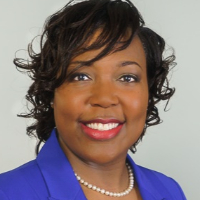
Florida · 10 yrs exp
Compassionate counselor for life transitions
Relationship · Family · Self esteem · Depression · +4 more
Read profile
Florida · 10 yrs exp
Therapist focused on practical change
Stress, Anxiety · Addictions · Family · Grief · +8 more
Read profile
Colorado · 11 yrs exp
Supportive counseling for identity and life change
Stress, Anxiety · LGBT · Trauma and abuse · Anger · +15 more
Read profile
Texas · 21 yrs exp
Practical, culturally aware therapy for life changes
Stress, Anxiety · Relationship · Trauma and abuse · Intimacy-related issues · +15 more
Read profile
Texas · 8 yrs exp
Calm, goal-focused counseling for practical change
Stress, Anxiety · Grief · Self esteem · Career · +11 more
Read profileAs you move into early adulthood you are likely managing a mix of identity questions, work or study transitions, and shifting relationships. When cultural identity, migration background or family expectations are part of your story, these common milestones can bring additional layers of complexity. You might be weighing how to honor family traditions while building independent values, or wondering how cultural assumptions shape your choices about career, relationships and community. You may also be coping with stress from discrimination, microaggressions or feeling misunderstood in social and professional spaces. Recognizing these pressures as real parts of your experience can help you clarify what to look for when you read therapist profiles and decide whom to contact.
Young adult issues often overlap with exploration of identity, and that overlap can influence what you want from care. Some people want practical strategies for managing anxiety or conflict, while others want a space to name intergenerational patterns or to process migration and acculturation experiences. There is no single path that fits everyone. When you read profiles on this page, notice how therapists describe their focus areas, approaches and languages so you can find profiles that align with the specific concerns that matter to you.
This directory groups profiles that list both young adult issues and multicultural concerns so you can explore practitioners who cite those topics. That listing does not imply a causal link or a particular kind of training. Instead, it signals that those topics appear among the therapist's stated areas of interest. You should read each profile with the understanding that approaches, credentials and experience vary. Some professionals will emphasize narrative exploration of identity, others will highlight skills for managing stress or relationship patterns, and others may foreground migration and acculturation as developmental themes.
When considering how culture shows up in your life, it helps to separate the challenge from assumptions about what therapy will look like. Cultural identity can be a point of resilience and also a source of conflict as you navigate new roles. Acculturation may affect family expectations, language use and social norms. Discrimination and exclusion can shape your mental and social health without being reducible to a clinical label. Use profiles to identify practitioners who explicitly mention the topics you want to work on and who describe approaches that sound like a fit for how you like to address challenges.
When you compare profiles, think in terms of concrete questions that help you assess fit. What kinds of approaches does the therapist list and do those approaches match how you prefer to work - for example, a focus on processing identity, practical skill-building for stress management, or exploration of family systems? Which languages does the practitioner list and would that language support the nuance of your cultural experience? What academic degrees are shown on the profile - PhD, PsyD, MD, MA, MSW - and does the profile also note the therapist's professional registration, licensing or membership relevant to their country? Remember that a degree is not the same as permission to practice and that US licensing terminology differs from UK registration or Australian registration and membership systems.
It is also reasonable to ask about a therapist's experience with migration and intergenerational issues, and to phrase this as a question when you contact them. You might ask, do you have experience working with clients navigating acculturation or family expectation conflicts? How do you approach experiences of discrimination or identity-based stress? Profiles may say that a practitioner lists multicultural concerns among their focuses, but that is not evidence of specialist certification. Asking direct questions can clarify whether a therapist's approach and background match what you need.
If you are considering remote sessions, there are practical topics to clear up before you begin. Ask about how they structure sessions and what communication channels they use for scheduling and follow-up, and whether those arrangements suit your daily life and time zone. Discussing how the therapist handles boundaries around messaging, cancellations and emergency contact can help you decide if their style fits your expectations. If language is important to you, confirm whether the therapist conducts sessions in the language listed on their profile and whether they can accommodate bilingual conversations when cultural nuance matters.
You may also want to describe a few key aspects of your situation up front so you both start with shared context. For example, explain if you are negotiating family expectations related to migration, if you are experiencing workplace bias, or if you are exploring gender, sexual or faith identity within a cultural framework. That information helps the practitioner explain how they might approach those themes and whether they can address them within their scope of practice. It is appropriate to ask how they support young adults specifically, and to clarify whether they work with individuals only, or also offer support that involves family dynamics if that is relevant to your needs.
When you look across profiles, compare how therapists describe their focus areas and the language they use to talk about culture. Some profiles emphasize identity development and narrative work, while others frame cultural concerns in terms of acculturation stress or family systems. Reading a few profiles side by side can help you notice patterns. Ask yourself, does this profile name the cultural themes that match my experience? Is the language straightforward about the therapist's approach or more theoretical? Do they list the languages you prefer and a listed location that matters for any regional considerations you have?
Pay attention to credentials and registration details, and to how those are presented for different countries. A profile may list an academic degree such as a PhD, PsyD, MD, MA or MSW and may also note a professional license, registration or membership relevant to practice in the US, UK or Australia. Use that information as a prompt for questions rather than as a guarantee. Finally, consider surface elements of style that affect fit - whether the profile tone feels pragmatic, reflective, directive or collaborative. Those cues can suggest how you might experience sessions. Combining this careful reading with the concrete questions suggested earlier will help you identify profiles that are worth contacting so you can discuss your needs and next steps directly with a practitioner.
Alabama
73 therapists
Alaska
11 therapists
Arizona
62 therapists
Arkansas
24 therapists
Australia
192 therapists
California
483 therapists
Colorado
101 therapists
Connecticut
40 therapists
Delaware
16 therapists
District of Columbia
20 therapists
Florida
595 therapists
Georgia
252 therapists
Hawaii
25 therapists
Idaho
24 therapists
Illinois
197 therapists
Indiana
61 therapists
Iowa
16 therapists
Kansas
27 therapists
Kentucky
54 therapists
Louisiana
110 therapists
Maine
14 therapists
Maryland
83 therapists
Massachusetts
59 therapists
Michigan
171 therapists
Minnesota
52 therapists
Mississippi
53 therapists
Missouri
112 therapists
Montana
23 therapists
Nebraska
23 therapists
Nevada
40 therapists
New Hampshire
13 therapists
New Jersey
126 therapists
New Mexico
18 therapists
New York
277 therapists
North Carolina
242 therapists
North Dakota
5 therapists
Ohio
104 therapists
Oklahoma
84 therapists
Oregon
48 therapists
Pennsylvania
131 therapists
Rhode Island
9 therapists
South Carolina
87 therapists
South Dakota
5 therapists
Tennessee
80 therapists
Texas
640 therapists
United Kingdom
1141 therapists
Utah
42 therapists
Vermont
4 therapists
Virginia
94 therapists
Washington
68 therapists
West Virginia
6 therapists
Wisconsin
67 therapists
Wyoming
9 therapists