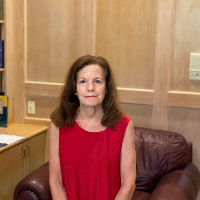
Ilene Liner
LMHCMassachusetts · 25 yrs exp
Client-centered counselor focusing on emotional balance
Stress, Anxiety · Relationship · Family · Self esteem · +14 more
Read profileTherapist listings are provided by BetterHelp. We will earn a commission at no additional cost to you if you use our links to purchase.
Browse profiles listed under the Massachusetts location to compare how clinicians describe work with cultural identity and multicultural concerns. Use listed focus areas, languages, academic degrees and professional registrations to narrow choices and open profiles that seem like a good match.
Massachusetts · 25 yrs exp
Client-centered counselor focusing on emotional balance
Stress, Anxiety · Relationship · Family · Self esteem · +14 more
Read profile
Massachusetts · 12 yrs exp
Compassionate, practical support for daily struggles
Stress, Anxiety · Anger · Self esteem · Depression · +3 more
Read profile
Massachusetts · 40 yrs exp
Experienced LICSW focused on multicultural concerns
Stress, Anxiety · Addictions · LGBT · Relationship · +15 more
Read profile
Massachusetts · 30 yrs exp
Compassionate clinician with family therapy focus
Addictions · Family · Trauma and abuse · Grief · +16 more
Read profile
Massachusetts · 10 yrs exp
Compassionate counseling with creative methods
Stress, Anxiety · LGBT · Relationship · Trauma and abuse · +10 more
Read profile
Massachusetts · 39 yrs exp
Experienced counselor offering steady practical support
Stress, Anxiety · Trauma and abuse · Grief · Bipolar · +4 more
Read profile
Massachusetts · 22 yrs exp
Experienced counselor focused on practical support
Stress, Anxiety · Addictions · Relationship · Family · +1 more
Read profile
Massachusetts · 12 yrs exp
Person-centered care for life transitions
Stress, Anxiety · LGBT · Family · Self esteem · +8 more
Read profile
Massachusetts · 20 yrs exp
Practical CBT-focused care for stress and trauma
Stress, Anxiety · Relationship · Parenting · Depression · +12 more
Read profile
Massachusetts · 23 yrs exp
Experienced counselor for relationship and identity concerns
Addictions · LGBT · Relationship · Intimacy-related issues · +12 more
Read profile
Massachusetts · 40 yrs exp
Experienced LICSW offering compassionate support
Stress, Anxiety · Family · Grief · Parenting · +16 more
Read profile
Massachusetts · 13 yrs exp
Practical, direct therapy for life changes
Stress, Anxiety · Relationship · Self esteem · Depression · +11 more
Read profile
Massachusetts · 12 yrs exp
Compassionate counselor focused on practical change
Stress, Anxiety · Relationship · Family · Parenting · +14 more
Read profile
Massachusetts · 22 yrs exp
Calm, collaborative LICSW focused on practical change
Stress, Anxiety · Self esteem · Bipolar · Depression · +10 more
Read profile
Massachusetts · 25 yrs exp
Effective, respectful therapy for everyday struggles
Stress, Anxiety · Trauma and abuse · Self esteem · Career · +5 more
Read profile
Massachusetts · 15 yrs exp
Compassionate, practical support for life transitions
Grief · Self esteem · Depression · Coping with life changes · +6 more
Read profile
Massachusetts · 20 yrs exp
Calm, practical therapy for real life
Stress, Anxiety · Relationship · Family · Grief · +11 more
Read profile
Massachusetts · 25 yrs exp
Compassionate, practical therapy for stressful times
Stress, Anxiety · Career · Depression · Coping with life changes · +9 more
Read profile
Massachusetts · 40 yrs exp
Experienced counselor guiding story and recovery
Stress, Anxiety · Addictions · Trauma and abuse · Self esteem · +8 more
Read profileWhen you search for help with cultural identity or multicultural concerns, you are likely looking for someone who will understand how background, migration, religion, language and family expectations shape daily life and wellbeing. Many people want support with acculturation - the changes and choices that come with movement between cultures - or with intergenerational tensions that arise when parents and children navigate different expectations. Discrimination, microaggressions, and the fatigue of explaining your experience can create a particular kind of stress that you may want to name and discuss. Feeling understood about those experiences is often as important as the particular techniques a clinician might use.
As you read profiles, pay attention to how clinicians describe the kinds of experiences they welcome: some emphasize migration and refugee experiences, others highlight work with multigenerational families or faith-related identity. Keep in mind that listing a focus area on a profile is a way for a clinician to communicate interest and experience, but it is not evidence of specialist certification, a particular therapy method, diagnostic services, treatment outcomes, or suitability for you. The profiles are a starting point to help you decide which clinicians you want to learn more about.
The directory groups profiles under the listed location Massachusetts so you can see clinicians who associate themselves with that area. A listed location does not guarantee an office at a particular address, ongoing in-person practice there, or that a clinician currently holds permission to practice where you live. You should open each profile and confirm directly whether the clinician can work with you in your state or country and whether they offer in-person meetings locally or remote sessions across state or national lines.
When you look at degrees and professional terms on profiles, remember that academic degrees and permission to practice are different things. Degrees such as PhD, PsyD, MD, MA and MSW describe education. In the United States clinicians commonly list a state license in addition to academic degrees; in the United Kingdom and Australia professionals may list registration or membership with national bodies. A degree alone does not establish current permission to practice. If a profile lists a professional registration or license, check the profile details for how the clinician describes that status and confirm directly when you contact them.
When you reach out to a clinician or review a profile, concrete questions will give you clearer comparisons than general impressions. You might ask how the clinician describes their approach to cultural identity - for example, whether they focus on narrative, systems, or strengths-based ways of working and how that shows up in sessions. Ask which populations they have worked with and what kinds of migration or acculturation concerns they have experience addressing. If you have a faith, language, or community tradition that matters in care, ask how they incorporate or respect that context in their work.
If a clinician lists specific approaches on their profile, you can ask about how they typically use those approaches and when they consider alternatives. For example, it is appropriate to say therapists who list EMDR among their approaches may use it in certain circumstances - ask how and when they use it rather than assuming every listed approach is central to their practice. You can also ask about consultation or supervision practices and what kinds of continuing education they pursue, keeping in mind that course attendance is not the same as certification in a specialty.
If you are considering remote sessions, there are practical and ethical questions to cover before you begin. Clarify the clinician's statement about working across locations and confirm permission to work with you where you live. Discuss time zone differences, how appointments will be scheduled, and how technical issues will be handled if a session is interrupted. Ask about the clinician's approach to privacy practices and record-keeping so you understand how your information is managed, and ask what steps they recommend in an emergency - specifically whether they will coordinate with local supports if you are not in the same area.
Language needs are important in remote work. If you prefer to speak in a language other than English, check whether the clinician lists that language or whether they can arrange an interpreter. Ask how they handle sessions when interpretation is used, and whether they have experience working with interpreters in culturally complex situations. Finally, discuss communication norms such as how they handle messages between sessions and what you can expect when you need to change or cancel an appointment.
Profiles offer several dimensions you can use to compare clinicians. Focus areas indicate the concerns a clinician lists among their work interests, such as cultural identity, migration and acculturation, family expectations, or discrimination-related stress. Languages listed on a profile show what the clinician reports speaking in a therapeutic context; bilingual clinicians can sometimes offer sessions in a different language, which can be important for nuance. Academic degrees tell you about training background, while professional registrations or licenses indicate permission frameworks that vary by country. Look for clear statements on profiles about who a clinician works with - for example, age groups or life stages - and remember that a listed topic does not establish that the clinician treats children, couples, or families unless they explicitly say so.
Style and interpersonal fit are often decisive. Some clinicians describe a collaborative and exploratory style, while others describe a more directive or skills-oriented approach. Read profile language to get a sense of tone and, when possible, arrange a brief conversation to gauge rapport. Useful comparison questions include asking how a clinician typically begins work with new clients, how they measure progress, and what boundaries they set in sessions. These concrete questions help you move from impression to a clearer assessment of who might be a good match for the particular cultural and identity concerns you want to address.
As you explore Massachusetts profiles on this site, use the profile details to narrow your choices and then contact clinicians to verify permissions and discuss fit. Direct conversation with a clinician is the best way to learn how they approach cultural identity and multicultural concerns in practice and to decide whether to move forward with their services.
Attachment Issues
3898 therapists
Blended Family Issues
3343 therapists
Career
3685 therapists
Communication Problems
5114 therapists
Coping with Life Changes
5065 therapists
Family
4525 therapists
Family of Origin Issues
3322 therapists
Life Purpose
4954 therapists
Parenting
3768 therapists
Relationship
5165 therapists
Workplace Issues
4189 therapists