
Mark Arena
LPCAlaska · 5 yrs exp
Therapist focused on practical growth
Stress, Anxiety · Relationship · Family · Depression · +1 more
Read profileTherapist listings are provided by BetterHelp. We will earn a commission at no additional cost to you if you use our links to purchase.
Browse profiles of therapists listed for Alaska to compare their focus areas, approaches, languages and credentials. Use the listings to help narrow your search, and check each individual profile to confirm permission to work with you where you live.
Alaska · 5 yrs exp
Therapist focused on practical growth
Stress, Anxiety · Relationship · Family · Depression · +1 more
Read profile
Alaska · 22 yrs exp
Calm, strength-focused LCSW in Alaska
Stress, Anxiety · LGBT · Grief · Coping with life changes · +9 more
Read profile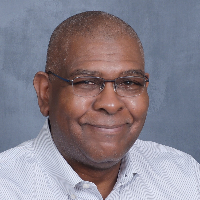
Alaska · 30 yrs exp
Practical, experienced counseling for life challenges
Stress, Anxiety · Addictions · Relationship · Family · +10 more
Read profile
Alaska · 11 yrs exp
Compassionate practical help for life’s challenges
Stress, Anxiety · Addictions · Relationship · Trauma and abuse · +7 more
Read profile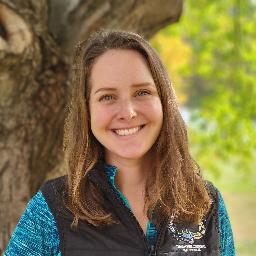
Alaska · 4 yrs exp
Compassionate Alaska LCSW supporting trauma recovery
Stress, Anxiety · Trauma and abuse · Self esteem · Depression · +10 more
Read profile
Alaska · 20 yrs exp
Calm guidance for stress and relationships
Stress, Anxiety · Relationship · Trauma and abuse · Parenting · +1 more
Read profile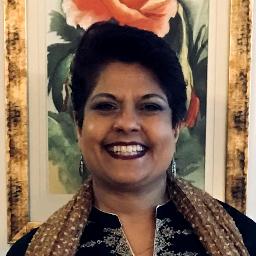
Alaska · 20 yrs exp
Calm guidance through life’s difficult transitions
Stress, Anxiety · Addictions · Relationship · Family · +11 more
Read profile
Alaska · 35 yrs exp
Compassionate, experience-based therapy
Stress, Anxiety · Addictions · Trauma and abuse · Self esteem · +9 more
Read profile
Alaska · 10 yrs exp
Practical counseling for stress and relationships
Stress, Anxiety · Relationship · Trauma and abuse · Depression · +8 more
Read profile
Alaska · 9 yrs exp
Practical, culturally aware support for life changes
Stress, Anxiety · Relationship · Family · Trauma and abuse · +14 more
Read profile
Alaska · 20 yrs exp
Experienced counselor for diverse life challenges
Stress, Anxiety · Grief · Depression · Coping with life changes · +1 more
Read profileIf you are looking for help with cultural identity or challenges tied to migration, acculturation and belonging, you are not alone in wanting a therapist who understands how culture shapes daily life. In Alaska people come from many different backgrounds - Indigenous communities with deep ties to place, families who have moved for work or education, and multigenerational households navigating changing expectations. These realities often influence how you experience stress, relationship roles and the messages you pass across generations. You may be dealing with pressure to meet family expectations, the strain of adapting to a new cultural environment, or the emotional toll of discrimination and microaggressions. Feeling understood by a therapist can make it easier to name these dynamics and explore how they affect your sense of self.
When you read profile language about cultural identity or multicultural concerns, remember that these phrases describe areas a professional lists as part of their focus. That is not evidence of a specific certification, or of shared background between you and the clinician. What matters most is whether a clinician’s experience, approach and ways of working align with what you need. Pay attention to how they describe their work with migration, intergenerational issues, faith and identity, and approaches to responding to discrimination-related stress. These descriptions can help you decide which profiles to explore further.
The directory groups profiles by a listed location in Alaska, which helps you compare clinicians who indicate a connection to the state. A listed location does not guarantee a physical office address in that place, nor does it assure that a clinician can legally provide services to every resident. You should check the individual profile and confirm permission to work together where you live before beginning any ongoing conversations. This step is especially important if you plan to meet across state or national lines.
Professional qualifications show up on profiles in two different ways: academic degrees and permission to practice. Academic degrees such as PhD, PsyD, MD, MA or MSW indicate the level and field of study a clinician has completed. These do not, by themselves, establish current legal permission to practice. In the United States look for state licensure titles when that information is provided, because licensure indicates an authorization framework tied to a state. In the United Kingdom and Australia clinicians may be registered with national boards or hold membership in recognized professional bodies; those terms mean something different from US state licensure and should be checked on the profile. Always differentiate between a degree and a license or registration when comparing profiles, and confirm the clinician’s current permission to work with you in your location.
When you contact a clinician or read a profile, asking concrete questions will give you a clearer sense of how they work and whether that style will fit your needs. You can ask whether they have experience working with people who share your migration history or who face similar acculturation stress, and whether they have worked with intergenerational family expectations like caregiving responsibilities or differences in cultural values. Ask how they describe their approach to addressing discrimination-related distress and what kinds of supports they typically draw on when someone reports feeling misunderstood because of race, religion, language or national origin.
It is also useful to ask how a clinician typically incorporates cultural identity into therapy sessions. You might ask whether they invite family members into conversations when that feels relevant, and how they handle situations where cultural expectations and personal goals conflict. If a profile lists specific modalities or approaches, keep the wording neutral by asking how a clinician adapts those approaches to cultural context. For example, you can ask how therapists who list EMDR among their approaches integrate it with conversations about identity, or how they combine relational work with practical strategies for coping with stress from discrimination. These concrete questions help you evaluate how a clinician translates listed interests into actual practice.
If you are considering remote work with a clinician who is listed in Alaska but you live elsewhere in the state or in another country, there are practical topics to cover before you begin. Confirming a clinician’s permission to work with clients in your place of residence is essential. You should ask where the clinician is authorized to provide services, how they handle informed consent and record-keeping, and what options exist if you need a referral to someone who is permitted to practice where you live. These are administrative but important conversations to have up front so you know how a clinician will navigate boundary and jurisdiction requirements.
It is also useful to talk about session format and communication style. Ask how a clinician manages emergencies or acute stress when working at a distance, and what local resources they recommend if you need immediate support. Discuss language preferences for sessions and how they manage sessions that involve interpreters or family members. If you have concerns tied to cultural community networks, ask how they have worked with community resources in the past. These topics do not replace clinical judgment, but they ensure you and the clinician share expectations about practicalities before deeper work begins.
Comparing clinician profiles is a process of matching the details of your needs with what each profile communicates. Start by looking for clear mentions of the concerns that matter to you - cultural identity, migration and acculturation, intergenerational expectations, or stress from discrimination. Next, scan for language offerings and whether a clinician notes the languages they use in sessions. Language alignment can be more than convenience - it can affect how you express identity-related feelings. Remember that a clinician’s listing of a language does not guarantee they speak it fluently at a clinical level, so consider asking specific questions about language use in session.
Then consider the combination of degrees and permissions shown on a profile. A clinician with an MSW who is licensed in a U.S. state will have a different credential set than a clinician with a PhD who maintains membership in a U.K. or Australian professional body. Compare how they describe their therapeutic style - whether they emphasize exploratory conversation about identity, practical strategies for managing acculturation stress, or support for negotiating family expectations. Also look at how they describe working with discrimination-related concerns; some clinicians highlight cultural humility and listening first, while others emphasize advocacy and practical coping skills. Use these distinctions to choose a few profiles to contact, and remember to check the individual profile and confirm permission to work together where you live before beginning services.
Finally, keep in mind that a listed focus area does not establish that a clinician treats children, couples or families. If your needs involve other people, raise that question directly. The profiles are meant to help you make an informed choice about who to explore further. By asking clear, concrete questions about experience, jurisdictional permission, communication style and how cultural topics are woven into care, you will be better positioned to find a clinician whose profile aligns with what matters most to you in your Alaska-based search.
Attachment Issues
3898 therapists
Blended Family Issues
3343 therapists
Career
3685 therapists
Communication Problems
5114 therapists
Coping with Life Changes
5065 therapists
Family
4525 therapists
Family of Origin Issues
3322 therapists
Life Purpose
4954 therapists
Parenting
3768 therapists
Relationship
5165 therapists
Workplace Issues
4189 therapists