Nada Cox
LCSWArizona · 40 yrs exp
Experienced LCSW focused on practical support
Stress, Anxiety · LGBT · Relationship · Grief · +10 more
Read profileTherapist listings are provided by BetterHelp. We will earn a commission at no additional cost to you if you use our links to purchase.
This page groups therapist profiles with a listed location in Arizona who list cultural identity and multicultural concerns among their focus areas. Compare focus areas, languages, credentials, approaches and experience, then browse profiles and confirm on each profile whether the therapist has permission to work with you where you live.
Arizona · 40 yrs exp
Experienced LCSW focused on practical support
Stress, Anxiety · LGBT · Relationship · Grief · +10 more
Read profile
Arizona · 10 yrs exp
Practical, compassionate support for life transitions
Stress, Anxiety · Self esteem · Bipolar · Depression · +10 more
Read profile
Arizona · 25 yrs exp
Hopeful practical therapy for life changes
Stress, Anxiety · Addictions · Relationship · Trauma and abuse · +11 more
Read profile
Arizona · 40 yrs exp
Helping steady change with listening and practical steps
Addictions · Trauma and abuse · Self esteem · Career · +15 more
Read profile
Arizona · 26 yrs exp
Compassionate therapist for life transitions
Addictions · Relationship · Trauma and abuse · Grief · +11 more
Read profile
Arizona · 10 yrs exp
Bilingual counselor focused on practical change
Stress, Anxiety · Addictions · Grief · Self esteem · +1 more
Read profile
Arizona · 18 yrs exp
Supportive Arizona counselor for life changes
Stress, Anxiety · Relationship · Trauma and abuse · Grief · +1 more
Read profile
Arizona · 17 yrs exp
Compassionate psychologist with military experience
Stress, Anxiety · Relationship · Trauma and abuse · Anger · +1 more
Read profile
Arizona · 30 yrs exp
Compassionate counseling focused on practical change
Stress, Anxiety · Addictions · Family · Grief · +12 more
Read profile
Arizona · 18 yrs exp
LGBTQ+ affirming therapist focusing on relationships
LGBT · Relationship · Family · Trauma and abuse · +1 more
Read profile
Arizona · 28 yrs exp
Hopeful, practical therapy with a relaxed approach
Stress, Anxiety · Relationship · Grief · Self esteem · +13 more
Read profile
Arizona · 7 yrs exp
Supportive counselor using practical approaches
Stress, Anxiety · Grief · Bipolar · Depression · +12 more
Read profile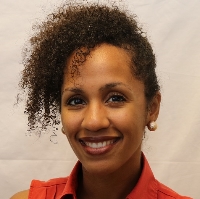
Arizona · 17 yrs exp
Practical, evidence-based care with cultural awareness
Stress, Anxiety · Relationship · Family · Anger · +14 more
Read profile
Arizona · 23 yrs exp
Compassionate, practical therapy for life transitions
Stress, Anxiety · Self esteem · Depression · Coping with life changes · +16 more
Read profile
Arizona · 21 yrs exp
Therapist blending practical tools with gentle support
Stress, Anxiety · Relationship · Trauma and abuse · Grief · +13 more
Read profile
Arizona · 13 yrs exp
Dedicated counselor for relationship and life changes
Stress, Anxiety · Relationship · Family · Coping with life changes
Read profile
Arizona · 22 yrs exp
Experienced counselor for life transitions
Stress, Anxiety · Relationship · Family · Grief · +16 more
Read profile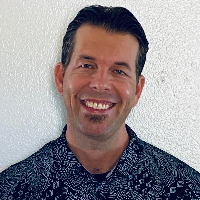
Arizona · 10 yrs exp
Licensed counselor focused on practical change
Stress, Anxiety · Relationship · Anger · Depression · +15 more
Read profile
Arizona · 18 yrs exp
Compassionate, practical counseling for life changes
LGBT · Family · Trauma and abuse · Grief · +13 more
Read profile
Arizona · 21 yrs exp
Compassionate, practical therapy focused on diverse experiences
Stress, Anxiety · Addictions · Relationship · Family · +10 more
Read profile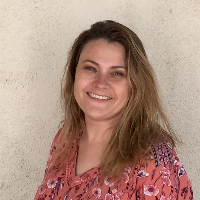
Arizona · 6 yrs exp
Practical counseling for overwhelming life changes
Stress, Anxiety · Relationship · Grief · Coping with life changes · +11 more
Read profile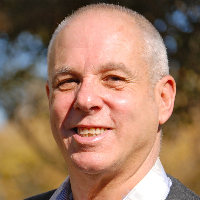
Arizona · 25 yrs exp
LPC counselor who focuses on empowerment
Stress, Anxiety · Addictions · LGBT · Relationship · +12 more
Read profile
Arizona · 30 yrs exp
Compassionate therapist focused on relationships and recovery
Addictions · Relationship · Family · Trauma and abuse · +2 more
Read profile
Arizona · 25 yrs exp
Practical support for stress and trauma
Stress, Anxiety · Trauma and abuse · Grief · Bipolar · +14 more
Read profileWhen cultural identity is an important part of what you want to explore in therapy, your concerns may include questions about belonging, migration and acculturation, intergenerational expectations, and the emotional toll of discrimination. You might be negotiating different cultural norms within your family, trying to translate values between generations, or managing stress from experiences of bias and exclusion. These are complex, layered topics that affect relationships, work, and how you see yourself. It helps to think about what feels most urgent to you - whether it is learning to set boundaries with relatives, addressing loss connected to migration, or finding ways to process repeated microaggressions - because that clarity will shape the kinds of experience and approaches you want a therapist to have.
Many therapists in this directory list multicultural concerns among their focus areas. That listing signals that they note these topics as part of their practice, but it does not guarantee a particular approach or outcome. As you read profiles, watch for language that resonates with your background and priorities. Look for mentions of work with migration, acculturation challenges, intergenerational conflict, and coping with discrimination stress so you can decide which profiles merit a deeper look.
A listed location on a profile groups practitioners by the state assigned in their profile information. A listed location does not by itself prove that a therapist maintains an office in Arizona, that they practice physically in that state, or that they are currently permitted to work with residents of Arizona. You should check each individual profile and follow up directly with the clinician to confirm whether they can legally work with you in your jurisdiction.
Academic degrees such as PhD, PsyD, MD, MA, and MSW indicate completed training and study, but degrees are distinct from professional permission to practice. In the United States, the term often used for practice authority is license. In the United Kingdom and Australia the relevant terms are registration or membership with a professional body. A profile may list degrees, registrations, or licenses. Read those entries as different kinds of credentials and ask the clinician to clarify what they mean for work where you live. If it matters to you, request the name of the licensing board, registration body, or membership organization and confirm status directly with that authority when needed.
When you contact a therapist, prepare specific questions that help you compare how they work with cultural topics. Ask about their experience with migration and acculturation in populations similar to yours, and request examples of the issues they typically help people address. You can ask whether they have helped people navigate intergenerational conflicts rooted in differing cultural expectations and how they frame those conversations in therapy. If discrimination stress is a priority for you, inquire how they address experiences of bias, whether they name structural factors that affect mental health, and how they support coping after painful encounters.
Ask how they describe their therapeutic approach and use language that keeps the door open for conversation - for example, ask about therapists who list EMDR among their approaches rather than assuming any specific training. Request a sense of their typical session structure and how they tailor methods to cultural context. Concrete comparison questions include - How do you adapt your work when someone's culture places different values on emotion expression? What languages do you offer sessions in? How do you involve family members when intergenerational expectations are central? These questions give you a practical basis for comparing profiles and determining which clinicians warrant a deeper conversation.
If you are considering remote appointments, clarify jurisdictional boundaries early. Licensing rules vary by country and by state, so ask whether the therapist is permitted to provide care to residents of Arizona or to your specific location. For practitioners in the UK and Australia, ask how their registration or membership interacts with cross-border practice and what that means for you. It is appropriate to request a brief explanation of how they handle emergencies or urgent needs when you are not in the same legal territory, and to discuss what local resources they recommend if additional support is necessary.
Also address practical matters up front - the platforms and communication tools they use, session length and typical format, and how they handle notes and records. You may want to ask how they create a comfortable environment for cultural disclosure and what they do if aspects of your identity are unfamiliar to them. Discussing these topics before starting helps you assess whether the working relationship will match your needs and gives both of you a clearer foundation for respectful, effective collaboration.
When you review multiple profiles, compare them on several concrete dimensions. Start with focus areas and experience - look for specific mentions of work with migration-related loss, acculturation stress, intergenerational family patterns, or discrimination-related trauma. Note whether those topics are described in ways that fit your concerns. Next, pay attention to language offerings. If conducting therapy in your first language matters to you, identify practitioners who list that language and ask whether they use it in clinical conversations or primarily for administrative communication.
Examine credentials with an eye for distinction between degrees and permission to practice. A profile that lists a PhD, PsyD, MD, MA, or MSW shows academic training, while licenses, registrations, or memberships indicate the professional framework for practice in a given country. Finally assess style and approach. Some profiles describe a more directive, skills-focused stance while others emphasize exploratory, narrative, or relational processes. Think about how you prefer to be engaged - do you want practical tools to manage stress, or do you want space to explore identity and meaning over time? Use the comparison questions you developed earlier to reach out and see how a therapist explains their work in conversation. That interaction often reveals the most about whether you will feel understood and supported as you address cultural identity and multicultural concerns in Arizona or across borders.
Attachment Issues
3898 therapists
Blended Family Issues
3343 therapists
Career
3685 therapists
Communication Problems
5114 therapists
Coping with Life Changes
5065 therapists
Family
4525 therapists
Family of Origin Issues
3322 therapists
Life Purpose
4954 therapists
Parenting
3768 therapists
Relationship
5165 therapists
Workplace Issues
4189 therapists