
Sarah Baumgardner
LPCWest Virginia · 13 yrs exp
Compassionate, practical therapy for complex challenges
Addictions · LGBT · Trauma and abuse · Coping with life changes · +1 more
Read profileTherapist listings are provided by BetterHelp. We will earn a commission at no additional cost to you if you use our links to purchase.
This West Virginia directory groups profiles of clinicians who list cultural identity and multicultural concerns among their focus areas. Use the listings to compare focus areas, approaches, languages and credentials to help you decide which profiles to explore in more detail.
Click through profiles to read each clinician's description and confirm whether they are able to work with you where you live before contacting them.
West Virginia · 13 yrs exp
Compassionate, practical therapy for complex challenges
Addictions · LGBT · Trauma and abuse · Coping with life changes · +1 more
Read profile
West Virginia · 11 yrs exp
Practical support for stress, trauma, and life changes
Stress, Anxiety · Addictions · Trauma and abuse · Depression · +7 more
Read profile
West Virginia · 10 yrs exp
Therapist focused on practical coping skills
Stress, Anxiety · Family · Self esteem · Depression · +12 more
Read profile
West Virginia · 7 yrs exp
Careful, practical psychological support
Stress, Anxiety · Sleeping · Depression · Relationship · +10 more
Read profile
West Virginia · 4 yrs exp
Supportive, strength-focused counseling
Stress, Anxiety · Relationship · Trauma and abuse · Self esteem · +8 more
Read profile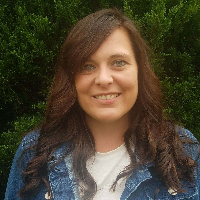
West Virginia · 15 yrs exp
Supportive counselor for life transitions
Stress, Anxiety · Addictions · LGBT · Trauma and abuse · +11 more
Read profileIf cultural identity, migration or acculturation are part of your story, it can be helpful to think about what feels most important to you before you begin reviewing profiles. You may be seeking someone who understands cross-cultural stressors such as navigating a new language, balancing cultural values from different generations or the emotional effects of discrimination and microaggressions. You might want support with intergenerational expectations where family roles and obligations differ from mainstream norms, or you may be looking for a clinician who can help you process grief, loss or identity shifts tied to moving between places or cultures.
When you read a profile, look for language that describes the clinician's experience with migration, acculturation or family dynamics rather than assuming shared background. Profiles that mention multicultural concerns indicate that the clinician has chosen to list this area among their focuses, but that listing is not proof of a particular certification or of personal identity. As you compare profiles, consider which cultural topics matter most to you and whether a clinician's stated focus and descriptors feel likely to support the conversations you want to have.
The listed location on a profile groups clinicians by the state or region where they say they work, but a listed location is not evidence of an office, physical proximity to you, or an active permission to practice in that place. It is important to open individual profiles and confirm details. In the United States, clinicians typically practice under state-specific licenses such as those for clinical social workers, professional counselors, marriage and family therapists, or psychologists. In the United Kingdom and Australia, professionals often hold registration or membership with national or regional professional bodies; those registrations and memberships differ from US-style licensure. Academic degrees such as PhD, PsyD, MD, MA or MSW describe educational attainment and are not the same as a current authorization to practice.
When you review a profile, read the credentials carefully and note whether a clinician lists a license, registration or membership and the jurisdiction to which it applies. If permission to provide care in your location is a priority, ask the clinician directly whether they are authorized to work with you where you live. That confirmation is the most reliable way to know whether the clinician can legally provide care across state or national lines.
Preparing focused questions before you reach out will help you compare clinicians in a concrete way. You might ask how a clinician describes their work style and what they mean by terms such as collaborative, directive, trauma-informed or culturally responsive. You can ask about specific areas you want to address, using direct questions like "What experience do you have working with people who have migrated or who are balancing multiple cultural identities?" or "How have you worked with intergenerational family expectations in the past?" These questions encourage precise answers rather than general statements.
It is also reasonable to ask clinicians which approaches they tend to use and how those approaches shape sessions. For example, some profiles list approaches such as narrative work, somatic approaches, or exposure-based strategies; you can ask how those tools are integrated into therapy and whether the clinician tends to adapt them to cultural context. If a profile notes that a therapist lists EMDR among their approaches, you can ask what role that approach plays in their practice and how they ensure it fits your cultural needs. Always avoid assuming that a listed approach indicates formal certification - instead ask about experience, supervision or ongoing learning related to that approach.
If you are considering remote sessions, there are several practical and clinical topics to discuss ahead of time. First, confirm that the clinician is permitted to provide services to residents of your state or country. Regulations vary and permission to provide care often depends on both the clinician's credentials and your location. Next, talk about language needs and preferences. If you want sessions in a language other than English, ask which languages the clinician offers and whether an interpreter would be required for your work together.
Discuss how the clinician handles privacy in their process and what to expect about notes, record keeping and session boundaries. You should also ask about emergency planning in your local area - who to contact and what steps to take if you need urgent support between sessions - since clinicians may have different procedures depending on jurisdiction. Finally, agree on practicalities such as session length, how to share documents or resources, and how to handle technical interruptions so you can focus on the work when you meet.
When you compare profiles, slow down and read each description as a narrative rather than a checklist. Look for concrete indicators that match your priorities. Does the profile explicitly mention cultural identity, intergenerational issues, migration or discrimination stress? Which languages are listed, and is language listed as a primary medium for clinical work or as an additional conversational skill? Consider how the clinician describes their therapeutic style - do they emphasize exploration, practical problem solving, somatic awareness, creative expression or another orientation - and think about whether that style feels compatible with the way you like to work.
Pay attention to how clinicians present their credentials. A profile may list an academic degree such as an MA, MSW, PhD or PsyD alongside a license or a registration; note which jurisdictions are referenced and whether the profile explains permission to practice across state or national lines. If a profile names professional memberships or registrations common in the UK or Australia, that information is useful, but it is distinct from US state licensure. Finally, use comparison questions such as "Which clinician describes experience with migration-related stress similar to mine?" "Who lists languages I would prefer to speak in sessions?" and "Which profiles describe a therapeutic style that matches how you want to be supported?" These concrete comparisons will help you narrow choices to a few profiles to contact, and then you can confirm details such as scope of practice and permission to work together where you live before scheduling an initial conversation.
Attachment Issues
3898 therapists
Blended Family Issues
3343 therapists
Career
3685 therapists
Communication Problems
5114 therapists
Coping with Life Changes
5065 therapists
Family
4525 therapists
Family of Origin Issues
3322 therapists
Life Purpose
4954 therapists
Parenting
3768 therapists
Relationship
5165 therapists
Workplace Issues
4189 therapists