
Prof. Craig Hutton
LCSWNew Mexico · 4 yrs exp
Therapist focused on practical, respectful care
Stress, Anxiety · Relationship · Trauma and abuse · Intimacy-related issues · +11 more
Read profileTherapist listings are provided by BetterHelp. We will earn a commission at no additional cost to you if you use our links to purchase.
Compare profiles listed under the New Mexico location to find professionals who list cultural identity and multicultural concerns among their focus areas. Browse profiles to review approaches, languages, academic degrees and professional registrations before reaching out.
New Mexico · 4 yrs exp
Therapist focused on practical, respectful care
Stress, Anxiety · Relationship · Trauma and abuse · Intimacy-related issues · +11 more
Read profile
New Mexico · 35 yrs exp
Grounded, experienced counselor focused on life changes
Addictions · Relationship · Parenting · Self esteem · +12 more
Read profile
New Mexico · 21 yrs exp
Experienced LPCC focused on practical support
Stress, Anxiety · LGBT · Relationship · Anger · +1 more
Read profile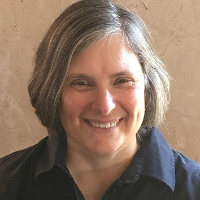
New Mexico · 10 yrs exp
Compassionate, practical support for life changes
Stress, Anxiety · Trauma and abuse · Depression · Coping with life changes · +10 more
Read profile
New Mexico · 10 yrs exp
Relationship-focused LCSW offering bilingual care
Family · Parenting · Depression · Coping with life changes · +11 more
Read profile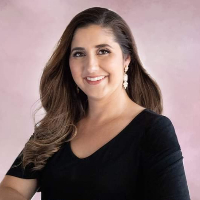
New Mexico · 10 yrs exp
Compassionate, attachment-focused family therapist
Stress, Anxiety · Family · Grief · Depression · +12 more
Read profile
New Mexico · 10 yrs exp
Helping adults untangle past hurts and patterns
Stress, Anxiety · Relationship · Family · Trauma and abuse · +14 more
Read profile
New Mexico · 9 yrs exp
Compassionate, multicultural social worker
Stress, Anxiety · Trauma and abuse · Self esteem · Depression · +9 more
Read profile
New Mexico · 18 yrs exp
Calm guidance for stress, trauma, and relationships
Stress, Anxiety · Addictions · Relationship · Family · +1 more
Read profile
New Mexico · 8 yrs exp
Narrative-informed psychologist focusing on cultural context
Trauma and abuse · Grief · Self esteem · Stress, Anxiety · +10 more
Read profile
New Mexico · 16 yrs exp
Compassionate clinical social worker focusing on trauma recovery
Stress, Anxiety · Addictions · Trauma and abuse · Bipolar · +13 more
Read profile
New Mexico · 25 yrs exp
Compassionate LCSW helping people find balance and strength
Stress, Anxiety · Relationship · Trauma and abuse · Self esteem · +1 more
Read profile
New Mexico · 24 yrs exp
Compassionate clinical counselor focused on practical support
Stress, Anxiety · LGBT · Trauma and abuse · Sleeping · +6 more
Read profile
New Mexico · 7 yrs exp
Supportive New Mexico LCSW for life transitions
Stress, Anxiety · Parenting · Coping with life changes · Compassion fatigue · +10 more
Read profile
New Mexico · 20 yrs exp
Compassionate, practical support for life changes
Stress, Anxiety · Grief · Eating · Depression · +11 more
Read profile
New Mexico · 7 yrs exp
Practical, evidence-based support for life challenges
Stress, Anxiety · Trauma and abuse · Career · Depression · +11 more
Read profile
New Mexico · 9 yrs exp
Compassionate social worker for life transitions
Stress, Anxiety · Relationship · Grief · Self esteem · +1 more
Read profile
New Mexico · 10 yrs exp
Helpful, practical support for everyday struggles
Stress, Anxiety · Relationship · Family · Anger · +1 more
Read profileNew Mexico has a long history of cultural diversity, migration and overlapping traditions, and those realities shape the kinds of questions people bring to therapy. You might be exploring how migration and acculturation affect your sense of belonging, negotiating intergenerational expectations within a family that spans different cultural norms, or coping with stress from discrimination and not feeling understood. These concerns are personal and can touch on language, faith, customs, or values in ways that influence daily life, work and relationships.
When you look for help, you are not only seeking techniques for stress or mood but also someone who acknowledges the cultural context that frames your experience. Some practitioners list cultural identity or multicultural concerns as areas they work with; that listing describes self-reported focus areas rather than guarantees of shared background, specific cultural expertise or particular registration. As you read profiles, notice how therapists describe their approach to cultural identity - whether they emphasize exploration of family history, adaptation during migration, or addressing discrimination stress - and think about how that emphasis matches what you want to discuss.
The directory groups profiles under the listed location New Mexico, but that grouping does not by itself confirm an office, a current practice address or ongoing permission to work in that place. You should check the individual profile and confirm permission to work together where they live before making any commitments. Academic degrees such as PhD, PsyD, MD, MA or MSW describe educational attainment and do not on their own indicate current professional registration or authorization to provide mental health services.
In the United States, people commonly hold state-granted licenses with titles like licensed professional counselor, licensed clinical social worker, licensed marriage and family therapist or psychologist. In the United Kingdom and Australia, professionals may list registration or membership with local regulatory or professional bodies, which is a different system. Profiles may include both academic degrees and information about registration or licensing status, and you should treat these as separate pieces of information to confirm. When you contact someone, asking directly about their permission to work with you where you live and what form of professional oversight they have is a clear way to understand whether their profile matches your legal and practical needs.
When you review a profile, think about the questions you want to ask so you can evaluate whether a therapist’s approach fits your needs. You might ask how they tend to work with issues of cultural identity - for example, whether they focus on narrative exploration of family and migration history or on coping skills for discrimination-related stress. If you have a specific concern like intergenerational conflict, ask how they typically structure conversations about expectations that differ across generations.
It is appropriate to ask about the range of approaches they list. For example, you can say: "I see you list EMDR among your approaches - can you describe how you use that approach and in what situations you might recommend it?" or "You list mindfulness and cognitive approaches - how do you decide which to use with a client?" Framing questions this way helps you get concrete examples rather than general statements. Also ask about experience working with clients who share your language preferences or migration background, while remembering that a therapist listing a focus area is not the same as claiming a shared identity.
If you plan to connect remotely, there are practical and regulatory details to cover before beginning. Confirm whether the professional has authorization to provide care to someone in the state or country where you live, and ask how they handle emergencies or urgent situations when you are in a different location. Discuss the primary language you prefer to use in sessions and whether the practitioner can work in that language or will use an interpreter. Clarify the technical setup - what platform they use, what to expect for session links, and whether they provide guidance on managing interruptions or internet disruptions.
It also helps to talk about practical boundaries around session length, cancellation policies and methods of contact for scheduling or brief questions. These are operational matters that help you decide if a particular profile is a good fit. Because rules differ by jurisdiction, asking about registration or licensing systems relevant to where you live is reasonable. Always remember to check the individual profile and confirm permission to work together where they live so you and the therapist are aligned on legal and safety considerations before you begin.
Comparing profiles is about matching specific details to the needs you bring. Start by reading how each professional describes focus areas such as cultural identity, migration and acculturation, or intergenerational and family expectations. Note whether they mention particular populations or settings and how they frame work on discrimination-related stress and the experience of feeling misunderstood. Look for language information if speaking in your preferred language is important for you, and notice whether multiple languages are listed.
Pay attention to how practitioners describe their therapeutic style. Some profiles emphasize collaborative exploration and meaning-making, while others focus on skill-building or symptom management; a profile that lists certain modalities is an invitation to ask how those approaches are used rather than proof of specific qualifications. When comparing credentials, separate degrees from licenses or registrations. You can ask a concrete question like: "Can you describe the professional registration that authorizes you to practise in New Mexico or elsewhere, and how that relates to your training and experience?" Finally, consider the tone of each profile: does the way a therapist write about culture and identity resonate with you, and does their description make it clear how they handle topics that matter most to you? That combination of focus areas, language ability, credentials and style will help you decide which profiles to contact for a preliminary conversation.
Attachment Issues
3898 therapists
Blended Family Issues
3343 therapists
Career
3685 therapists
Communication Problems
5114 therapists
Coping with Life Changes
5065 therapists
Family
4525 therapists
Family of Origin Issues
3322 therapists
Life Purpose
4954 therapists
Parenting
3768 therapists
Relationship
5165 therapists
Workplace Issues
4189 therapists