
Shayna Schaefer
LCSWDelaware · 28 yrs exp
Experienced LCSW guiding practical life changes
Stress, Anxiety · Family · Self esteem · Depression · +11 more
Read profileTherapist listings are provided by BetterHelp. We will earn a commission at no additional cost to you if you use our links to purchase.
Use these Delaware listings to compare therapist profiles by focus areas, therapeutic approaches, languages and academic credentials. Open individual profiles to learn more about a practitioner and see whether their background fits what you are looking for.
Delaware · 28 yrs exp
Experienced LCSW guiding practical life changes
Stress, Anxiety · Family · Self esteem · Depression · +11 more
Read profile
Delaware · 6 yrs exp
Compassionate therapist focused on relationships and coping
Stress, Anxiety · Relationship · Intimacy-related issues · Self esteem · +10 more
Read profile
Delaware · 9 yrs exp
Collaborative, practical support for relationship and life changes
Relationship · Intimacy-related issues · Anger · Depression · +10 more
Read profile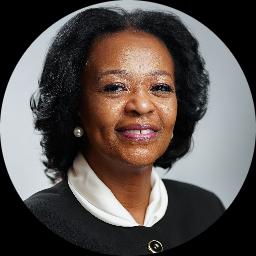
Delaware · 7 yrs exp
Therapist focused on practical growth
Stress, Anxiety · Addictions · Career · Depression · +9 more
Read profile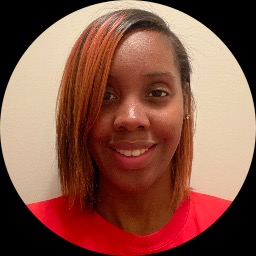
Delaware · 5 yrs exp
Practical, culturally aware counseling for many challenges
Stress, Anxiety · Relationship · Trauma and abuse · Self esteem · +8 more
Read profile
Delaware · 16 yrs exp
Calm, practical support for everyday challenges
Stress, Anxiety · Addictions · Trauma and abuse · Depression · +11 more
Read profile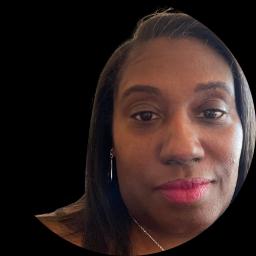
Delaware · 3 yrs exp
Calm, practical support for everyday struggles
Stress, Anxiety · Relationship · Trauma and abuse · Self esteem · +1 more
Read profile
Delaware · 40 yrs exp
Compassionate, experienced therapist focused on practical change
Stress, Anxiety · Addictions · Depression · Coping with life changes · +1 more
Read profile
Delaware · 15 yrs exp
Restorative, practical care for family and identity
Family · Trauma and abuse · Parenting · Anger · +1 more
Read profile
Delaware · 3 yrs exp
Compassionate counselor for everyday challenges
Stress, Anxiety · Trauma and abuse · Self esteem · Depression · +1 more
Read profile
Delaware · 6 yrs exp
Culturally attuned LCSW for life transitions
Stress, Anxiety · Relationship · Family · Trauma and abuse · +1 more
Read profile
Delaware · 7 yrs exp
Systems-minded therapist for relationships and identity
Stress, Anxiety · LGBT · Relationship · Family · +1 more
Read profileWhen you look for support around cultural identity and multicultural concerns, you are often trying to address experiences that cross personal history, family expectations and larger social dynamics. You might be navigating migration and acculturation - balancing the norms you grew up with and those of your present environment - or you may be dealing with the stress of discrimination at work, school or in public spaces. Intergenerational conflict and differing family expectations are frequent themes, especially when younger and older generations have different relationships to language, faith, gender roles or traditions. You might also be seeking a practitioner who understands how feeling unseen or misunderstood can intensify anxiety, grief or isolation. Profiles in this directory list these focus areas to help you find a starting point, but a listed topic is not evidence that a practitioner shares your background or holds specialist certification. You should use each profile as a way to compare who appears to emphasize the issues most relevant to you and then ask direct questions when you contact a profile.
The directory groups profiles under the listed location Delaware, which helps you find practitioners connected to that place. That grouping does not guarantee an office address, ongoing in-person work in Delaware, or legal permission to practice in every jurisdiction. If the location matters to you because of licensing rules or personal preference, check the individual profile and confirm permission to work together where you live. Professional qualifications and academic degrees are not the same thing. Degrees such as PhD, PsyD, MD, MA and MSW indicate academic training. In the United States many practitioners hold a license to practice and you will see terms like licensed clinical social worker, licensed psychologist or licensed professional counselor. In the United Kingdom or Australia you may see references to registration or professional membership. A degree alone does not establish current permission to practice; registration or a license indicates the regulatory status used in each country. The directory includes professionals from the US, UK and Australia, so pay attention to how credentials are described on each profile and ask for clarification about what those credentials mean where you live.
When you compare profiles, think about concrete questions that reveal how a practitioner works with cultural topics. Ask whether they have experience working with migration and acculturation, and what that experience looked like in practice. You can inquire whether they have worked with people navigating intergenerational family expectations and what kinds of conversations or strategies they typically use. If a profile lists therapeutic approaches you are curious about, ask clarifying questions such as whether they incorporate cognitive-behavioral techniques, narrative approaches, mindfulness practices or whether they list EMDR among their approaches - remember that the profile indicates a listed approach, not proof of a credential in that method. It is reasonable to ask how they adapt their approach to different cultural frameworks, what sources they draw on when culture is central to the work, and how they check in with clients about cultural values. Concrete questions like "How have you worked with people who are negotiating a new culture while supporting elders at home?" or "Can you describe a way you help clients process experiences of discrimination?" will give you more usable information than general queries about competence. Use the answers to gauge whether you feel heard and whether the practitioner frames cultural issues in ways that align with your needs.
If you are considering online work or connecting with a practitioner who may be licensed in a different state or country, raise practical questions early. Ask whether the practitioner has permission to work with clients in your state, territory or country and how they handle locations where regulations differ. Discuss how urgent concerns are managed, including what local resources or emergency contacts they recommend in your area. Talk about the communication methods they use and how they will handle scheduling and follow-up. If language is important to you, ask which languages they speak and how they manage interpretation if needed. You should also ask about their typical approach to goals and collaboration so you can understand how they partner with clients over time. These conversations are not meant to be exhaustive legal checks, but they give you clear information to decide whether to pursue a connection with a profile and to ensure practical matters are addressed before you begin.
Comparing profiles is most helpful when you look across several dimensions at once. Start by checking focus areas - do profiles list cultural identity, migration, acculturation, intergenerational concerns or discrimination stress? Next, look at stated languages to see whether you can communicate in the language you prefer, and remember that a shared language is not the same as a shared cultural background. Review academic degrees and the professional status described on a profile, distinguishing between degrees like MA, MSW, PhD or MD and the licensing, registration or membership terms used in a given country. Consider the writing style and tone of the profile as a clue to the practitioner’s interpersonal style - some profiles emphasize practical problem-solving and skills-based work while others emphasize narrative exploration or meaning-making. If a profile lists particular therapeutic approaches you are curious about, frame questions such as "Which elements of this approach do you use most often when culture is central?" rather than assuming a single approach will define every session. Finally, think about the kinds of outcomes you hope for and ask how a practitioner collaborates with clients to set priorities. No single profile provides definitive proof of cultural competence, but by comparing focus areas, language options, credential descriptions and how practitioners describe their style, you can identify profiles that merit a closer look and then reach out to confirm details and fit.
Use the Delaware listings to narrow your search and then open individual profiles to get the specifics you need. Always verify that a practitioner has permission to work with you where you live, and ask direct questions about how they approach the cultural issues that matter to you. Thoughtful questions and a clear sense of what you need will help you find a profile that feels like a constructive place to begin.
Attachment Issues
3898 therapists
Blended Family Issues
3343 therapists
Career
3685 therapists
Communication Problems
5114 therapists
Coping with Life Changes
5065 therapists
Family
4525 therapists
Family of Origin Issues
3322 therapists
Life Purpose
4954 therapists
Parenting
3768 therapists
Relationship
5165 therapists
Workplace Issues
4189 therapists