
Kelley Sullivan
LCSWColorado · 19 yrs exp
Practical, culturally aware therapy for life challenges
Stress, Anxiety · Relationship · Trauma and abuse · Grief · +12 more
Read profileTherapist listings are provided by BetterHelp. We will earn a commission at no additional cost to you if you use our links to purchase.
Therapy in a person’s native language often improves communication, emotional nuance, and cultural understanding within the therapeutic relationship.
Browse Spanish-speaking therapists below to explore profiles, specialties, and listed approaches and find a clinician who matches language needs.
Colorado · 19 yrs exp
Practical, culturally aware therapy for life challenges
Stress, Anxiety · Relationship · Trauma and abuse · Grief · +12 more
Read profile
Delaware · 28 yrs exp
Experienced LCSW guiding practical life changes
Stress, Anxiety · Family · Self esteem · Depression · +11 more
Read profile
New York · 25 yrs exp
Experienced LCSW offering practical, person-centered care
Stress, Anxiety · Grief · Anger · Self esteem · +6 more
Read profile
New Jersey · 52 yrs exp
Bilingual LPC guiding recovery after crisis
Stress, Anxiety · Relationship · Grief · Depression · +2 more
Read profile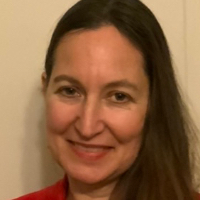
Missouri · 25 yrs exp
Warm, experienced LCSW focused on practical healing
Anger · Self esteem · Depression · Coping with life changes · +15 more
Read profile
New York · 25 yrs exp
Compassionate skills-based care for life challenges
Stress, Anxiety · Trauma and abuse · Self esteem · Depression · +11 more
Read profile
New York · 17 yrs exp
Integrative psychodynamic and solution-focused care
Stress, Anxiety · Self esteem · Career · Depression · +14 more
Read profile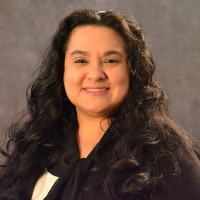
Ohio · 11 yrs exp
Compassionate care for stress and life change
Stress, Anxiety · Grief · Self esteem · Depression · +10 more
Read profile
Ohio · 14 yrs exp
Practical, compassionate therapy for life changes
Stress, Anxiety · Addictions · Relationship · Family · +9 more
Read profile
New York · 10 yrs exp
Compassionate counselor for life transitions
Stress, Anxiety · Family · Self esteem · Coping with life changes · +5 more
Read profile
Texas · 8 yrs exp
Calm guidance for stressful life changes
Stress, Anxiety · Relationship · Grief · Bipolar · +1 more
Read profile
Texas · 15 yrs exp
Practical, compassionate therapy with clear steps
Stress, Anxiety · Trauma and abuse · Grief · Depression · +13 more
Read profile
Florida · 29 yrs exp
Seasoned LMFT focused on practical change
Stress, Anxiety · Relationship · Family · Self esteem · +13 more
Read profile
Texas · 24 yrs exp
Compassionate practical care for daily challenges
Stress, Anxiety · LGBT · Self esteem · Depression · +13 more
Read profile
Texas · 30 yrs exp
Compassionate counselor blending practical tools
Stress, Anxiety · Relationship · Family · Trauma and abuse · +11 more
Read profile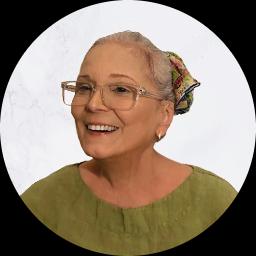
Florida · 30 yrs exp
Compassionate counselor focused on practical change
Stress, Anxiety · Relationship · Family · Self esteem · +15 more
Read profile
Texas · 4 yrs exp
Compassionate counselor for life transitions
Stress, Anxiety · Relationship · Self esteem · Depression · +11 more
Read profile
United Kingdom · 8 yrs exp
Compassionate counsellor for life transitions
Stress, Anxiety · Relationship · Anger · Self esteem · +5 more
Read profile
United Kingdom · 9 yrs exp
Compassionate counsellor for practical change
Stress, Anxiety · LGBT · Trauma and abuse · Grief · +16 more
Read profile
Colorado · 26 yrs exp
Therapist blending connection and practical skill
Stress, Anxiety · Family · Trauma and abuse · Parenting · +9 more
Read profile
United Kingdom · 7 yrs exp
Person-centred counsellor for trauma and loss
Stress, Anxiety · Trauma and abuse · Grief · Depression · +7 more
Read profile
Texas · 10 yrs exp
Compassionate counselor focused on practical growth
Stress, Anxiety · Relationship · Family · Self esteem · +1 more
Read profileWhen you speak in the language you learned as a child or use most often at home, the words you choose carry layers of meaning that go beyond literal translation. Emotions, humor, metaphors, and culturally specific references fit more naturally into conversation, and this can make it easier to describe complex feelings and life events. Choosing a therapist who communicates in Spanish can help you access that nuance, allowing for fuller expression without the constant need to search for equivalent phrases.
Beyond vocabulary, therapy in Spanish can make cultural references and family expectations easier to explore. If you grew up in a Spanish-speaking household or community, cultural concepts - about family roles, expression of emotion, faith, and intergenerational responsibilities - often interact with mental health in ways that are hard to convey in a different language. Working with a Spanish-speaking therapist may allow those cultural threads to surface more naturally, so you can examine patterns and coping strategies in a way that feels familiar and respectful.
Language barriers can introduce misunderstandings in tone, intent, and the emotional weight of a story. Literal translations frequently miss idioms, slang, or emotional intensity, and this can make you feel unheard or misinterpreted. If you find yourself stopping to search for words during sessions or relying on simple phrases to describe complicated feelings, the therapeutic process can feel slowed down or superficial.
When you and your therapist are not fully aligned linguistically, it may also change the dynamic of trust and safety. You might avoid bringing up sensitive topics because translating them feels awkward or because you worry the meaning will be lost. That can reduce the depth of work and limit the strategies you explore. Choosing therapy in Spanish helps reduce these friction points so you can communicate more directly and focus on the content of your healing rather than on linguistic logistics.
Online therapy with a Spanish-speaking clinician often mirrors in-person sessions in structure but offers the convenience of connecting from home or another comfortable setting. Sessions generally begin with an intake or introductory conversation where you and the therapist discuss presenting concerns, goals, and preferences for communication. If you prefer certain dialects, regional expressions, or culturally specific practices to be acknowledged, you can mention that early in the introduction so the clinician can respond in kind.
Technically, you can expect a mix of spoken conversation, reflection, and collaborative planning during sessions. Therapists who list particular approaches among their methods may bring different emphases to sessions - some may focus on problem-solving and skill building, while others may attend more to emotional processing and relational patterns. You can anticipate a process that adapts over time as you and the therapist figure out what helps most for the issues you bring.
Many Spanish-speaking communities carry norms that discourage expressing vulnerability outside the family or that conceptualize mental health struggles in particular ways. You may face messages that therapy is unnecessary, that personal struggles should be handled privately, or that seeking help reflects weakness. These cultural pressures can make the first step toward therapy feel risky. A Spanish-speaking therapist can often recognize and name these cultural dynamics, offering approaches that respect family values while supporting your needs.
Another common concern is finding a therapist who understands migration, bilingual identity, or intergenerational differences. Whether you are navigating immigration-related stress, language transition, or differences in upbringing between generations, you might want someone who can hold these contexts without minimizing them. Financial constraints, concerns about stigma, or worries about how therapy will be perceived by relatives are also frequent barriers. It can help to review therapist profiles for indications that they work with culturally similar populations and to read bios to get a sense of how therapists describe their approach to family and cultural issues.
Online therapy expands the pool of professionals who speak Spanish beyond your immediate geographic area, which can be particularly helpful if local options are limited. You gain the ability to meet with clinicians who match your dialect, cultural background, or specialty interest without needing to travel. The flexibility of remote sessions can also reduce time barriers and allow you to fit therapy into a busy schedule while remaining in a comfortable environment of your choice.
Start by clarifying what matters most to you in therapy - whether it is shared cultural background, experience with certain life transitions, familiarity with trauma-related issues, or an approach that emphasizes practical skills versus emotional processing. Read therapist bios to see how they describe working with Spanish-speaking clients and to learn which populations and issues they often focus on. Because clinicians may list many approaches, keep in mind that a profile noting an approach does not document a credential; it simply indicates that the therapist uses that method among others.
Consider dialect and regional language differences if those are meaningful to you. Some therapists describe the variants of Spanish they use or the communities they serve which can make a difference in how natural conversation feels. Pay attention to how therapists describe their work with families, communities, or migration-related stress if those are central to your needs. It can also help to note logistical details in profiles such as language of documentation, session formats offered, payment options, and whether a clinician indicates experience with particular populations. When you are ready, reach out through the contact or intake methods listed in a profile to ask any specific questions about approach, cultural perspective, or session structure so you can make an informed decision about fit.
Therapy in Spanish can open pathways to deeper expression, cultural understanding, and practical problem solving. By focusing on language compatibility, cultural resonance, and clear expectations for how therapy will proceed, you increase the chances of finding a therapeutic relationship that feels both accessible and meaningful. Use the profiles below to explore options and to identify therapists whose language and specialties align with the support you are seeking.
Alabama
73 therapists
Alaska
11 therapists
Arizona
62 therapists
Arkansas
24 therapists
Australia
192 therapists
California
483 therapists
Colorado
101 therapists
Connecticut
40 therapists
Delaware
16 therapists
District of Columbia
20 therapists
Florida
595 therapists
Georgia
252 therapists
Hawaii
25 therapists
Idaho
24 therapists
Illinois
197 therapists
Indiana
61 therapists
Iowa
16 therapists
Kansas
27 therapists
Kentucky
54 therapists
Louisiana
110 therapists
Maine
14 therapists
Maryland
83 therapists
Massachusetts
59 therapists
Michigan
171 therapists
Minnesota
52 therapists
Mississippi
53 therapists
Missouri
112 therapists
Montana
23 therapists
Nebraska
23 therapists
Nevada
40 therapists
New Hampshire
13 therapists
New Jersey
126 therapists
New Mexico
18 therapists
New York
277 therapists
North Carolina
242 therapists
North Dakota
5 therapists
Ohio
104 therapists
Oklahoma
84 therapists
Oregon
48 therapists
Pennsylvania
131 therapists
Rhode Island
9 therapists
South Carolina
87 therapists
South Dakota
5 therapists
Tennessee
80 therapists
Texas
640 therapists
United Kingdom
1141 therapists
Utah
42 therapists
Vermont
4 therapists
Virginia
94 therapists
Washington
68 therapists
West Virginia
6 therapists
Wisconsin
67 therapists
Wyoming
9 therapists