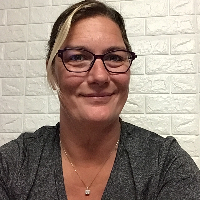
Sara Veldhuizen
LMHCIndiana · 11 yrs exp
Insight-oriented counselor focused on lasting change
Stress, Anxiety · Addictions · Trauma and abuse · Parenting · +14 more
Read profileTherapist listings are provided by BetterHelp. We will earn a commission at no additional cost to you if you use our links to purchase.
Browse profiles of professionals who list cultural identity and multicultural concerns in their Indiana listed location. Compare focus areas, languages, academic degrees, and professional credentials or registration, and check each profile to confirm permission to work together where you live.
Indiana · 11 yrs exp
Insight-oriented counselor focused on lasting change
Stress, Anxiety · Addictions · Trauma and abuse · Parenting · +14 more
Read profile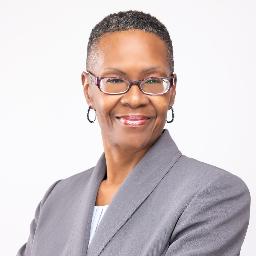
Indiana · 37 yrs exp
Seasoned LCSW focusing on practical change
Stress, Anxiety · Relationship · Trauma and abuse · Bipolar · +15 more
Read profile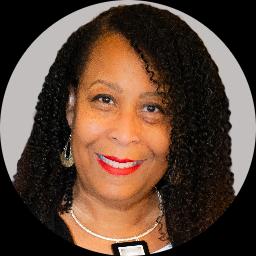
Indiana · 15 yrs exp
Experienced LCSW focused on trauma and family
Stress, Anxiety · Relationship · Family · Trauma and abuse · +10 more
Read profile
Indiana · 21 yrs exp
Practical therapy for stress and trauma recovery
Stress, Anxiety · Trauma and abuse · Grief · Sleeping · +15 more
Read profile
Indiana · 17 yrs exp
Compassionate social worker guiding practical change
Stress, Anxiety · Family · Trauma and abuse · Self esteem · +10 more
Read profile
Indiana · 14 yrs exp
Practical support for stress and relationships
Stress, Anxiety · Relationship · Trauma and abuse · Self esteem · +1 more
Read profile
Indiana · 40 yrs exp
Dedicated counselor for relationship and life changes
Stress, Anxiety · Relationship · Grief · Depression · +1 more
Read profile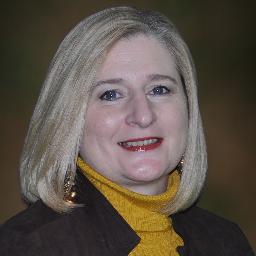
Indiana · 9 yrs exp
Compassionate counselor for life transitions
Family · Grief · Anger · Self esteem · +12 more
Read profile
Indiana · 5 yrs exp
Compassionate, culturally aware support for healing
Stress, Anxiety · Relationship · Trauma and abuse · Self esteem · +1 more
Read profile
Indiana · 14 yrs exp
Empathetic social worker for life transitions
Stress, Anxiety · Family · Grief · Depression · +1 more
Read profile
Indiana · 4 yrs exp
Compassionate, practical therapy for emotional balance
Stress, Anxiety · Trauma and abuse · Anger · Self esteem · +1 more
Read profile
Indiana · 3 yrs exp
Compassionate, practical, client-led therapy
Stress, Anxiety · Relationship · Self esteem · Career · +8 more
Read profile
Indiana · 17 yrs exp
Honest, strengths-based support
LGBT · Relationship · Parenting · Anger · +14 more
Read profile
Indiana · 19 yrs exp
Compassionate counselor with practical tools
Relationship · Family · Trauma and abuse · Intimacy-related issues · +14 more
Read profile
Indiana · 31 yrs exp
Compassionate social worker helping people find balance
Stress, Anxiety · Relationship · Bipolar · Depression · +16 more
Read profile
Indiana · 25 yrs exp
Compassionate clinician focused on practical change
Stress, Anxiety · Trauma and abuse · Grief · Self esteem · +11 more
Read profile
Indiana · 6 yrs exp
Compassionate social worker for life transitions
Stress, Anxiety · Relationship · Trauma and abuse · Grief · +11 more
Read profile
Indiana · 12 yrs exp
Practical, person-focused therapy with clear tools
Stress, Anxiety · Trauma and abuse · Self esteem · Bipolar · +10 more
Read profile
Indiana · 18 yrs exp
LCSW blending therapy and coaching
Stress, Anxiety · Grief · Self esteem · Depression · +5 more
Read profile
Indiana · 14 yrs exp
Helping people find steadiness and connection
Stress, Anxiety · Trauma and abuse · Self esteem · Depression · +12 more
Read profile
Indiana · 25 yrs exp
Experienced LCSW offering practical, caring therapy
Stress, Anxiety · Relationship · Grief · Self esteem · +12 more
Read profile
Indiana · 40 yrs exp
Calm, practical counseling for life’s hard moments
Stress, Anxiety · Addictions · Trauma and abuse · Self esteem · +9 more
Read profileWhen you are seeking help with cultural identity or acculturation, you are often navigating several overlapping experiences at once. You may be adapting to a new country, balancing expectations from parents or elders, or carrying the ongoing stress of discrimination. These concerns can affect how you relate to others, how you make decisions, and how comfortable you feel asking for support. In Indiana, the professionals listed under this location may have experience working with people from many backgrounds, but the profile text is the place to learn what each person highlights about their practice. Read descriptions that mention migration, acculturation, intergenerational expectations, or discrimination stress to see whether the language matches what you are experiencing.
Feeling understood is a central part of good therapeutic fit. That does not mean a therapist must share your background to be helpful, but it does mean you should look for professionals who describe an intentional focus on cultural dynamics. You can pay attention to how they describe culture in their practice and whether they mention working with specific challenges such as language adjustment, bicultural identity, family obligation dynamics, or the mental load of experiencing bias. Those descriptions will give you starting points for the conversations you might have in an initial contact or intake.
The Arizona, UK, Australian and other global entries in the directory are all grouped by the listed location field. For this page, the listed location is Indiana, which helps you find professionals connected to that place for legal and practical reasons. A listed location does not by itself prove that a person maintains an office there, that they carry a current permission to practice in that state, or that they are available for work with people residing there. You should always open the individual profile and confirm that the professional can legally and ethically work with you where you live.
Profiles include academic degrees such as PhD, PsyD, MD, MA, and MSW. Those degrees describe a person’s education but do not by themselves establish permission to practice. In the United States, permission to practice is issued through state licensing bodies, and in the United Kingdom or Australia professionals may list registration or membership with national or regional bodies. Look for clear statements on the profile about the specific license, registration, or membership relevant to the jurisdiction where you live. If that information is not present, contact the person directly and ask about their permission to work with clients in Indiana or in your country of residence.
When you review a profile, it helps to have concrete questions ready so you can compare responses across different professionals. Ask how they integrate culture into their work - for example, whether they explore family and community roles, language preferences, or migration history as part of assessment and treatment. You can ask whether they have experience helping people cope with discrimination stress and how they approach validating and managing those experiences. If you are concerned about generational expectations, ask how they involve or consider family dynamics and whether they are comfortable discussing cultural codes and obligations that shape your choices.
Also ask about the approaches they use as options to discuss rather than as guarantees of training. For example, you might say, "I see you list EMDR among your approaches; can you describe how you use it or other techniques when cultural trauma is a focus?" That phrasing lets you learn whether those approaches are commonly used in their work with cultural identity issues. Ask whether they have experience with clients whose language or faith traditions are central to therapy, and how they handle interpretation, translation, or the involvement of community supports. It is reasonable to ask for examples of how they adapt their approach to cultural differences, while remembering that a few examples on a profile do not substitute for a direct conversation about fit.
If you are considering remote work or working across state or national lines, there are practical topics to raise before beginning. Start by asking whether the professional confirms permission to work with clients based in Indiana and what documentation, if any, you should expect. Clarify logistics such as time zone handling, preferred communication channels for scheduling or follow-up, and the professional’s policies on record keeping and privacy practices. You may want to ask how they handle emergency situations when working with someone in a different jurisdiction and what local resources they recommend in case you need immediate support.
Language and cultural framing matter for remote work. Ask whether the person conducts therapy in your preferred language or whether they use interpreters, and discuss how cultural references or rituals will be handled during sessions. If family members or community leaders are part of your process, talk about how and when they can be included. Clear expectations about session structure, goals, homework, and how cultural material will be explored can make the work more focused from the start. Remember to confirm permission to work together where you live by checking the individual profile and asking directly if anything is unclear.
Comparing profiles is a practical skill that helps you narrow choices efficiently. Read several profiles and note which ones explicitly list cultural identity, migration, acculturation, intergenerational expectations, or discrimination as focus areas. Look for mentions of the particular concerns you have, and note any languages listed so you can prioritize professionals who communicate in the language you prefer. Pay attention to the way each person writes about their work - some profiles will emphasize reflective, exploratory conversation while others will describe a practical, problem-solving orientation. Think about which style is more likely to help you feel heard and make progress on the issues you brought up.
Compare academic degrees separately from professional credentials. A PhD, PsyD, MD, MA, or MSW tells you about education, while licenses, registrations, or professional body memberships indicate permission to practice in specific places. For example, a profile might list a US state license, a UK registration, or an Australian membership. If jurisdictional permission matters to you, prioritize professionals who state the relevant credential for Indiana or who explicitly say they work with Indiana residents. Look for language that describes the populations they commonly work with and any mention of integrating cultural context into assessment and planning. If a profile lists particular approaches you are curious about, use the profile to form questions such as, "Which situations lead you to use that approach when culture is central to the concern?" That type of question keeps the focus on fit rather than assuming a guarantee of training or outcomes.
Ultimately, choosing someone to work with is a personal decision. Use profiles to compare focus areas, languages, academic background, and professional permissions, then reach out to ask pointed, concrete questions about cultural experience and practice style. Confirm that the professional can work with you where you live and that their approach aligns with your expectations. Those steps will help you make an informed choice and start a conversation that centers your cultural experience and well-being.
Attachment Issues
3898 therapists
Blended Family Issues
3343 therapists
Career
3685 therapists
Communication Problems
5114 therapists
Coping with Life Changes
5065 therapists
Family
4525 therapists
Family of Origin Issues
3322 therapists
Life Purpose
4954 therapists
Parenting
3768 therapists
Relationship
5165 therapists
Workplace Issues
4189 therapists