
Carlos Camarena
LSCSWKansas · 30 yrs exp
Compassionate social worker focused on practical change
Stress, Anxiety · Trauma and abuse · Sleeping · Self esteem · +14 more
Read profileTherapist listings are provided by BetterHelp. We will earn a commission at no additional cost to you if you use our links to purchase.
Compare profiles for therapists listed in Kansas who identify cultural identity and multicultural concerns among their focus areas. Browse to compare focus areas, languages, academic credentials, professional registrations or licenses, and therapeutic style before contacting a clinician.
Kansas · 30 yrs exp
Compassionate social worker focused on practical change
Stress, Anxiety · Trauma and abuse · Sleeping · Self esteem · +14 more
Read profile
Kansas · 6 yrs exp
Supportive LSCSW focused on practical change
Stress, Anxiety · Grief · Self esteem · Depression · +1 more
Read profile
Kansas · 12 yrs exp
Calm, culturally aware trauma-responsive care
Family · Trauma and abuse · Grief · Parenting · +1 more
Read profile
Kansas · 36 yrs exp
Practical, experienced therapist for life changes
Stress, Anxiety · Addictions · Grief · Depression · +16 more
Read profile
Kansas · 15 yrs exp
A practical, warm approach to everyday struggles
Relationship · Family · Intimacy-related issues · Parenting · +2 more
Read profile
Kansas · 40 yrs exp
Seasoned LSCSW offering practical, faith-aware support
Stress, Anxiety · Grief · Self esteem · Depression · +6 more
Read profile
Kansas · 15 yrs exp
Compassionate social worker focused on multicultural care
Stress, Anxiety · Trauma and abuse · Grief · Self esteem · +14 more
Read profile
Kansas · 36 yrs exp
Relationship-focused therapist with multicultural perspective
Stress, Anxiety · Relationship · Family · Intimacy-related issues · +7 more
Read profile
Kansas · 10 yrs exp
Guide for practical change
Stress, Anxiety · Self esteem · Career · Coping with life changes · +8 more
Read profile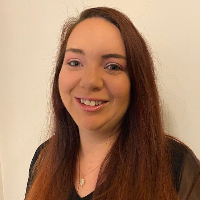
Kansas · 7 yrs exp
Direct and empathetic therapist focused on families
Stress, Anxiety · Family · Trauma and abuse · Parenting · +9 more
Read profile
Kansas · 20 yrs exp
Compassionate trauma-informed social worker
Stress, Anxiety · Trauma and abuse · Parenting · Self esteem · +13 more
Read profile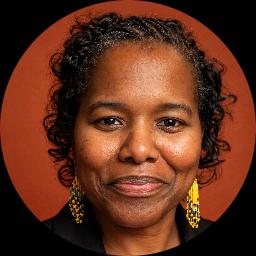
Kansas · 18 yrs exp
Practical support for stress and identity
Stress, Anxiety · Addictions · Grief · Self esteem · +1 more
Read profile
Kansas · 22 yrs exp
Experienced Kansas clinical social worker
Stress, Anxiety · Relationship · Trauma and abuse · Depression · +14 more
Read profile
Kansas · 16 yrs exp
Compassionate, goal-focused clinical social worker
Stress, Anxiety · Relationship · Intimacy-related issues · Self esteem · +16 more
Read profile
Kansas · 10 yrs exp
Practical therapy for relationship and sexual concerns
Stress, Anxiety · LGBT · Relationship · Intimacy-related issues · +1 more
Read profile
Kansas · 8 yrs exp
Compassionate practical therapy for life challenges
Addictions · Relationship · Family · Trauma and abuse · +12 more
Read profile
Kansas · 6 yrs exp
Compassionate, practical therapy focused on strengths
Stress, Anxiety · Relationship · Trauma and abuse · Self esteem · +12 more
Read profile
Kansas · 12 yrs exp
Compassionate, practical help for life changes
Stress, Anxiety · LGBT · Self esteem · Depression · +13 more
Read profile
Kansas · 20 yrs exp
Experienced, practical therapist for relationships and identity
Relationship · Family · Trauma and abuse · Intimacy-related issues · +11 more
Read profile
Kansas · 10 yrs exp
Practical, compassionate support for life changes
Stress, Anxiety · Family · Self esteem · Coping with life changes · +8 more
Read profile
Kansas · 7 yrs exp
Practical, compassionate therapy that fits your life
Stress, Anxiety · Anger · Self esteem · Depression · +14 more
Read profileWhen you are looking for help with issues tied to cultural identity, migration or acculturation, you are often also looking for empathy and context. Cultural identity can include ethnicity, race, religion, language, immigration history, and connections to community or heritage. Migration and acculturation bring practical and emotional shifts - changes in family roles, language use, daily routines, and expectations from different generations. Those shifts can create stress, grief for what was left behind, and tension around whom you feel responsible to and how you present yourself across settings.
Intergenerational expectations are a common element of this work. You may be navigating diverging values between older and younger family members, expectations around caregiving and honor, or pressure to follow certain educational or career paths. Feeling misunderstood or minimized by family, colleagues, or systems can compound the emotional load. Discrimination and microaggressions from others can also create ongoing stress that affects mood, sleep, and relationships. In search of support, consider whether a clinician’s profile describes experience with migration, acculturation, intergenerational dynamics, discrimination-related stress or cultural identity concerns, and whether the languages and community knowledge listed align with your needs.
The directory groups profiles under a listed location of Kansas, but that grouping is not evidence of an office, physical proximity, or a particular professional's current permission to practice in your area. Profiles may represent clinicians based in the United States, the United Kingdom, or Australia. In the United States, look for references to state licensing when that information is provided and verify jurisdictional permission directly with the clinician. In the United Kingdom and Australia you may see references to professional registration or membership in national bodies rather than US-style licensure. Academic degrees such as PhD, PsyD, MD, MA, or MSW describe a clinician’s educational background and should be understood separately from professional registration or license to practice. A degree alone does not establish that a person currently has the legal authority to provide care where you live.
Because licensing and registration rules vary by country and state, you should check the individual profile for any notes about geographic practice and confirm with the clinician whether they are permitted to work with you in your location. Profiles listing multicultural concerns among their focus areas are not evidence of specialist certification; they indicate that the clinician has chosen to state that area as part of their practice focus. Use the profile as a starting point for questions rather than as the sole basis for a decision.
When you contact a clinician, asking specific questions helps you understand whether their approach fits your needs. You might ask how they describe their experience working with cultural identity issues similar to yours and request examples of themes that commonly arise in that work. Ask which approaches they draw on and remember that a profile may list multiple approaches; phrases such as therapists who list EMDR among their approaches or therapists who list narrative or cognitive-behavioral approaches indicate what they may use, not a guarantee of specialized certification. A useful question is "Which of your approaches do you find most helpful for migration-related stress and why?" This invites practical explanation rather than labels.
Also ask about language and community familiarity. Directly inquire which languages the clinician speaks and whether they have experience collaborating with community elders, cultural leaders, or interpreters when that is relevant to you. You may want to ask about how they work with family expectations across generations and how they support clients who experience discrimination or microaggressions. To understand therapeutic style, ask whether they tend to take a more exploratory, reflective stance or whether they use more directive problem-solving in sessions, and how they adapt their style to cultural context.
If you plan to work with someone across distances, discuss jurisdictional permission and practical arrangements before beginning. Confirm that the clinician has explicit permission to offer services to people where you live, and ask how they handle differences in laws or professional expectations between locations. You should discuss how records, consent, and any necessary referrals will be managed when care crosses state or national lines. Also clarify technical and logistical details such as the technology platforms used, recommended settings for your sessions, and how to handle interruptions or emergencies during remote meetings.
It is appropriate to ask about how your personal information is handled and what communications the clinician uses between sessions. You can ask whether they will share notes or summaries, and how they coordinate care if you need referrals to local supports. When culture-specific concerns are central, ask how the clinician will involve community resources if that is helpful to you, and whether they have experience balancing information-sharing boundaries needs with cultural expectations about family involvement. Discussing these topics up front helps you set expectations and decide whether the clinician’s ways of working match what you need.
When you compare profiles, pay attention to the combination of focus areas, the languages offered, the academic degrees and professional registrations listed, and descriptions of therapeutic style. Focus areas tell you what clinicians have highlighted as common topics they address; when you see multicultural concerns or cultural identity listed, treat that as an invitation to ask for more detail about the clinician’s experience with issues like migration, acculturation, intergenerational conflict, and discrimination-related stress. Languages listed on a profile can indicate the possibility of communicating in a language you prefer, but always confirm language fluency and how interpretation is handled if needed.
Look at degrees and registrations distinctly. A profile may list a PhD, PsyD, MD, MA, or MSW along with notes about a state license, a UK registration, or Australian membership. These are different kinds of credentials and they matter in terms of legal permission to practice. If you need care within a specific jurisdiction, ask the clinician to confirm their registration or license status for that area. For therapeutic style, read any narrative descriptions of how the clinician works rather than relying solely on approach labels. Concrete comparison questions you can use include: "Can you describe a typical first session when cultural identity is the focus?", "How do you help clients manage ongoing discrimination-related stress?", and "How do you adapt your approach when family expectations conflict across generations?" These types of questions help you move from general profile claims to a clearer sense of fit.
As you review profiles on CulturalTherapists.com, remember that the listing groups clinicians by a stated location and self-described areas of focus. Use the profile information to identify promising matches and then reach out with specific, concrete questions about experience, jurisdictional permission to work where you live, language capabilities, and practical arrangements for care. That process will help you find a clinician whose experience and style align with the cultural and personal concerns you want to address.
Attachment Issues
3898 therapists
Blended Family Issues
3343 therapists
Career
3685 therapists
Communication Problems
5114 therapists
Coping with Life Changes
5065 therapists
Family
4525 therapists
Family of Origin Issues
3322 therapists
Life Purpose
4954 therapists
Parenting
3768 therapists
Relationship
5165 therapists
Workplace Issues
4189 therapists