
Christopher Gerou
LPCWisconsin · 30 yrs exp
Practical counseling for stress, grief, and life change
Stress, Anxiety · Relationship · Family · Trauma and abuse · +9 more
Read profileTherapist listings are provided by BetterHelp. We will earn a commission at no additional cost to you if you use our links to purchase.
This page groups profiles in Wisconsin for therapists who list cultural identity and multicultural concerns among their focus areas. Compare focus areas, professional degrees, approaches, languages and experience, then browse individual profiles to learn more.
Wisconsin · 30 yrs exp
Practical counseling for stress, grief, and life change
Stress, Anxiety · Relationship · Family · Trauma and abuse · +9 more
Read profile
Wisconsin · 40 yrs exp
Experienced counselor guiding practical change
Stress, Anxiety · Family · Parenting · Self esteem · +14 more
Read profile
Wisconsin · 8 yrs exp
Compassionate counselor offering practical tools
Stress, Anxiety · Relationship · Self esteem · Career · +10 more
Read profile
Wisconsin · 33 yrs exp
Experienced counselor for life transitions
Stress, Anxiety · Addictions · Trauma and abuse · Grief · +11 more
Read profile
Wisconsin · 20 yrs exp
Compassionate social worker helping you move forward
Stress, Anxiety · Relationship · Trauma and abuse · Self esteem · +15 more
Read profile
Wisconsin · 35 yrs exp
Experienced guide for practical mental wellness
Stress, Anxiety · Trauma and abuse · Depression · LGBT · +6 more
Read profile
Wisconsin · 8 yrs exp
Focused counselor helping people through life changes
Stress, Anxiety · Anger · Depression · Coping with life changes · +11 more
Read profile
Wisconsin · 10 yrs exp
Compassionate counselor for life transitions
Stress, Anxiety · Eating · Self esteem · Career · +1 more
Read profile
Wisconsin · 20 yrs exp
Practical guidance for stress and relationship strain
Stress, Anxiety · Addictions · Trauma and abuse · Grief · +1 more
Read profile
Wisconsin · 7 yrs exp
Compassionate counselor for life transitions
Stress, Anxiety · Family · Trauma and abuse · Intimacy-related issues · +16 more
Read profile
Wisconsin · 6 yrs exp
Compassionate, practical mental health support
Stress, Anxiety · Trauma and abuse · Self esteem · Depression · +1 more
Read profile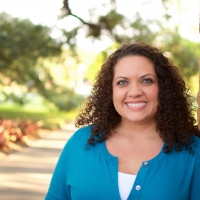
Wisconsin · 15 yrs exp
Compassionate counselor helping clients build self-trust
Stress, Anxiety · Trauma and abuse · Self esteem · Coping with life changes · +4 more
Read profile
Wisconsin · 18 yrs exp
Practical, compassionate counseling for life's challenges
Stress, Anxiety · Family · Trauma and abuse · Depression · +11 more
Read profile
Wisconsin · 8 yrs exp
Compassionate, practical guidance for everyday challenges
Stress, Anxiety · Relationship · Family · Self esteem · +14 more
Read profile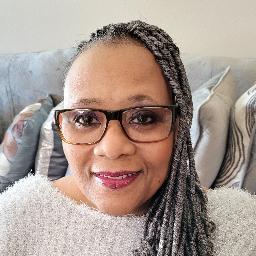
Wisconsin · 7 yrs exp
Calm, practical counseling for life transitions
Stress, Anxiety · Family · Trauma and abuse · Anger · +13 more
Read profile
Wisconsin · 15 yrs exp
Calm, practical support for life transitions
Stress, Anxiety · Relationship · Grief · Depression · +12 more
Read profile
Wisconsin · 11 yrs exp
Therapist who listens and guides
Stress, Anxiety · Self esteem · Bipolar · Depression · +12 more
Read profile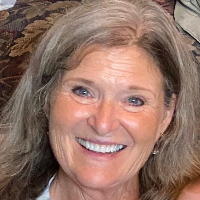
Wisconsin · 35 yrs exp
Compassionate guidance with practical steps
Stress, Anxiety · Addictions · Relationship · Family · +11 more
Read profile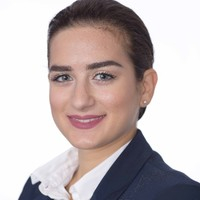
Wisconsin · 10 yrs exp
Compassionate counselor focused on meaning and change
Stress, Anxiety · Trauma and abuse · Grief · Anger · +11 more
Read profile
Wisconsin · 9 yrs exp
Trauma-informed LCSW focused on patterns and healing
Stress, Anxiety · Addictions · LGBT · Trauma and abuse · +5 more
Read profile
Wisconsin · 33 yrs exp
Experienced LCSW blending relational and somatic care
Stress, Anxiety · Trauma and abuse · Grief · Self esteem · +15 more
Read profile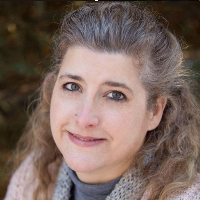
Wisconsin · 5 yrs exp
Collaborative counselor focused on practical change
Stress, Anxiety · Addictions · Relationship · Depression · +15 more
Read profileIf you are exploring therapy related to cultural identity, migration or acculturation, intergenerational expectations, or stress from discrimination, you are not alone in seeking a space to be understood. These concerns can show up as questions about belonging, tension between family expectations and your own values, grief about loss of language or community, or ongoing stress after experiences of bias. You may be looking for a clinician who pays attention to cultural meaning, can hold your narrative about migration or identity, and helps you navigate practical concerns such as language needs or culturally shaped family roles. When you read a profile, look for how the practitioner describes the issues they focus on and how they talk about working with cultural identity - that language can give you an initial sense of whether their orientation aligns with your needs.
This directory groups profiles by listed location, but a listed location does not by itself prove an office address, physical proximity, or that a practitioner holds an active permission to practice where you live. Always check the individual profile and confirm that the clinician is authorized to work with you in your jurisdiction. The professional qualifications shown on a profile may include academic degrees such as PhD, PsyD, MD, MA or MSW. These academic credentials describe completed degrees and are not the same as a professional license, registration or membership. In the United States, clinicians normally hold state licensure that grants permission to practice in a particular state. In the United Kingdom and Australia, clinicians may list registration or membership with national or regional professional bodies. A degree or membership alone does not confirm current permission to practice in your location, so you should verify that information directly with the practitioner if jurisdiction matters for you.
When you contact someone or review a profile, you can ask concrete questions that reveal how they work and whether they have relevant experience. Ask how they describe their approach to cultural identity and whether they have experience addressing migration or acculturation-related stress. Ask for examples of how they have supported people facing intergenerational expectations or discrimination-related distress, while understanding that a profile listing a focus area does not prove specialist certification. If language access matters, ask which languages they use in sessions and whether they conduct therapy in more than one language. If particular therapeutic approaches appeal to you, ask whether a therapist lists those approaches among their methods and how they typically adapt them to cultural context - for example, you can say: Do you list EMDR, CBT, narrative or psychodynamic approaches among your methods, and how do you adapt them when culture or migration is central to the concern?
If you are planning to work online across state or national lines, raise questions about authorization to provide care where you live and how they handle emergencies or urgent needs. Ask the practitioner to confirm they are permitted to work with clients in your state or country, and ask what they recommend if a crisis occurs outside of session times. Talk about the technology you will use and what to do if there are connectivity issues so you both have a clear plan. Discuss boundaries around communication between sessions, expected session structure, and how the therapist gathers cultural context - for instance, whether they ask about migration history, family expectations, faith or language preferences. Remember that profiles reflect what a clinician lists and are not proof of specific training or outcomes; the best way to be confident about practice permissions and the scope of care is to ask directly before you begin.
Comparing profiles effectively means paying attention to several concrete details and asking targeted questions. Read the summary to see which focus areas are emphasized - does the profile explicitly mention cultural identity, acculturation, intergenerational dynamics or discrimination stress? Look for descriptions of the populations or life stages a clinician often supports, but do not assume a listed topic means they treat children, couples or families unless that is stated. Check which languages are listed as languages of practice if you prefer to work in a language other than English. Note the academic degrees shown and whether the profile mentions state licensure, national registration or professional membership; treat those phrases as pointers to verify rather than definitive proof of permission to practice where you are. Consider the tone and style conveyed in the profile description - does the clinician emphasize collaborative work, practical strategies, narrative exploration, or emotional processing? Finally, use profile contact information to ask the direct, concrete questions you need answered: Are you authorized to work with me in my location? How do you approach cultural identity concerns like mine? Which languages do you use in sessions? These specific queries will help you narrow choices and find a match that fits the cultural and practical aspects that matter to you.
As you browse Wisconsin listings, remember to verify details on each profile and confirm permission to work together where you live. Profiles are a starting point for finding someone who understands cultural identity and multicultural concerns; a brief conversation will clarify scope, approach and whether a clinician is the right fit for your needs.
Attachment Issues
3898 therapists
Blended Family Issues
3343 therapists
Career
3685 therapists
Communication Problems
5114 therapists
Coping with Life Changes
5065 therapists
Family
4525 therapists
Family of Origin Issues
3322 therapists
Life Purpose
4954 therapists
Parenting
3768 therapists
Relationship
5165 therapists
Workplace Issues
4189 therapists