
Velma Jones
LCSWNew York · 29 yrs exp
Compassionate therapist who focuses on real-life change
Stress, Anxiety · Relationship · Trauma and abuse · Depression · +10 more
Read profileTherapist listings are provided by BetterHelp. We will earn a commission at no additional cost to you if you use our links to purchase.
This page groups profiles of mental health professionals who list Multicultural Concerns as a focus area. You can compare listed location, languages, credentials, approach descriptions, and professional degrees to find profiles that feel relevant to your needs.
Use the filters and read profile summaries to narrow options, then browse individual profiles to learn more about the clinicians who mention cultural identity and related topics.
New York · 29 yrs exp
Compassionate therapist who focuses on real-life change
Stress, Anxiety · Relationship · Trauma and abuse · Depression · +10 more
Read profile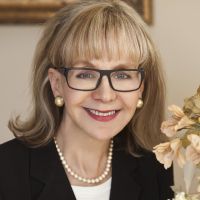
North Carolina · 25 yrs exp
Compassionate therapist for complex life challenges
Stress, Anxiety · Relationship · Family · Grief · +15 more
Read profile
Georgia · 20 yrs exp
Compassionate, culturally aware therapy for real life
Stress, Anxiety · Addictions · Relationship · Self esteem · +12 more
Read profile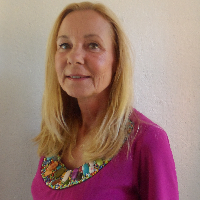
North Carolina · 30 yrs exp
Practical, trauma-informed therapy with warmth
Relationship · Parenting · Anger · Stress, Anxiety · +5 more
Read profile
Colorado · 19 yrs exp
Practical, culturally aware therapy for life challenges
Stress, Anxiety · Relationship · Trauma and abuse · Grief · +12 more
Read profile
Texas · 13 yrs exp
Practical, relationship-centered therapy for real life
Stress, Anxiety · Relationship · Trauma and abuse · Anger · +11 more
Read profile
Florida · 20 yrs exp
Experienced counselor focusing on addiction and life changes
Stress, Anxiety · Addictions · Relationship · Self esteem · +16 more
Read profile
Missouri · 23 yrs exp
Compassionate counselor guiding practical change
Stress, Anxiety · Addictions · Trauma and abuse · Career · +10 more
Read profile
Georgia · 10 yrs exp
Compassionate counselor for life transitions
Stress, Anxiety · Grief · Self esteem · Depression · +10 more
Read profile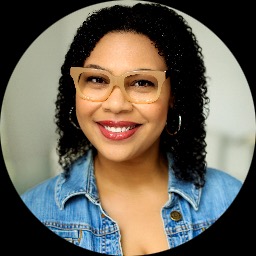
New York · 13 yrs exp
Calm, practical support for life’s difficult moments
Relationship · Trauma and abuse · Grief · Self esteem · +9 more
Read profile
Mississippi · 16 yrs exp
Relationship-focused counselor for practical change
Stress, Anxiety · Relationship · Family · Parenting · +6 more
Read profile
Oregon · 26 yrs exp
Experienced LCSW for life transitions and trauma
Stress, Anxiety · Trauma and abuse · Grief · Depression · +10 more
Read profile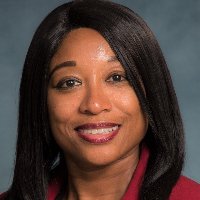
Georgia · 8 yrs exp
Compassionate, culturally aware counseling
Stress, Anxiety · Relationship · Family · Grief · +11 more
Read profile
Kentucky · 18 yrs exp
Compassionate therapist for identity and relationships
LGBT · Relationship · Family · Self esteem · +14 more
Read profile
Colorado · 15 yrs exp
Direct, goal-focused counselor
Stress, Anxiety · Relationship · Intimacy-related issues · Self esteem · +10 more
Read profile
Louisiana · 7 yrs exp
Compassionate, practical counseling for life transitions
Stress, Anxiety · Family · Trauma and abuse · Parenting · +15 more
Read profile
Florida · 25 yrs exp
Compassionate counselor for trauma and relationships
Relationship · Trauma and abuse · Grief · Anger · +12 more
Read profile
Oklahoma · 7 yrs exp
Compassionate counselor focused on practical progress
Stress, Anxiety · Relationship · Grief · Depression · +8 more
Read profile
New York · 5 yrs exp
Culturally aware, action-focused counseling
Stress, Anxiety · LGBT · Trauma and abuse · Bipolar · +12 more
Read profile
Missouri · 16 yrs exp
Empathic social worker guiding practical change
Stress, Anxiety · Trauma and abuse · Self esteem · Bipolar · +12 more
Read profile
North Carolina · 10 yrs exp
Faith-informed social worker focused on whole-person healing
Stress, Anxiety · Relationship · Family · Bipolar · +16 more
Read profile
New York · 11 yrs exp
Practical, values‑focused therapy with steady support
Stress, Anxiety · Grief · Self esteem · Relationship · +8 more
Read profile
New York · 35 yrs exp
Experienced LCSW focused on practical care
Stress, Anxiety · Self esteem · Career · ADHD · +10 more
Read profile
Louisiana · 10 yrs exp
Relationship-centered counselor focusing on real-life change
Stress, Anxiety · Relationship · Family · Depression · +12 more
Read profileWhen you search for help around cultural identity and multicultural concerns, you are often looking for someone who understands how culture, background and migration shape daily life and emotional well-being. Cultural identity can include ethnicity, race, religion, language, immigration status, and the various ways those elements interact with family expectations, work, social life and legal systems. You might be navigating acculturation - the process of adapting to a new society - or reckoning with intergenerational differences in values and communication. You may also be dealing with stress from discrimination, microaggressions, or the feeling of not being understood by peers or providers.
Profiles on this page indicate that a therapist lists Multicultural Concerns among their areas of focus. That listing signals interest or experience with cultural topics as reported in their profiles, but it is not, on its own, evidence of a formal certification or mastery of every cultural issue. Use the information in profiles to decide who to read more about and who you might reach out to for an initial discussion about fit.
This directory groups clinicians whose profiles include cultural identity and multicultural topics so you can review potential matches in one place. The connection between a listed focus area and your individual needs is personal - the presence of Multicultural Concerns on a profile does not guarantee a particular approach or that the clinician shares your background. Instead, it creates an entry point for you to evaluate whether a profile’s descriptions and stated interests align with the context you bring.
Think of the directory as a way to find profiles that explicitly name cultural identity, migration or acculturation as topics they address. Some profiles may highlight language skills, work with immigrant communities, or experience discussing family expectations across generations. Others may emphasize awareness of discrimination-related stress or culturally specific coping strategies. Comparing these elements can help you find clinicians whose profiles suggest familiarity with situations similar to yours, while keeping in mind that the profile content is descriptive rather than diagnostic.
When you review a profile and decide to contact someone, have concrete questions ready so you can learn about how they work with cultural topics. You can ask about their experience with migration and acculturation and whether they have worked with people from your region or language group. Ask how they understand and respond to intergenerational conflict and family expectations, and what kinds of conversations they find helpful when addressing discrimination-related stress or identity conflict.
It is useful to ask about therapeutic options they might discuss with you rather than assuming any particular method will be used. You can ask whether they collaborate with community resources, whether they discuss cultural strengths and resilience, and how they handle mismatches in cultural background between therapist and client. Ask direct questions such as "How do you incorporate a client's cultural values into therapy?", "What experience do you have discussing migration and acculturation?", and "How do you approach issues related to race, faith, or language differences in sessions?" These concrete queries will help you judge whether the clinician’s described approach aligns with what you want to explore.
If you are considering remote sessions, there are specific topics to clarify before beginning. Discuss the languages used in sessions and whether the clinician conducts therapy in a language you prefer. Talk about how time zones and scheduling will be handled if the listed location is in a different region from where you will be during sessions. Ask how they handle emergency planning and what local resources they recommend if you require immediate assistance in your area.
You should also address how cultural considerations will be handled in an online setting - whether the clinician has experience discussing migration narratives, family expectations and discrimination stress remotely and how they adapt materials or pacing when language or cultural context affects communication. Clarify expectations around session format, including how privacy and boundaries are managed on both sides, and whether the clinician can accommodate rituals, holidays or practices that matter to you. These conversations help set mutual expectations and establish whether the clinician’s online approach feels respectful and practical for your circumstances.
When you compare profiles, pay attention to several concrete elements that will shape your decision. Focus areas listed on a profile indicate topics the clinician mentions working with, such as cultural identity, migration stress, intergenerational conflict or discrimination-related concerns. Look for language information - profiles often note which languages the clinician speaks, which can affect whether you can speak in the terminology and idioms that feel most natural to you. Consider the listed location and how that relates to time zone and the legal context where the clinician practices.
Examine credentials with clarity: academic degrees such as PhD, PsyD, MD, MA or MSW describe educational background, while licensing, registration or professional membership indicate permission to practice in a jurisdiction. In the United States many clinicians hold state licenses, while professionals in the United Kingdom or Australia may be registered with national boards or belong to professional associations. A degree alone does not confirm current permission to practice, and registration or licenses may use different terms across countries. Verify any credentials you deem important by asking about them directly in your initial outreach.
Finally, consider the tone and style of the profile. Some profiles emphasize a collaborative, exploratory approach and focus on cultural strengths, while others describe structured goal-setting or coping skills for discrimination stress and acculturation challenges. Profiles may also note populations they have worked with, but a listed topic does not establish that a clinician treats children, families, or couples unless that is explicitly stated. Use profile details to form questions about clinical style and what a typical first few sessions might involve, so you can make an informed choice about who you want to contact.
Choosing a therapist to help with cultural identity and multicultural concerns is a personal process. By comparing profiles on listed focus areas, languages, credentials and described approaches, and by asking concrete questions about experience and online practice, you can find clinicians whose profiles suggest an ability to engage with the issues that matter to you. Read profile descriptions carefully, prepare questions that address your priorities, and use the listed information as a starting point for conversations about fit and approach.
Alabama
73 therapists
Alaska
11 therapists
Arizona
62 therapists
Arkansas
24 therapists
Australia
192 therapists
California
483 therapists
Colorado
101 therapists
Connecticut
40 therapists
Delaware
16 therapists
District of Columbia
20 therapists
Florida
595 therapists
Georgia
252 therapists
Hawaii
25 therapists
Idaho
24 therapists
Illinois
197 therapists
Indiana
61 therapists
Iowa
16 therapists
Kansas
27 therapists
Kentucky
54 therapists
Louisiana
110 therapists
Maine
14 therapists
Maryland
83 therapists
Massachusetts
59 therapists
Michigan
171 therapists
Minnesota
52 therapists
Mississippi
53 therapists
Missouri
112 therapists
Montana
23 therapists
Nebraska
23 therapists
Nevada
40 therapists
New Hampshire
13 therapists
New Jersey
126 therapists
New Mexico
18 therapists
New York
277 therapists
North Carolina
242 therapists
North Dakota
5 therapists
Ohio
104 therapists
Oklahoma
84 therapists
Oregon
48 therapists
Pennsylvania
131 therapists
Rhode Island
9 therapists
South Carolina
87 therapists
South Dakota
5 therapists
Tennessee
80 therapists
Texas
640 therapists
United Kingdom
1141 therapists
Utah
42 therapists
Vermont
4 therapists
Virginia
94 therapists
Washington
68 therapists
West Virginia
6 therapists
Wisconsin
67 therapists
Wyoming
9 therapists