
Yau Tak "Marco" Lee
BACPUnited Kingdom · 7 yrs exp
Empathetic counsellor for life transitions
Stress, Anxiety · Trauma and abuse · Grief · Anger · +14 more
Read profileTherapist listings are provided by BetterHelp. We will earn a commission at no additional cost to you if you use our links to purchase.
Accessing therapy in Mandarin can help you describe feelings and experiences with greater clarity. Browse Mandarin-speaking therapists below to review profiles by approach, cultural focus, and background.
United Kingdom · 7 yrs exp
Empathetic counsellor for life transitions
Stress, Anxiety · Trauma and abuse · Grief · Anger · +14 more
Read profile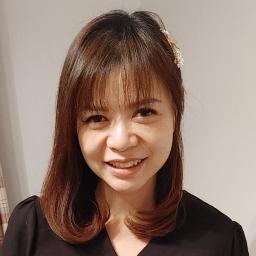
United Kingdom · 18 yrs exp
Compassionate counsellor helping people find inner strength
Stress, Anxiety · Relationship · Family · Intimacy-related issues · +13 more
Read profile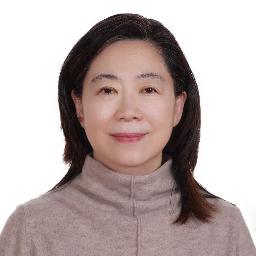
United Kingdom · 10 yrs exp
Compassionate counsellor for practical change
Stress, Anxiety · Relationship · Trauma and abuse · Anger · +9 more
Read profile
United Kingdom · 5 yrs exp
Calm, pragmatic therapy for everyday struggles
Stress, Anxiety · Relationship · Intimacy-related issues · Anger · +11 more
Read profile
United Kingdom · 6 yrs exp
Compassionate practical counselling for life changes
Stress, Anxiety · Family · Grief · Self esteem · +11 more
Read profile
United Kingdom · 11 yrs exp
Focus on steady change and clearer relationships
Stress, Anxiety · Relationship · Anger · Depression · +16 more
Read profile
Australia · 10 yrs exp
Practical therapy that values culture and clarity
Relationship · Sleeping · Self esteem · Career · +1 more
Read profile
United Kingdom · 3 yrs exp
Gentle psychodynamic counsellor with cultural awareness
Stress, Anxiety · Trauma and abuse · Sleeping · Anger · +15 more
Read profile
United Kingdom · 3 yrs exp
Compassionate relational counsellor for life transitions
Relationship · Family · Trauma and abuse · Grief · +11 more
Read profile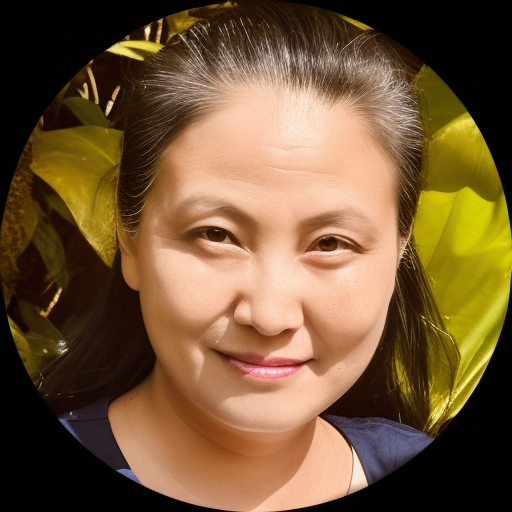
Hawaii · 5 yrs exp
Calm, practical therapy for life transitions
Stress, Anxiety · Grief · Self esteem · Depression · +2 more
Read profile
Australia · 6 yrs exp
Practical support for anxiety and grief
Stress, Anxiety · Trauma and abuse · Grief · Self esteem · +1 more
Read profile
Australia · 5 yrs exp
Practical, culturally aware counselling for adults
Stress, Anxiety · Relationship · Trauma and abuse · Self esteem · +1 more
Read profile
Oklahoma · 9 yrs exp
Practical therapy with compassionate guidance
Stress, Anxiety · Relationship · Trauma and abuse · Parenting · +15 more
Read profile
Illinois · 12 yrs exp
Narrative and collaborative counseling for change
LGBT · Trauma and abuse · Parenting · Self esteem · +12 more
Read profile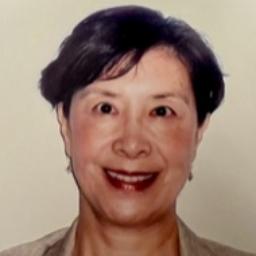
New Jersey · 22 yrs exp
Compassionate bilingual LCSW combining practical therapy
Anger · Career · Bipolar · Coping with life changes · +14 more
Read profile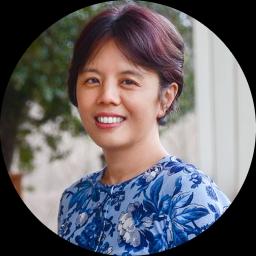
Maryland · 21 yrs exp
Culturally aware counselor guiding practical change
Stress, Anxiety · Relationship · Self esteem · Career · +8 more
Read profile
Pennsylvania · 14 yrs exp
Calm, practical support for life changes
Stress, Anxiety · Relationship · Trauma and abuse · Grief · +12 more
Read profile
New York · 23 yrs exp
Culturally aware mental health counselor
Stress, Anxiety · Addictions · Career · Depression · +10 more
Read profile
Wisconsin · 5 yrs exp
Compassionate therapist for multicultural challenges
Stress, Anxiety · Relationship · Family · Trauma and abuse · +5 more
Read profile
United Kingdom · 12 yrs exp
Compassionate, human-centred counselling for life changes
Stress, Anxiety · Relationship · Trauma and abuse · Career · +11 more
Read profile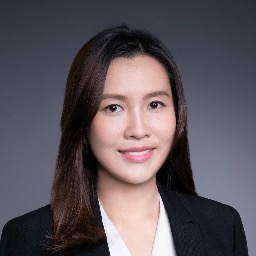
United Kingdom · 3 yrs exp
Understanding help for relationship and parenting stress
Family · Parenting · Stress, Anxiety · Relationship · +2 more
Read profile
Hawaii · 16 yrs exp
Calm, practical care for complex life challenges
Stress, Anxiety · LGBT · Relationship · Trauma and abuse · +11 more
Read profile
Texas · 4 yrs exp
Calm, practical counseling with multicultural awareness
Stress, Anxiety · Trauma and abuse · Eating · Self esteem · +16 more
Read profileWhen you meet with a therapist who speaks Mandarin, you often gain the ability to use idioms, familial terms, and culturally specific expressions that may not translate cleanly into another tongue. That precision matters because emotional language is layered - metaphors, tone, and historical context all shape how you describe what you are feeling. Speaking in Mandarin can reduce the effort of translation in-session, allowing you to focus on the experience itself rather than hunting for words. That can make it easier to discuss childhood memories, interpersonal conflicts, and cultural expectations in the detail you intend.
Language is bound up with culture. Beyond vocabulary, Mandarin carries patterns of politeness, ways of addressing elders, and assumptions about family roles that influence how problems are framed. When your therapist understands these patterns, conversation can reflect that context rather than flattening it. That does not mean every session will be the same - therapists come from diverse backgrounds and orientations - but having Mandarin as a shared medium gives you a foundation to explore culturally linked issues like filial duty, intergenerational expectations, immigration narratives, or bicultural identity with less translation work.
Language barriers can shape which emotions you can easily access and share. Some feelings may be encoded in idioms or family terms that lack direct equivalents, and the act of translating can attenuate intensity or alter meaning. If you are trying to explain shame, pride, or relational obligations, the subtle differences in phrasing matter. You may notice that certain memories feel distant or that humor and sarcasm do not land the same way when filtered through a second language. These differences are not a reflection of your experiences but of the limits of cross-language expression.
Communication mismatches can also affect rapport. Misinterpreted tone, cultural references that are unfamiliar to a therapist, or different conversational rhythms can lead to misunderstandings about priorities or goals. When you work with a Mandarin-speaking therapist, you reduce some of the friction that arises from these mismatches. That can free more session time for meaningful exploration rather than for correcting or explaining language-based gaps. It also supports clearer discussion about culturally shaped coping strategies and family interactions that are central to many people's concerns.
Online therapy in Mandarin often follows a familiar rhythm - introductions, goal-setting, exploration, and reflection - but the virtual format changes some practicalities. You can expect to use a video or phone connection to speak in Mandarin from your own environment, which can make it easier to include family context or immediate concerns. Sessions may involve translating terms between languages when bilingual family members are present, or they may focus strictly on your Mandarin expression. Many therapists note that online work can bring cultural details into view because you are meeting from the setting where daily life happens.
Because the interaction happens through a screen, clarity of audio and a stable connection can influence how natural the conversation feels. If you prefer specific dialectal terms, colloquialisms, or regional usages, it is helpful to mention that early so your therapist can match your style. Online sessions also allow you to choose a setting that feels comfortable for you at home or elsewhere. That choice matters when cultural practices around visiting mental health providers affect how you want to be seen or who might be around during a session.
Many Mandarin speakers navigate cultural ideas about mental health that emphasize endurance, family reputation, or practical problem-solving over emotional disclosure. You may worry about how seeking help will be perceived by relatives or about naming difficulties in a family that values harmony. These concerns are normal and often become a central topic in therapy, where you can explore how to balance cultural obligations with personal needs. Therapists who understand Mandarin-language norms can help you frame conversations about boundaries, caregiving roles, or intergenerational change in ways that respect your context.
Another common challenge is locating a therapist who matches your preferred approach, cultural perspective, or background. You may wish to work with someone who shares certain life experiences or who lists specific methods among their approaches. On directory pages you can look for profiles that describe cultural focus, listed modalities, languages spoken, and education or licensure acronyms. If you are interested in particular techniques, you can search for therapists who list CBT, psychodynamic work, family therapy, mindfulness-based approaches, or therapists who list EMDR among their approaches. Keep in mind that a listed approach indicates that the therapist uses that method in practice rather than confirming any particular certification beyond what their profile states.
Online therapy broadens the pool of Mandarin-speaking providers you can consider. When you search beyond your immediate neighborhood, you may find clinicians who share your cultural background, dialect, or therapeutic orientation. That can be especially helpful if you live in an area with fewer Mandarin-language services. The virtual format also offers scheduling flexibility and reduces travel time, which can make it easier to maintain consistent sessions while balancing work, family, or study commitments.
Start by clarifying what matters most to you. Do you want a therapist who understands specific cultural rituals, family structures, or immigration experiences? Are you interested in a clinician who lists particular approaches among their tools? Look at profiles to learn about described cultural focus, listed therapeutic modalities, professional credentials, and how therapists describe their work. Read introductory statements to see who writes in a voice that feels relatable. If you have questions about process, session structure, or focus areas, you can use profile contact options to ask about those topics before committing time. Also think about practical matters like session format - video or phone - and whether you prefer a therapist who frequently uses Mandarin for clinical terms or one who mixes languages. Choosing someone who feels culturally attuned and linguistically comfortable for you often matters more than any single credential.
Seeking therapy in Mandarin can change the shape of your care by giving you a fuller range of expression and cultural resonance. Whether you are addressing anxiety, relationship issues, life transitions, or family dynamics, speaking in your native language can make it easier to explore subtle feelings and long-standing patterns. Use the directory to compare profiles, read how therapists describe their cultural focus and approaches, and reach out with questions that matter to you. Taking the first step of finding someone who communicates in Mandarin can open the door to deeper understanding and clearer communication in therapy.