
Dr. Daniella Jackson
LMHCFlorida · 20 yrs exp
Experienced counselor focusing on addiction and life changes
Stress, Anxiety · Addictions · Relationship · Self esteem · +16 more
Read profileTherapist listings are provided by BetterHelp. We will earn a commission at no additional cost to you if you use our links to purchase.
Visitors can compare profiles of therapists listed under Florida who note cultural identity and multicultural concerns among their focus areas. Use this page to review languages, focus areas, credentials and therapeutic style.
Always check the individual profile and confirm that a therapist has permission to work with you where you live before contacting them.
Florida · 20 yrs exp
Experienced counselor focusing on addiction and life changes
Stress, Anxiety · Addictions · Relationship · Self esteem · +16 more
Read profile
Florida · 25 yrs exp
Compassionate counselor for trauma and relationships
Relationship · Trauma and abuse · Grief · Anger · +12 more
Read profile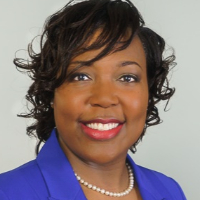
Florida · 10 yrs exp
Compassionate counselor for life transitions
Relationship · Family · Self esteem · Depression · +4 more
Read profile
Florida · 10 yrs exp
Therapist focused on practical change
Stress, Anxiety · Addictions · Family · Grief · +8 more
Read profile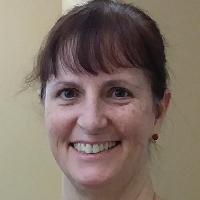
Florida · 32 yrs exp
Therapist focused on relational healing
Stress, Anxiety · Addictions · Relationship · Family · +13 more
Read profile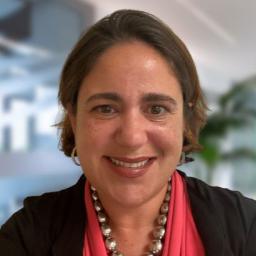
Florida · 20 yrs exp
Compassionate counselor for life’s complex challenges
Addictions · Relationship · Trauma and abuse · Parenting · +14 more
Read profile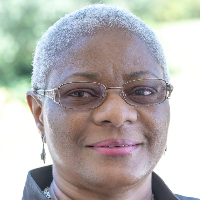
Florida · 19 yrs exp
Guided, values-based therapy with practical tools
Stress, Anxiety · Family · Grief · Depression · +12 more
Read profile
Florida · 14 yrs exp
Experienced LCSW focused on practical change
Stress, Anxiety · Trauma and abuse · Grief · Self esteem · +13 more
Read profile
Florida · 20 yrs exp
Calm, experienced counselor focused on practical change
Stress, Anxiety · Grief · Self esteem · Depression · +9 more
Read profile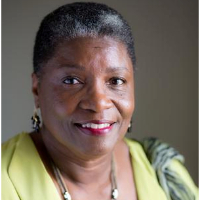
Florida · 12 yrs exp
Compassionate, practical counseling support
Stress, Anxiety · Addictions · Parenting · Depression · +8 more
Read profile
Florida · 13 yrs exp
Calm, collaborative therapist focused on practical change
Stress, Anxiety · Self esteem · Depression · Coping with life changes · +7 more
Read profile
Florida · 28 yrs exp
Compassionate, practical therapy for life challenges
Stress, Anxiety · Addictions · Trauma and abuse · Self esteem · +13 more
Read profile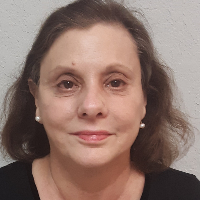
Florida · 32 yrs exp
Practical, flexible therapy grounded in experience
Stress, Anxiety · Trauma and abuse · Grief · Depression · +14 more
Read profile
Florida · 35 yrs exp
Experienced counselor blending clinical care and faith
Stress, Anxiety · Family · Grief · Eating · +16 more
Read profile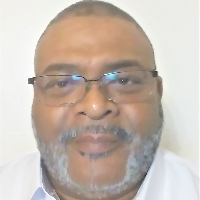
Florida · 5 yrs exp
Compassionate, practical support for life challenges
Addictions · Relationship · Self esteem · Depression · +13 more
Read profile
Florida · 16 yrs exp
Practical, research-informed support for life challenges
Stress, Anxiety · Relationship · Parenting · Self esteem · +8 more
Read profile
Florida · 20 yrs exp
Compassionate counselor focusing on practical growth
Stress, Anxiety · Addictions · Relationship · Intimacy-related issues · +14 more
Read profile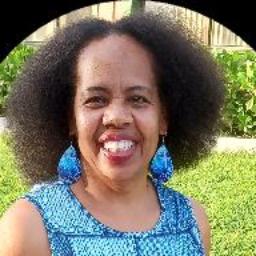
Florida · 11 yrs exp
Calm, practical support for everyday challenges
Stress, Anxiety · Addictions · Relationship · Parenting · +1 more
Read profile
Florida · 10 yrs exp
Helping people find practical emotional skills
Stress, Anxiety · Addictions · Relationship · Anger · +7 more
Read profile
Florida · 11 yrs exp
Calm listener guiding meaningful change
Stress, Anxiety · Trauma and abuse · Grief · Depression · +8 more
Read profile
Florida · 22 yrs exp
Experienced Florida LCSW focused on practical support
Addictions · Relationship · Trauma and abuse · Intimacy-related issues · +4 more
Read profile
Florida · 30 yrs exp
Warm, practical therapy for real-life problems
Stress, Anxiety · Family · Trauma and abuse · Parenting · +14 more
Read profile
Florida · 12 yrs exp
Compassionate counseling with practical steps
Stress, Anxiety · Trauma and abuse · Anger · Self esteem · +1 more
Read profileWhen you search for help related to cultural identity or multicultural concerns you may be thinking about experiences such as migration, the process of acculturation, pushing against family expectations, or the effects of discrimination and not feeling understood. These experiences can show up as questions about belonging, tensions across generations, grief over loss of homeland or language, or chronic stress from microaggressions and overt bias. You may also be exploring how faith, gender, sexual orientation, or ethnic background shape your sense of self and relationships. Profiles that list these concerns indicate therapists who include them among topics they address, but that listing is not evidence of specialty certification or a particular training level.
As you read profiles, look for language that resonates with your priorities. Some therapists emphasize working with migration and resettlement, others highlight intergenerational family expectations or navigating bicultural identity. The wording on a profile can help you identify clinicians who mention the themes most relevant to your experience. Keep in mind that a therapist listing a focus does not automatically mean they share your background. If shared lived experience is important to you, note the languages they list and any descriptive details in the profile, and plan to ask about that directly when you contact them.
The profiles on this Florida page are grouped by a listed location. That grouping helps you find profiles associated with the state but does not confirm a physical office or ongoing in-person presence. Profiles may belong to professionals based in the United States, the United Kingdom, or Australia. Each of those countries uses different terminology for permission to practise. In the United States you will commonly see state licenses such as those held by clinical social workers, professional counselors, marriage and family therapists, or psychologists. In the United Kingdom and Australia you will often see registration or membership with national or regional bodies. Academic degrees such as PhD, PsyD, MD, MA, or MSW are distinct from licenses or registration, and a degree alone does not establish current permission to practice in a given jurisdiction.
Because profiles do not standardize regulatory information across countries, confirm the credential details shown on an individual profile and ask the clinician whether they are permitted to work with you in your location. That is especially important if you plan to meet online from a different state, country, or territory. The directory groups profiles by listed location for ease of browsing, but final confirmation about where a clinician can legally and ethically provide care belongs to you and the therapist you choose.
When you find profiles that look relevant, prepare specific questions to compare how clinicians describe their work. Ask how long they have worked with people who share your situation - for example migrants from your region, second-generation families negotiating expectations across generations, or clients coping with discrimination-related stress. Ask what they mean when they list a particular focus area. For instance, if a profile lists acculturation stress or intergenerational family expectations, ask for examples of themes they commonly address and how they support clients through those dynamics.
Profiles often list therapeutic approaches and you can use that as a starting point for conversation. Therapists who list cognitive-behavioral approaches, narrative work, or trauma-informed practices among their approaches may use those frameworks in different ways. Rather than assuming a name on a profile guarantees a specific experience, ask clinicians to describe how they apply their listed approaches to cultural identity concerns. Ask whether they work with cultural practices, ceremonies or community values as part of therapy, and how they handle situations when their perspective and a client’s cultural values differ. These focused questions help you gauge whether a clinician’s style and experience match what you want to explore.
If you are considering remote sessions from Florida or another location, there are important practical and ethical topics to discuss before beginning. Confirm that the clinician has permission to work with clients in your jurisdiction. Ask about how they handle emergencies when a client is in a different state or country, and what local resources they recommend if urgent support is needed. Discuss the language you will use in sessions and whether the therapist conducts therapy in that language or uses an interpreter. Clarify their approach to safeguarding your personal information and how they document sessions so you understand record keeping and access to your notes.
Because cultural issues can involve family members, community leaders, or faith contexts, ask how the therapist navigates information-sharing boundaries boundaries in those situations and whether they have experience discussing cultural practices respectfully. If cultural or religious rituals are important to you, talk about how those might be integrated into your work together. Also ask about practical matters such as session length, communication preferences between sessions, and how they structure goals and progress. These conversations set expectations and help you decide whether a profile aligns with your needs before you move forward.
Comparing profiles effectively means looking at several dimensions together rather than relying on a single label. Start by noting the focus areas that matter most to you - for example cultural identity, migration and resettlement, intergenerational expectations, or stress from discrimination. Then compare the languages listed on profiles, because language can shape nuance and cultural reference points in session. Consider the degrees and professional permissions shown, remembering that academic degrees are not the same as a current license or registration. Where profiles indicate a country, look for language about whether the clinician offers care to people in different states or nations and confirm permission to work where you live.
Therapeutic style is another important factor. Some clinicians emphasize an active, problem-focused approach while others describe a reflective, exploratory style. Profiles may mention working with families or individuals, but a listed topic does not establish that a clinician treats children, couples, or families, so ask directly about the populations they work with. Finally, use the profile descriptions to form targeted questions that will clarify fit: inquire about examples of culturally informed interventions they have used, how they address value conflicts, and how they measure progress in culturally relevant ways. Taking time to compare these aspects across several profiles helps you make an informed choice about which clinicians to contact and what to discuss in an initial conversation.
As you explore profiles listed in Florida, remember that the directory groups clinicians by their listed location to help you search. Confirming licensing, registration, language proficiency, and permission to work in your jurisdiction is a step you take with each clinician. By asking specific questions about experience with migration, intergenerational expectations, discrimination stress, and cultural identity, you can find a match that aligns with the particular issues you want to address.
Attachment Issues
3898 therapists
Blended Family Issues
3343 therapists
Career
3685 therapists
Communication Problems
5114 therapists
Coping with Life Changes
5065 therapists
Family
4525 therapists
Family of Origin Issues
3322 therapists
Life Purpose
4954 therapists
Parenting
3768 therapists
Relationship
5165 therapists
Workplace Issues
4189 therapists