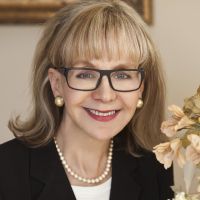
Anne Douglas
LMFTNorth Carolina · 25 yrs exp
Compassionate therapist for complex life challenges
Stress, Anxiety · Relationship · Family · Grief · +15 more
Read profileTherapist listings are provided by BetterHelp. We will earn a commission at no additional cost to you if you use our links to purchase.
Compare profiles listed under the North Carolina location to find clinicians who note cultural identity and multicultural concerns among their focus areas. Browse profiles to review focus areas, languages, academic degrees and approaches before reaching out.
North Carolina · 25 yrs exp
Compassionate therapist for complex life challenges
Stress, Anxiety · Relationship · Family · Grief · +15 more
Read profile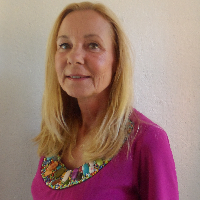
North Carolina · 30 yrs exp
Practical, trauma-informed therapy with warmth
Relationship · Parenting · Anger · Stress, Anxiety · +5 more
Read profile
North Carolina · 10 yrs exp
Faith-informed social worker focused on whole-person healing
Stress, Anxiety · Relationship · Family · Bipolar · +16 more
Read profile
North Carolina · 18 yrs exp
Person-focused counseling with practical skills
Stress, Anxiety · Addictions · Trauma and abuse · Anger · +13 more
Read profile
North Carolina · 15 yrs exp
Warm, practical counseling for life changes
Stress, Anxiety · Relationship · Anger · Depression · +12 more
Read profile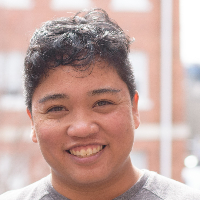
North Carolina · 10 yrs exp
Body-aware counselor blending movement and mindfulness
Stress, Anxiety · LGBT · Relationship · Coping with life changes · +13 more
Read profile
North Carolina · 8 yrs exp
Compassionate, practical therapy for everyday challenges
Stress, Anxiety · Trauma and abuse · Parenting · Anger · +8 more
Read profile
North Carolina · 13 yrs exp
Experienced counselor offering practical support
Stress, Anxiety · Addictions · Intimacy-related issues · Depression · +10 more
Read profile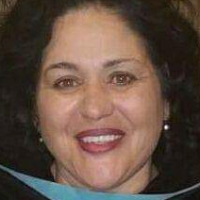
North Carolina · 20 yrs exp
Calm, practical support for life challenges
Stress, Anxiety · Parenting · Self esteem · Depression · +15 more
Read profile
North Carolina · 15 yrs exp
Compassionate, practical therapy for life changes
LGBT · Relationship · Family · Parenting · +7 more
Read profile
North Carolina · 5 yrs exp
Supportive counselor for stress and relationships
Stress, Anxiety · Family · Trauma and abuse · Depression · +15 more
Read profile
North Carolina · 10 yrs exp
Compassionate, practical therapy for life challenges
Stress, Anxiety · Relationship · Trauma and abuse · Self esteem · +11 more
Read profile
North Carolina · 48 yrs exp
Experienced LCMHC focused on practical support
Relationship · Family · Grief · Intimacy-related issues · +11 more
Read profile
North Carolina · 7 yrs exp
Practical, compassionate support for everyday struggles
Stress, Anxiety · Self esteem · Trauma and abuse · Grief · +4 more
Read profile
North Carolina · 8 yrs exp
Practical, trauma-informed counseling with life experience
Stress, Anxiety · Addictions · Family · Trauma and abuse · +8 more
Read profile
North Carolina · 11 yrs exp
Compassionate counseling with practical steps
Stress, Anxiety · Addictions · Relationship · Parenting · +12 more
Read profile
North Carolina · 14 yrs exp
Compassionate therapist focused on relationships and healing
Stress, Anxiety · Relationship · Family · Trauma and abuse · +9 more
Read profile
North Carolina · 14 yrs exp
Compassionate, practical therapy for life transitions
Stress, Anxiety · Addictions · Self esteem · Depression · +11 more
Read profile
North Carolina · 23 yrs exp
Guided, experience-based care for complex challenges
Stress, Anxiety · Addictions · Trauma and abuse · Grief · +14 more
Read profile
North Carolina · 17 yrs exp
Compassionate counselor for life transitions
Stress, Anxiety · Addictions · Relationship · Family · +16 more
Read profile
North Carolina · 14 yrs exp
Experienced marriage and family therapist
Relationship · Trauma and abuse · Intimacy-related issues · Parenting · +5 more
Read profile
North Carolina · 14 yrs exp
Compassionate, practical therapy focused on goals
Stress, Anxiety · Relationship · Family · Grief · +12 more
Read profileWhen cultural identity and multicultural concerns are central to what you want to address, you are often navigating layers of experience that go beyond a single presenting problem. You may be thinking about migration and acculturation - the practical and emotional work of adapting to a new setting - alongside family expectations that span generations. You may also be carrying stress from discrimination, microaggressions, or feeling unseen in mainstream care. All of these experiences shape the questions you might ask a clinician, and they affect what you need from a therapeutic relationship.
You should look for profiles that describe focus areas relevant to your lived experience, but remember that a listed focus is not proof of shared background or specific preparation. The way a clinician writes about their work can give you clues about how they approach these topics. Look for language that emphasizes listening to cultural context, willingness to explore family and community expectations, and attention to how discrimination or identity stress shows up in daily life. Those signals matter when you are trying to find someone who aims to understand the cultural dimensions of your concerns.
The directory groups profiles under a listed location of North Carolina, but that grouping does not guarantee an office in the state or current permission to practice there. You should check each individual profile and confirm whether the clinician is permitted to work with people where you live. If you plan to meet in person or to receive online care from within North Carolina, ask the clinician directly about their legal ability to provide services in your jurisdiction.
Academic degrees and professional permissions are different things. Degrees such as PhD, PsyD, MD, MA and MSW tell you about education. Licenses and registrations indicate permission to practice in a given country or state. In the United States look for state licensing categories such as clinical psychologists, social workers, counselors or marriage and family therapists. In the United Kingdom and Australia clinicians may list professional registrations or memberships rather than a US-style license. A degree alone does not establish current permission to practice, so confirm both the credential and the current right to provide care where you are.
Prepare concrete questions that help you compare how clinicians describe their ways of working and their experience with cultural concerns. For example, you can ask how they have worked with migration and acculturation issues in the past, what experience they have supporting people managing intergenerational family expectations, and how they address stress related to discrimination or marginalization. Ask whether they have experience working with communities or languages that matter to you, and if so, what that experience looked like in practice.
You can also ask about the kinds of approaches a clinician lists. Some therapists list cognitive-behavioral, psychodynamic, narrative, or somatic approaches. You should ask what those approaches mean in their practice and how they adapt them to cultural context. Use phrasing such as "I see you list narrative approaches among your approaches - how would you use that when someone brings cultural identity issues?" That keeps the conversation focused on fit rather than assuming a particular method will be used. Avoid asking whether someone is "the best" for you; instead ask for concrete examples of how they have supported people with similar concerns.
If you are considering online care, bring up practical and ethical points early so you know what to expect. Confirm whether the clinician is permitted to provide care to people located in North Carolina and ask where their listed location applies. Discuss your communication preferences and any language interpretation needs, and ask how they handle cultural considerations during remote sessions. It is appropriate to ask about emergency planning - for example, what steps they recommend if you need immediate help and who you can contact locally.
Talk about how they approach cultural fit and rapport across distance. You can ask how they check in about cultural assumptions, whether they have experience following up on issues that arise between sessions, and how they involve family expectations if that is relevant to you. If you require an interpreter or accommodations, raise that before you begin so the clinician can explain how those needs will be managed. Finally, confirm the scope of their practice by asking whether they work with adults, adolescents, couples or families so there are no surprises about whether your concerns fall within their practice.
When you compare profiles, give attention to four practical dimensions: the focus areas they list, the languages they speak, the credentials and permissions they display, and the interpersonal style described in their profile. Read the language they use to describe cultural identity and multicultural concerns - do they name migration, acculturation, intergenerational dynamics, or discrimination-related stress? Profiles that mention those topics directly can make it easier to identify clinicians who intend to address them.
Language ability matters when your native language is not English or when you want to talk about culture in a particular tongue. Check profiles for languages the clinician lists and, if language is crucial, ask whether they conduct sessions in that language or work with an interpreter. Look closely at credentials and registrations and remember to distinguish degrees from permission to practice. A clinician may list a PhD or MSW alongside licensure, registration, or membership in a professional body - ask for clarification about what each item means in terms of where they can provide care.
Style is often communicated through tone and detail. Some clinicians emphasize reflective exploration of identity, others emphasize practical coping strategies for discrimination-related stress, and others focus on family systems and intergenerational patterns. You might frame comparison questions such as "How do you help people navigate family expectations while honoring their cultural identity?" or "Can you describe your experience supporting people who have emigrated in the last few years?" Those kinds of questions give you a clearer sense of who might be a good conversational fit.
As you review profiles listed for North Carolina, remember to check each individual profile and confirm permission to work together where you live. Use the profile details to form specific questions, and prioritize clinicians who communicate clearly about their approach to cultural identity, migration, family expectations, discrimination stress and language. Taking these steps helps you make a more informed choice about who to contact from the directory.
Attachment Issues
3898 therapists
Blended Family Issues
3343 therapists
Career
3685 therapists
Communication Problems
5114 therapists
Coping with Life Changes
5065 therapists
Family
4525 therapists
Family of Origin Issues
3322 therapists
Life Purpose
4954 therapists
Parenting
3768 therapists
Relationship
5165 therapists
Workplace Issues
4189 therapists