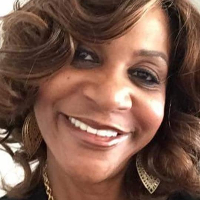
Celeste Bozeman
LPCCOhio · 18 yrs exp
Warm, practical counseling with coaching elements
Stress, Anxiety · Trauma and abuse · Grief · Anger · +11 more
Read profileTherapist listings are provided by BetterHelp. We will earn a commission at no additional cost to you if you use our links to purchase.
Use the Ohio listings to compare therapists who list multicultural concerns and cultural identity among their focus areas. Browse profiles to review focus areas, languages, academic degrees, and therapeutic approaches before contacting a clinician.
Ohio · 18 yrs exp
Warm, practical counseling with coaching elements
Stress, Anxiety · Trauma and abuse · Grief · Anger · +11 more
Read profile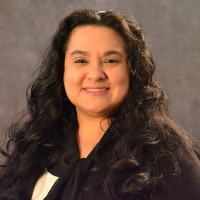
Ohio · 11 yrs exp
Compassionate care for stress and life change
Stress, Anxiety · Grief · Self esteem · Depression · +10 more
Read profile
Ohio · 14 yrs exp
Practical, compassionate therapy for life changes
Stress, Anxiety · Addictions · Relationship · Family · +9 more
Read profile
Ohio · 13 yrs exp
Trusted Ohio therapist focused on practical growth
Stress, Anxiety · Relationship · Family · Parenting · +13 more
Read profile
Ohio · 25 yrs exp
Straightforward, experienced counselor focused on practical change
Stress, Anxiety · Relationship · Trauma and abuse · Depression · +10 more
Read profile
Ohio · 13 yrs exp
Compassionate therapist for life transitions
Stress, Anxiety · Depression · Coping with life changes · Addictions · +8 more
Read profile
Ohio · 20 yrs exp
Experienced Ohio social worker for addictions and trauma
Addictions · Trauma and abuse · Self esteem · Coping with life changes · +9 more
Read profile
Ohio · 33 yrs exp
Experienced counselor focusing on practical change
Stress, Anxiety · LGBT · Family · Trauma and abuse · +15 more
Read profile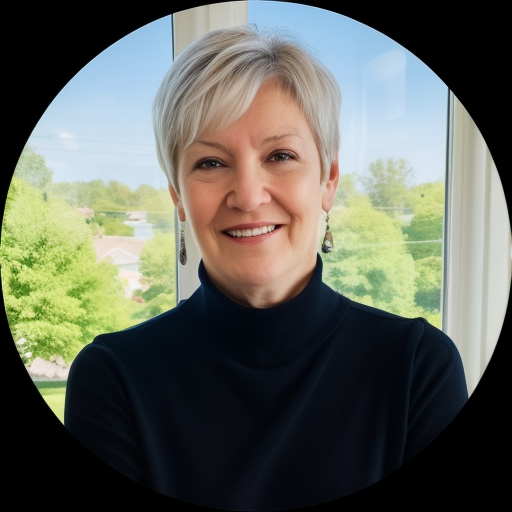
Ohio · 24 yrs exp
Supportive counseling for life transitions
Stress, Anxiety · Trauma and abuse · Grief · Depression · +10 more
Read profile
Ohio · 19 yrs exp
Compassionate, practical therapy for everyday struggles
Stress, Anxiety · Addictions · Family · Depression · +15 more
Read profile
Ohio · 7 yrs exp
Practical, respectful counseling for life’s hard moments
Stress, Anxiety · Trauma and abuse · Self esteem · Depression · +9 more
Read profile
Ohio · 4 yrs exp
Calm, practical support for life transitions
Stress, Anxiety · Trauma and abuse · Grief · Depression · +1 more
Read profile
Ohio · 10 yrs exp
Practical support for addiction and healing
Addictions · Relationship · Trauma and abuse · Self esteem · +1 more
Read profile
Ohio · 8 yrs exp
Calm guidance for real-life challenges
Stress, Anxiety · Relationship · Self esteem · Depression · +3 more
Read profile
Ohio · 5 yrs exp
Therapist blending practical therapy and spiritual care
Stress, Anxiety · Family · Trauma and abuse · Self esteem · +1 more
Read profile
Ohio · 25 yrs exp
Compassionate social worker focused on practical change
Stress, Anxiety · Trauma and abuse · Self esteem · Depression · +8 more
Read profile
Ohio · 25 yrs exp
Compassionate counselor with practical tools
Stress, Anxiety · LGBT · Relationship · Self esteem · +16 more
Read profile
Ohio · 22 yrs exp
Experienced counselor focused on recovery and resilience
Stress, Anxiety · Addictions · Self esteem · Depression · +16 more
Read profile
Ohio · 14 yrs exp
Practical support for life transitions and stress
Stress, Anxiety · Parenting · Self esteem · Depression · +9 more
Read profile
Ohio · 22 yrs exp
Compassionate psychologist focusing on practical progress
Stress, Anxiety · Relationship · Trauma and abuse · Bipolar · +16 more
Read profile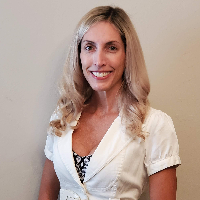
Ohio · 19 yrs exp
Compassionate counselor focusing on meaningful change
Stress, Anxiety · Relationship · Grief · Intimacy-related issues · +14 more
Read profile
Ohio · 18 yrs exp
Trauma-informed support for everyday life
Stress, Anxiety · Family · Trauma and abuse · Depression · +9 more
Read profile
Ohio · 12 yrs exp
Calm, practical counseling for everyday challenges
Stress, Anxiety · Relationship · Self esteem · Depression · +15 more
Read profileWhen you’re looking for help with cultural identity, migration and acculturation, intergenerational expectations, or stress from discrimination, you want to feel understood and respected. Those experiences shape how you describe your needs, the examples you bring to sessions, and the kinds of strategies that feel relevant to you. In Ohio, people arrive from many backgrounds and life paths - from recent arrivals navigating language and systems to families negotiating different generational expectations. You may be seeking a therapist who can recognize cultural norms that influence family roles, schooling, work expectations, religious practice, or how grief and resilience are expressed. Describing these concerns clearly on a profile helps you compare who lists similar focus areas, but a listed interest is not proof of a particular certification or a shared background. Treat the profile as a starting point to begin a conversation about your needs.
Profiles grouped under Ohio indicate the listed location associated with a clinician but do not guarantee a physical office in every city or legal permission to work with every resident. You should check each individual profile and confirm permission to work together where you live. In the United States, the term that indicates legal permission to practice is typically a state license. In the United Kingdom and Australia you will sometimes see wording about registration or professional membership; those are distinct systems and do not equate to U.S. licensing. Academic degrees such as PhD, PsyD, MD, MA, or MSW describe a clinician’s educational background but do not by themselves establish current permission to practice. When you read a profile, look for clear statements about the clinician’s work authorizations or regional registration, and ask directly if you are unsure. Also remember that a listed focus area does not prove a therapist works with children, couples, or families; those are separate scopes of practice to discuss with the clinician.
When you reach out to a therapist, concrete questions will give you clearer comparisons than general impressions. Ask about the types of cultural questions they commonly address in their work and whether they have experience with situations similar to yours, such as navigating bicultural identity, supporting first-generation adults, or coping with workplace discrimination. You can inquire how they describe acculturation and whether they help clients balance multiple cultural expectations. If a therapist lists specific approaches, phrase your question in a way that reflects that wording - for example, you might say "I see you list EMDR among your approaches; can you describe how you use that approach with migration-related trauma?" or "You note CBT; how do you adapt CBT to honor cultural values in therapy?" Those formulations avoid assuming formal certification while inviting explanation. Also ask how they integrate cultural background into goal-setting and what indicators they use to reassess whether a particular approach is helping you feel understood. Direct, practical questions will help you compare responses across profiles and decide who feels like the best conversational fit.
If you are considering remote sessions, there are specific items to confirm before beginning. Ask whether the clinician has permission to provide care to someone residing in the state where you live, and if anything on their profile is unclear, request a direct explanation. Discuss communication preferences - whether you will use video, phone, or text-based messaging - and how appointments will be scheduled and documented. It is reasonable to discuss how the clinician handles emergencies or urgent needs when you are not in the same location, and to ask what backup resources they recommend locally. If language is important to you, confirm which languages the therapist offers and whether an interpreter might be used; a profile that lists additional languages can point you to clinicians who may speak your preferred language, but you should verify that detail directly. Finally, talk about how cultural topics will be framed in the work and whether there are any particular boundaries or expectations you should know about before you start.
Comparing profiles involves looking at several dimensions at once rather than relying on a single label. Start with focus areas - see who lists multicultural concerns, cultural identity, migration-related stress, intergenerational conflict, or discrimination among their areas of work. Then compare the languages each clinician lists and think about whether you prefer a therapist who communicates in your native language or who has experience working with interpreters. Look at academic degrees and any stated registrations or licenses and remember to treat degrees and permissions to practice as separate facts. Read profile descriptions for how clinicians describe their therapeutic style. Some people prefer a clinician who emphasizes practical skills and coping strategies, while others value reflective exploration of identity and family history. Ask specific questions about style, such as how they structure sessions, how they set goals together, and how they respond if you bring up a culturally sensitive topic that they have not encountered before. If a profile mentions particular approaches, you can ask how often those approaches are used and in what kinds of situations, noting that listing an approach on a profile is not evidence of specialized certification.
Above all, use profiles as tools to narrow your options, then reach out with clear questions before making a decision. Confirm the listed location details and permission to work with you where you live, and ask about language, therapeutic style, and experience with the issues that matter most to you. Thoughtful comparison will help you identify a clinician whose communication and approach align with your cultural needs and expectations.
Attachment Issues
3898 therapists
Blended Family Issues
3343 therapists
Career
3685 therapists
Communication Problems
5114 therapists
Coping with Life Changes
5065 therapists
Family
4525 therapists
Family of Origin Issues
3322 therapists
Life Purpose
4954 therapists
Parenting
3768 therapists
Relationship
5165 therapists
Workplace Issues
4189 therapists