
Jessica Stern
NH Psychologist 937New Hampshire · 30 yrs exp
Practical therapy grounded in life and culture
Stress, Anxiety · Relationship · Trauma and abuse · Grief · +9 more
Read profileTherapist listings are provided by BetterHelp. We will earn a commission at no additional cost to you if you use our links to purchase.
This page groups therapist profiles with a listed location in New Hampshire who note cultural identity and multicultural concerns among their focus areas. Use the profile filters to compare languages, approaches, credentials and experience, and browse profiles to contact someone who may match your needs.
New Hampshire · 30 yrs exp
Practical therapy grounded in life and culture
Stress, Anxiety · Relationship · Trauma and abuse · Grief · +9 more
Read profile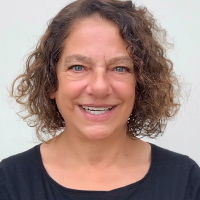
New Hampshire · 7 yrs exp
Trauma-informed, person-centered care
Trauma and abuse · Grief · Intimacy-related issues · Self esteem · +15 more
Read profile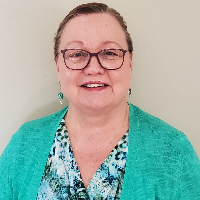
New Hampshire · 19 yrs exp
Cultural psychologist with a practical focus
Stress, Anxiety · Family · Trauma and abuse · Self esteem · +12 more
Read profile
New Hampshire · 20 yrs exp
Practical, trauma-aware therapy focused on goals
Family · Trauma and abuse · Parenting · Coping with life changes · +12 more
Read profile
New Hampshire · 18 yrs exp
Practical steps to move past feeling stuck
Stress, Anxiety · Relationship · Family · Grief · +11 more
Read profile
New Hampshire · 30 yrs exp
Experienced LCMHC focused on practical support
Stress, Anxiety · Trauma and abuse · Self esteem · Bipolar · +11 more
Read profile
New Hampshire · 10 yrs exp
Supportive LCMHC helping people find steady progress
Stress, Anxiety · Family · Trauma and abuse · Depression · +11 more
Read profile
New Hampshire · 27 yrs exp
Experienced LCSW helping people through life challenges
Stress, Anxiety · Addictions · Trauma and abuse · Grief · +14 more
Read profile
New Hampshire · 15 yrs exp
Practical, compassionate support for life’s big stresses
Stress, Anxiety · LGBT · Trauma and abuse · Grief · +1 more
Read profile
New Hampshire · 10 yrs exp
Licensed social worker focused on practical change
Stress, Anxiety · Career · Depression · Addictions · +12 more
Read profile
New Hampshire · 29 yrs exp
Experienced counselor focusing on relationships and recovery
Addictions · Relationship · Intimacy-related issues · Self esteem · +1 more
Read profile
New Hampshire · 5 yrs exp
Compassionate, practical help for life changes
Stress, Anxiety · Trauma and abuse · Grief · Self esteem · +1 more
Read profileWhen you are seeking help for issues tied to cultural identity, migration or family expectations, you are often balancing more than one set of needs at a time. You may be navigating acculturation stress - the gradual adjustments that come with moving between cultures - while also managing expectations from family members born into different social norms. You might be coping with discrimination-related stress, wondering whether a therapist will understand how culture, language and values shape your day-to-day experience. In these conversations it helps to name the elements that matter most to you before you reach out: whether language access, experience with migration, multigenerational family roles or religion and cultural practices are central to the concerns you want to address.
On a practical level, some people prioritize a therapist who lists experience with migration or acculturation among their focus areas. Others look first for someone who offers therapy in a shared language or who specifically notes experience with intergenerational conflict, caregiving expectations or racism-related stress. Those are reasonable starting points for narrowing profiles, but a listed focus does not guarantee any specific outcome or a shared background with the therapist. Use the profiles to form questions you can ask directly so you can assess whether a practitioner’s approach and style feel like a good fit for your situation.
A listed location on a profile means the therapist has associated themselves with New Hampshire in the directory. This does not necessarily prove an office address, ongoing in-person practice there, or permission to provide care in every circumstance. It is important that you open the individual profile and confirm whether the therapist is able to work with you where you live. Licensing and registration rules vary by country and region, and the directory includes professionals from the United States, the United Kingdom and Australia. In the United States many practitioners will display a license type such as a clinical social work or counseling license. In the UK and Australia you may see references to registration or membership in professional bodies rather than US-style licenses. Degrees such as PhD, PsyD, MD, MA or MSW describe academic credentials and should not be read as proof of current permission to practice on their own. A degree and a license or registration are distinct: one is educational and the other is regulatory or membership-based. When you read a profile, look for clear language about the therapist’s permission to practice in your area and whether they mention being able to work with clients in New Hampshire specifically.
Profiles often list approaches and populations a therapist works with, but those listings are an invitation to ask clarifying questions. Before you begin a conversation, you can prepare specific questions that will help you compare practitioners. Ask how they typically work with cultural identity concerns and whether they have experience supporting people from communities similar to yours. You can ask whether they have worked with migration-related stress, including paperwork stress, family separation or adaptation to a new culture. If intergenerational expectations are central for you, ask how they navigate conversations where family values and personal goals conflict.
When a profile mentions therapeutic approaches, treat those as discussion points rather than guarantees. You might ask how a therapist integrates an approach into culturally informed care, or ask for examples of how they tailor techniques for different cultural contexts. If a profile lists specific approaches, you could say, "I see you list EMDR among your approaches - how would that fit with work on identity or trauma in my context?" Likewise, ask about the therapist’s experience with language needs: do they offer sessions in your preferred language, or do they work regularly with interpreters? Asking about the scope of practice is also important. A profile may list general focus areas but not indicate whether a therapist works with individuals, couples or families; ask directly which client groups they work with and whether they are comfortable addressing your particular concerns.
If you are considering online care, start by confirming that the therapist can legally provide services where you live. Regulatory rules vary and permission to practice can depend on your location. Discuss practical considerations such as time zones, the platforms they use for sessions and what happens if technology fails during a meeting. You should also ask how they handle emergency situations and whether they have a plan for urgent needs in your area. Because cultural identity work sometimes touches on community and family dynamics, discuss how the therapist will include or respect cultural practices and whether they are comfortable incorporating family or community contexts when appropriate.
Talk about language and communication preferences up front. If you prefer therapy in a language other than English, ask whether the therapist conducts sessions in that language, or whether they work with interpreters and how that affects information-sharing boundaries and rapport. Clarify how records are kept and whether the therapist will summarize progress in writing, if that matters to you. You should also ask about session structure and what to expect in early sessions - for example, whether they spend more time on assessment or on collaborative goal-setting. These concrete discussions help set expectations and reduce uncertainty before you commit time to a therapeutic relationship.
When you compare profiles, look beyond a single label and pay attention to how the information is presented. A profile that lists multicultural concerns as a focus may also describe specific populations, languages or cultural contexts the therapist has worked with. Note whether the profile specifies approaches and how those approaches are described - do they explain how an approach is adapted for cultural differences, or is it listed briefly without context? Consider the combination of language skills, stated experience and the professional descriptors they use. Academic degrees indicate study in a field, while licenses or registrations indicate a regulatory or professional standing relevant to where they practice. Both matter, but they tell you different things about training and permission to practice.
Style is another important dimension. Some profiles include statements about therapeutic style - for example, collaborative, direct, or reflective. Read those descriptions closely and decide which style would help you feel heard. If a profile includes client testimonials or narrative examples, pay attention to the themes those examples raise, while remembering that they are not a guarantee of a similar experience for you. Ultimately you will probably narrow your choices to a few profiles and reach out with focused questions about your main concerns: language needs, experience with migration and acculturation, handling of intergenerational issues, and how discrimination-related stress is addressed. These comparisons and conversations are the most reliable way to determine whether a match is likely to meet your needs.
Remember to check each individual profile for details about the listed location and to confirm permission to work together where you live. Use the directory to gather information and prepare questions, then contact profiles to learn more. Taking these steps can help you find a practitioner whose combination of focus areas, credentials, language skills and style aligns with what matters most to you.
Attachment Issues
3898 therapists
Blended Family Issues
3343 therapists
Career
3685 therapists
Communication Problems
5114 therapists
Coping with Life Changes
5065 therapists
Family
4525 therapists
Family of Origin Issues
3322 therapists
Life Purpose
4954 therapists
Parenting
3768 therapists
Relationship
5165 therapists
Workplace Issues
4189 therapists