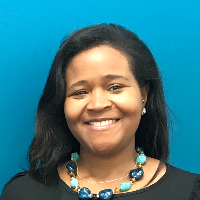
Lucritia (Ann) Sayles
LIMHPNebraska · 14 yrs exp
Compassionate, culturally aware therapy for life changes
Stress, Anxiety · Grief · Bipolar · Depression · +13 more
Read profileTherapist listings are provided by BetterHelp. We will earn a commission at no additional cost to you if you use our links to purchase.
Profiles listed in Nebraska include clinicians who note cultural identity and multicultural concerns among their focus areas. You can compare focus areas, languages, credentials, and stated approaches when reviewing profiles. Browse the listings to review individual profiles and contact therapists to confirm they can work with you where you live.
Nebraska · 14 yrs exp
Compassionate, culturally aware therapy for life changes
Stress, Anxiety · Grief · Bipolar · Depression · +13 more
Read profile
Nebraska · 25 yrs exp
Experienced LMHP focused on practical healing
Stress, Anxiety · Family · Trauma and abuse · Parenting · +12 more
Read profile
Nebraska · 35 yrs exp
Trusted counselor for relationships and identity
LGBT · Relationship · Family · Intimacy-related issues · +6 more
Read profile
Nebraska · 9 yrs exp
Therapist focused on practical support and connection
Stress, Anxiety · Relationship · Family · Trauma and abuse · +1 more
Read profile
Nebraska · 33 yrs exp
Compassionate practical therapy for real life challenges
Stress, Anxiety · Trauma and abuse · Self esteem · Depression · +3 more
Read profile
Nebraska · 10 yrs exp
Supportive LIMHP helping people move forward
Relationship · Parenting · Self esteem · Career · +1 more
Read profile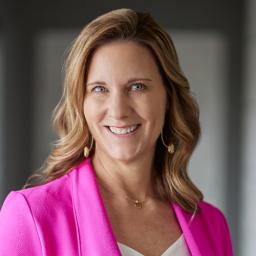
Nebraska · 25 yrs exp
Practical support for life transitions
Addictions · Grief · Self esteem · Depression · +15 more
Read profile
Nebraska · 15 yrs exp
Compassionate therapist for life transitions
Stress, Anxiety · Relationship · Trauma and abuse · Grief · +9 more
Read profile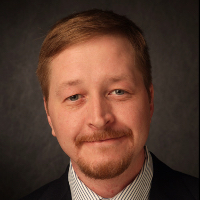
Nebraska · 10 yrs exp
Practical, values-focused mental health work
Stress, Anxiety · Addictions · Relationship · Family · +14 more
Read profile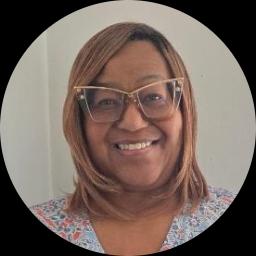
Nebraska · 20 yrs exp
Practical, compassionate therapy for life changes
Stress, Anxiety · Relationship · Anger · Depression · +1 more
Read profile
Nebraska · 33 yrs exp
Compassionate, practical care for life’s big problems
Stress, Anxiety · LGBT · Relationship · Trauma and abuse · +16 more
Read profile
Nebraska · 34 yrs exp
Experienced LMHP emphasizing multicultural perspectives
Stress, Anxiety · Addictions · Relationship · Family · +12 more
Read profile
Nebraska · 4 yrs exp
Compassionate, practical therapy for life transitions
Stress, Anxiety · Addictions · Trauma and abuse · Self esteem · +6 more
Read profile
Nebraska · 12 yrs exp
Person-centered trauma and addiction support
Stress, Anxiety · Addictions · Anger · Bipolar · +11 more
Read profile
Nebraska · 17 yrs exp
Licensed Nebraska clinician supporting change
Addictions · Trauma and abuse · Self esteem · Depression · +14 more
Read profile
Nebraska · 8 yrs exp
Trauma-informed, culturally aware clinical social worker
Relationship · Trauma and abuse · Anger · Self esteem · +9 more
Read profile
Nebraska · 50 yrs exp
Experienced Nebraska therapist focused on practical change
Stress, Anxiety · Trauma and abuse · Grief · Self esteem · +14 more
Read profile
Nebraska · 25 yrs exp
Compassionate counselor emphasizing strengths and practical tools
Relationship · Grief · Career · Coping with life changes · +9 more
Read profile
Nebraska · 29 yrs exp
Experienced Nebraska therapist focused on culture and healing
Stress, Anxiety · Trauma and abuse · Self esteem · Bipolar · +1 more
Read profile
Nebraska · 25 yrs exp
Compassionate care for complex life challenges
Stress, Anxiety · Addictions · Trauma and abuse · Grief · +1 more
Read profileWhen cultural identity, migration, acculturation, or family expectations are part of why you are seeking support, you may want a therapist who speaks directly to those topics. In Nebraska, people come from a mix of urban and rural settings, from newer arrival communities to families established for generations. You may be thinking about the stress of adapting to a new culture, ongoing tensions between generations about values and traditions, or the emotional toll of discrimination and microaggressions. All of these concerns are common reasons people look for clinicians who list multicultural concerns among their focus areas.
Consider what matters most to you in the work itself. Do you want someone who names migration and acculturation in their profile, who explicitly addresses intergenerational expectations, or who writes about supporting people who have experienced racism or xenophobia? Different therapists will describe their practice in different ways, so reading profiles for the language that matches your priorities can help you narrow choices. Remember that a profile entry is a starting point for conversation rather than a full description of scope or skill.
The directory groups profiles under a listed location of Nebraska, but a listed location does not necessarily mean an office address or that a professional is limited to in-person work in that city. Profiles may represent clinicians based in Nebraska or professionals who identify Nebraska as a service area. If you are considering a clinician who is not physically nearby, check the individual profile and confirm permission to work together where you live. That confirmation is important because permission to practice may be regulated differently depending on jurisdiction and service format.
Educational degrees and professional permissions are different things. A degree such as PhD, PsyD, MD, MA, or MSW indicates academic training. A separate listing of a license, registration, or membership indicates the credential that may authorize practice in a given place. In the United States, clinicians commonly list state licenses like LCSW, LPC, or LMFT. In the United Kingdom and Australia, professionals may list registration or membership with recognized professional bodies rather than a state license. A degree by itself does not establish current permission to practice in a particular jurisdiction, so look for both educational background and the credential that indicates permission to work where you are.
When you reach out or read a profile, asking concrete questions helps you learn how a clinician frames their work. You might ask whether they have experience working with people from backgrounds similar to yours, how they understand acculturation and identity development, and how they handle family conflict that crosses generational lines. Ask how they describe their therapeutic style - whether they emphasize practical coping skills, exploration of identity narratives, cultural context in treatment planning, or support for discrimination-related stress. You can request examples of topics they have addressed, such as migration-related grief, negotiating cultural expectations, or coping with workplace bias, understanding that a profile description is not proof of a particular certification or training.
Because therapists often list approaches differently, learn to read those listings as signals to discuss rather than guarantees. For example, therapists who list cognitive-behavioral approaches among their approaches may focus on patterns of thinking and behavior in sessions. Therapists who list narrative or culturally informed work may emphasize storytelling and context. Therapists who list EMDR among their approaches are noting an interest or experience with that approach, not necessarily a certification. Frame your questions to invite concrete examples of how the clinician applies their stated approaches to the cultural aspects that matter to you.
If you are considering working remotely, it is important to clarify legal and practical details before beginning. Ask whether the clinician has permission to provide services to people in your state or country and how they handle cross-jurisdictional requirements. Confirm the language in which care will be offered and discuss how interpretation will be managed if needed. Talk about time zones, session logistics, and what to do in an emergency in your local area, since clinicians are not always able to provide crisis services outside their permitted jurisdictions.
Also discuss expectations about the therapeutic relationship so cultural needs are addressed. Ask how the clinician incorporates your cultural background into conversations about goals and whether they invite family members or community supports into the work when appropriate. If you prefer a certain style - direct and structured or reflective and exploratory - ask the clinician to describe recent examples of how they tailor sessions. These practical conversations help you understand whether a clinician’s way of working aligns with your needs, and they protect both you and the clinician by clarifying jurisdictional and safety considerations in remote care.
Comparing profiles is a process of matching what matters to you with what clinicians describe. Look first at focus areas to see whether migration, acculturation, intergenerational family expectations, discrimination-related stress, or cultural identity are explicitly mentioned. Then read the clinician’s description for examples of the kinds of problems they address and the populations they mention working with. Pay attention to languages listed if communicating in a language other than English is important to you, but do not assume fluency beyond what the profile states. If a therapist notes an interpreter or bilingual service, ask how that is arranged.
Next consider credentials and degrees, recognizing the difference between academic titles and professional permission to practice. A PhD or MSW signals training, while a license, registration, or professional membership signals permission to practice in a place. Finally, compare style by reading personal statements for tone and examples. Some clinicians describe themselves as more directive and goal-oriented, while others describe an exploratory or culturally reflective approach. You may find that certain phrases or examples resonate with you. When you find profiles that seem like a match, reach out and ask the specific questions that matter to you, and remember to confirm that the clinician can legally work with you where you live. That confirmation, together with clear answers about approach and experience, will help you choose a profile to pursue further conversation.
Attachment Issues
3898 therapists
Blended Family Issues
3343 therapists
Career
3685 therapists
Communication Problems
5114 therapists
Coping with Life Changes
5065 therapists
Family
4525 therapists
Family of Origin Issues
3322 therapists
Life Purpose
4954 therapists
Parenting
3768 therapists
Relationship
5165 therapists
Workplace Issues
4189 therapists