
Lawrence "Lance" Bischoff
LCPCMontana · 16 yrs exp
Direct, practical counseling for life challenges
Stress, Anxiety · Relationship · Self esteem · Depression · +11 more
Read profileTherapist listings are provided by BetterHelp. We will earn a commission at no additional cost to you if you use our links to purchase.
Compare profiles of professionals who note cultural identity and multicultural concerns among their focuses in Montana. Browse profiles to review focus areas, approaches, languages, academic degrees, and professional permissions.
Montana · 16 yrs exp
Direct, practical counseling for life challenges
Stress, Anxiety · Relationship · Self esteem · Depression · +11 more
Read profile
Montana · 23 yrs exp
Calm, practical counseling for life challenges
Stress, Anxiety · Family · Trauma and abuse · Parenting · +12 more
Read profile
Montana · 20 yrs exp
Therapy focused on practical change
Stress, Anxiety · Addictions · Relationship · Family · +11 more
Read profile
Montana · 10 yrs exp
Calm, practical counseling focused on change
Stress, Anxiety · Trauma and abuse · Grief · Self esteem · +13 more
Read profile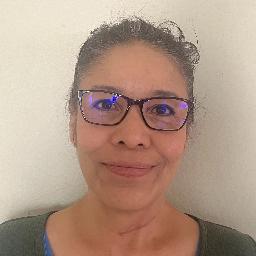
Montana · 30 yrs exp
Supportive therapist focused on healing relationships
Stress, Anxiety · Addictions · Relationship · Family · +8 more
Read profile
Montana · 10 yrs exp
Compassionate, inclusive therapy for life transitions
Stress, Anxiety · LGBT · Grief · Self esteem · +1 more
Read profile
Montana · 20 yrs exp
Experienced, practical, person-centered care
Stress, Anxiety · Trauma and abuse · Grief · Career · +1 more
Read profile
Montana · 5 yrs exp
Compassionate trauma-informed LCSW
Stress, Anxiety · Family · Trauma and abuse · Anger · +1 more
Read profile
Montana · 7 yrs exp
Community-focused person-centered counselor
Stress, Anxiety · LGBT · Trauma and abuse · Self esteem · +10 more
Read profile
Montana · 20 yrs exp
Compassionate, practical therapy focused on goals
Stress, Anxiety · Addictions · Relationship · Family · +11 more
Read profile
Montana · 6 yrs exp
Compassionate, person-centered support for life changes
Depression · Coping with life changes · Compassion fatigue · Stress, Anxiety · +9 more
Read profile
Montana · 23 yrs exp
Compassionate social worker focused on practical change
Stress, Anxiety · Relationship · Grief · Anger · +15 more
Read profile
Montana · 7 yrs exp
Compassionate, practical support for life’s challenges
Stress, Anxiety · Addictions · Relationship · Family · +16 more
Read profile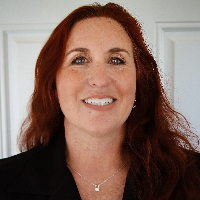
Montana · 8 yrs exp
Practical therapy for trauma and relationships
Addictions · Relationship · Trauma and abuse · Anger · +12 more
Read profile
Montana · 24 yrs exp
Supportive LCPC for practical life challenges
Stress, Anxiety · Relationship · Family · Parenting · +15 more
Read profile
Montana · 18 yrs exp
Compassionate LCSW focused on practical support
Stress, Anxiety · Trauma and abuse · Self esteem · Coping with life changes · +6 more
Read profile
Montana · 13 yrs exp
Trauma-informed, compassionate clinical social worker
Stress, Anxiety · LGBT · Trauma and abuse · Grief · +11 more
Read profile
Montana · 27 yrs exp
Supportive, practical therapy for people under strain
Stress, Anxiety · Relationship · Family · Self esteem · +11 more
Read profile
Montana · 9 yrs exp
Compassionate counseling with steady guidance
LGBT · Trauma and abuse · Grief · Self esteem · +11 more
Read profile
Montana · 15 yrs exp
Experienced LCSW guiding practical coping and healing
Stress, Anxiety · Relationship · Trauma and abuse · Anger · +1 more
Read profile
Montana · 13 yrs exp
Practical support for stress and life transitions
Stress, Anxiety · Trauma and abuse · Grief · Self esteem · +1 more
Read profile
Montana · 4 yrs exp
Calm, practical trauma-informed therapy
Stress, Anxiety · Trauma and abuse · Parenting · Self esteem · +1 more
Read profileWhen you search for help around cultural identity and the stresses that come with migration, acculturation, or intergenerational expectations, you are looking for someone who will listen to the particular shape of your experience. In Montana, experiences may intersect with rural communities, Indigenous nations, immigrant neighborhoods, and long-established families with distinct traditions. You may be navigating changes in language use, role expectations across generations, or pressures to fit in - and you want a therapist who recognizes those dynamics and can help you explore them openly. Discrimination stress and the feeling of not being understood are common threads across many people’s stories. You can expect to discuss how those stresses show up in daily life, from workplace interactions to family conversations, and what coping strategies feel manageable for you. It is also reasonable to want a practitioner who is familiar with cultural values that matter to you, while understanding that a listing of cultural concerns on a profile is not proof of shared background or of a particular training. Use conversations with potential therapists to clarify how they approach cultural themes and how they would attend to your priorities.
A listed Montana location groups profiles by the place the practitioner records, but it does not necessarily mean an active local office or that a therapist is available to work with every resident there. You should open individual profiles to see what the therapist describes and confirm directly whether they have permission to work with you where you live. Academic degrees such as PhD, PsyD, MD, MA, or MSW indicate the practitioner’s educational background, but a degree alone is not the same as professional permission to practice. In the United States, permission to provide therapy commonly comes through state licensing. In the United Kingdom, practitioners may list regulatory registration or professional memberships. In Australia, clinicians may note registration with national bodies or memberships in professional associations. Profiles may include both degrees and professional permissions, so pay attention to the distinction and, when in doubt, ask the clinician to explain their current standing in the jurisdiction where you live. Also remember that a listed focus area such as multicultural concerns is an indication the therapist addresses those topics; it is not evidence of specialization, a particular certification, or suitability for every reader.
When you contact a therapist, coming prepared with specific questions helps you learn how they would work with the cultural issues you bring. You might ask what experience they have working with people who share similar cultural themes, and ask for examples of the kinds of concerns they have supported - for instance, navigating different family expectations across generations or coping with discrimination stress in professional settings. Ask how they describe their therapeutic approach in practical terms and what it looks like when cultural identity is central to the work. If they list particular approaches on their profile, such as narrative work, trauma-informed practices, or mindfulness-based strategies, ask how they adapt those options to cultural contexts. Concrete questions also include how they handle language needs - whether they speak your preferred language or use interpretation - and how they include family or community if that is important to you. Avoid assuming that a listed focus area means the therapist treats children, couples, or families; ask directly about their scope of practice. A focused conversation like this will give you a clearer sense of whether their style and experience fit your needs.
If you are considering online care with a practitioner who lists a Montana location or who operates across regions, there are practical points to cover before beginning. Confirm whether the therapist has permission to offer care to people where you live, and ask how they handle legal and ethical considerations for cross-jurisdictional services. Discuss communication preferences and technology, including how they protect the privacy of your sessions and what to expect if technical problems arise. Talk about how they approach boundaries and crisis planning - for example, how they would help you access local emergency services if needed. If language is a concern, clarify who will provide interpretation and whether it will be the clinician themselves or a third party. You should also ask about session structure - how the therapist frames goals, how they measure progress with you, and how they tailor pacing to cultural needs. These conversations help you form realistic expectations and plan for a working relationship that respects your context and location.
Comparing profiles effectively means looking beyond a single label and reading descriptions for specifics that matter to you. Note which therapists list cultural identity, migration, acculturation, intergenerational dynamics, or discrimination-related stress among their focuses, and then look for explanatory details that show how they engage those issues. Pay attention to languages spoken and whether a therapist mentions comfort working through interpreters. Look at academic degrees as indicators of training in certain fields, while separately checking for professional permissions that allow practice in particular jurisdictions. Consider the therapeutic approaches listed on profiles as options to discuss, not guarantees that every practitioner uses them in the same way. You can compare style by reading how therapists describe their work - whether they emphasize collaborative meaning-making, skill-building, systems work involving family dynamics, or reflective exploration of identity. When you find profiles that seem promising, prepare a short list of targeted questions to ask each clinician so you can compare answers directly: ask about their experience with your specific cultural concerns, how they tailor their methods, what languages they use in sessions, and whether they have current permission to work with you in your location. That comparison process will help you identify practitioners whose profiles align with your practical needs and interpersonal preferences. Remember to confirm details on each individual profile and to verify permission to work together where you live before starting sessions.
Attachment Issues
3898 therapists
Blended Family Issues
3343 therapists
Career
3685 therapists
Communication Problems
5114 therapists
Coping with Life Changes
5065 therapists
Family
4525 therapists
Family of Origin Issues
3322 therapists
Life Purpose
4954 therapists
Parenting
3768 therapists
Relationship
5165 therapists
Workplace Issues
4189 therapists