
Yumi Lemaster
LCSWTexas · 13 yrs exp
Practical, relationship-centered therapy for real life
Stress, Anxiety · Relationship · Trauma and abuse · Anger · +11 more
Read profileTherapist listings are provided by BetterHelp. We will earn a commission at no additional cost to you if you use our links to purchase.
Compare focus areas, languages, credentials and therapeutic approaches among professionals listed for Texas. Browse profiles to see who lists cultural identity and multicultural concerns, and review each profile to confirm permission to work together where you live.
Texas · 13 yrs exp
Practical, relationship-centered therapy for real life
Stress, Anxiety · Relationship · Trauma and abuse · Anger · +11 more
Read profile
Texas · 10 yrs exp
Practical, compassionate counseling for life transitions
Stress, Anxiety · Relationship · Family · Depression · +14 more
Read profile
Texas · 21 yrs exp
Practical, culturally aware therapy for life changes
Stress, Anxiety · Relationship · Trauma and abuse · Intimacy-related issues · +15 more
Read profile
Texas · 8 yrs exp
Calm, goal-focused counseling for practical change
Stress, Anxiety · Grief · Self esteem · Career · +11 more
Read profile
Texas · 10 yrs exp
Compassionate counselor focused on practical change
Stress, Anxiety · Relationship · Anger · Self esteem · +16 more
Read profile
Texas · 18 yrs exp
Compassionate counselor with lived recovery experience
Stress, Anxiety · Addictions · LGBT · Relationship · +14 more
Read profile
Texas · 11 yrs exp
Compassionate, practical support for life changes
Stress, Anxiety · Relationship · Trauma and abuse · Self esteem · +5 more
Read profile
Texas · 17 yrs exp
Helping people move from surviving to thriving
Stress, Anxiety · Addictions · Self esteem · Bipolar · +15 more
Read profile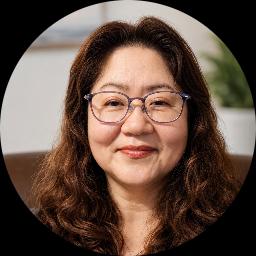
Texas · 13 yrs exp
Practical, direct therapy for patterns and relationships
Stress, Anxiety · Relationship · Family · Parenting · +14 more
Read profile
Texas · 12 yrs exp
Practical therapy focused on strengths and healing
Stress, Anxiety · Trauma and abuse · Eating · Depression · +13 more
Read profile
Texas · 12 yrs exp
Compassionate, practical therapy for life challenges
Stress, Anxiety · Addictions · Relationship · Trauma and abuse · +14 more
Read profile
Texas · 36 yrs exp
Experienced LMFT blending coaching and therapy
Stress, Anxiety · Addictions · Trauma and abuse · Grief · +14 more
Read profile
Texas · 20 yrs exp
Experienced Texas LPC focused on practical care
Trauma and abuse · Grief · Anger · Stress, Anxiety · +7 more
Read profile
Texas · 8 yrs exp
Calm guidance for stressful life changes
Stress, Anxiety · Relationship · Grief · Bipolar · +1 more
Read profile
Texas · 16 yrs exp
Compassionate LCSW helping with life transitions
Stress, Anxiety · Relationship · Family · Grief · +13 more
Read profile
Texas · 20 yrs exp
Experienced therapist focused on relationships and coping
Stress, Anxiety · Relationship · Depression · Coping with life changes · +12 more
Read profile
Texas · 25 yrs exp
Experienced Texas LMFT focused on relationships and coping
Stress, Anxiety · Addictions · Relationship · Family · +12 more
Read profile
Texas · 15 yrs exp
Practical, compassionate therapy with clear steps
Stress, Anxiety · Trauma and abuse · Grief · Depression · +13 more
Read profile
Texas · 7 yrs exp
Practical therapy linking life, work, and meaning
Stress, Anxiety · Addictions · Relationship · Coping with life changes · +13 more
Read profile
Texas · 20 yrs exp
Experienced Texas LPC focusing on practical change
Stress, Anxiety · Relationship · Trauma and abuse · Depression · +11 more
Read profile
Texas · 37 yrs exp
Creative, compassionate counselor with broad experience
Stress, Anxiety · Relationship · Trauma and abuse · Self esteem · +14 more
Read profileMany people search for a therapist because they want to be understood in the context of culture, migration, family expectations or discrimination-related stress. You may be navigating acculturation - the process of adapting to a new cultural environment - or balancing the expectations of different generations within a family. You might be looking for help when identity questions feel tied to faith, ethnicity, language, or gender expression, or when experiences of bias and exclusion affect your wellbeing. In these situations a conversation that centers culture and context can shape the goals and topics you explore in therapy.
On this Texas page you will find profiles grouped under the listed location Texas. Those profiles can help you compare how practitioners describe their focus and approach, but a listing of multicultural concerns should not be read as proof of specialist certification or particular outcomes. Profiles indicate areas the practitioner lists among their interests; you should review individual profiles and ask questions relevant to your needs before deciding to reach out.
The directory groups profiles by a listed location, which helps you find practitioners who identify Texas as the place associated with their profile. A listed location does not by itself prove an onsite office or ongoing physical presence. If a physical office matters to you, check each profile for details and confirm any address or in-person arrangements directly with the practitioner.
It is important to distinguish academic degrees from professional permission to practice. Educational credentials such as PhD, PsyD, MD, MA or MSW indicate the level and type of academic training a person has completed. Those degrees do not on their own demonstrate current permission to practice. In the United States many clinicians also hold a state license such as clinical social work or psychology licenses; in the United Kingdom clinicians may list professional registration or membership in a governing body; in Australia practitioners may list registration or membership with national or state organizations. When you review profiles, look for clear statements about the credentials and the jurisdiction that grants permission to practice, and ask the practitioner to confirm whether they are authorized to work with you where you live.
When you contact a practitioner, purposeful questions will help you assess fit. Ask about their experience working with people who share the cultural background or migration history that matters to you, and ask what they have found helpful in addressing intergenerational expectations and acculturation stress. If language is important, ask whether the practitioner conducts sessions in your preferred language or whether they work with interpreters, and how they manage sessions when an interpreter is involved.
Inquire about the approaches they use and how those approaches are applied to cultural concerns. For example, you might ask how they incorporate cognitive-behavioral ideas when addressing discrimination-related stress, or how therapists who list EMDR among their approaches integrate trauma-focused work with cultural identity issues. Be clear about scope too; asking whether they typically work with individuals, couples or families will clarify whether your needs fit their routine practice. Avoid assuming that a listed topic means they treat children, couples or families - discuss your specific situation directly so you understand whether it falls within their scope.
If you are considering care delivered remotely from Texas, there are practical points to cover before beginning. Confirm that the practitioner has permission to work with clients located in your state or country. Ask about time zone differences and scheduling, how they handle emergencies or urgent concerns when you are not in the same jurisdiction, and what their communication norms are between sessions. Discuss technology expectations including the platforms they use, and ask about their privacy practices and how records are stored and shared.
It is also reasonable to ask how they approach cultural issues in telehealth or remote formats. Some clinicians adapt interventions, family involvement and materials to the realities of distance and cultural context. Talk about how they will include family members or community supports if that is important for your goals, and ask for examples of how cultural background might shape the pace and focus of sessions. Finally, clarify the boundaries of the relationship - for example whether they are able to give written documentation such as referral letters in your jurisdiction - and get any important details in writing if you plan to proceed.
When you compare Texas profiles, pay attention to four interrelated elements: the focus areas listed, the languages spoken, the credentials and permission to practice, and the therapist's described style or approach. Focus areas will tell you whether cultural identity, migration, intergenerational dynamics, discrimination-related stress or related topics are emphasized. Languages listed on a profile can matter for nuance and comfort in expression, and they can reduce the need for an interpreter when you prefer direct communication.
Credentials and jurisdictional permission are practical considerations you should verify. A practitioner may list a PhD, PsyD, MD, MA or MSW as their academic credential; ask whether they also hold state licenses in the United States or professional registration or membership in the United Kingdom or Australia, as applicable. Remember that a degree does not equal current permission to practice. Finally, read how each practitioner describes their working style - whether they emphasize collaborative goal-setting, culturally-adapted strategies, or family systems thinking - and consider which style feels most likely to match how you prefer to work. If cultural identity understanding is essential, ask practitioners how they incorporate your cultural values into the plan for care, and whether they can share examples of the kinds of topics they typically explore with people facing similar concerns.
Across all steps, use each profile as a starting point for conversation. This page groups profiles under the listed location Texas to help your search, but the most reliable information about a practitioner's suitability for your needs will come from direct questions and confirmation on the individual profile. Before you begin, confirm permission to work together where you live and discuss scope of practice to make sure the clinician’s focus and approach match what you need. Taking that careful, informed approach helps you find a practitioner whose profile aligns with the cultural and practical priorities that matter most to you.
Attachment Issues
3898 therapists
Blended Family Issues
3343 therapists
Career
3685 therapists
Communication Problems
5114 therapists
Coping with Life Changes
5065 therapists
Family
4525 therapists
Family of Origin Issues
3322 therapists
Life Purpose
4954 therapists
Parenting
3768 therapists
Relationship
5165 therapists
Workplace Issues
4189 therapists