Cheryl Marrow
LPC, LMFTDistrict of Columbia · 25 yrs exp
Experienced counselor for relationships and addiction
Addictions · Relationship · Family · Intimacy-related issues · +4 more
Read profileTherapist listings are provided by BetterHelp. We will earn a commission at no additional cost to you if you use our links to purchase.
Browse profiles listed for District of Columbia that note cultural identity and multicultural concerns among their focus areas. Compare focus areas, languages, academic degrees, and therapeutic approaches to identify profiles you want to explore further.
Click any profile to read detailed information and confirm the professional's permission to work with you where you live.
District of Columbia · 25 yrs exp
Experienced counselor for relationships and addiction
Addictions · Relationship · Family · Intimacy-related issues · +4 more
Read profile
District of Columbia · 20 yrs exp
Compassionate LICSW guiding practical change
Stress, Anxiety · Relationship · Family · Self esteem · +1 more
Read profile
District of Columbia · 24 yrs exp
Bilingual LICSW focused on culturally informed care
Relationship · Trauma and abuse · Intimacy-related issues · Self esteem · +4 more
Read profile
District of Columbia · 9 yrs exp
Collaborative, culturally aware therapy for daily life
Stress, Anxiety · Relationship · Self esteem · Depression · +1 more
Read profile
District of Columbia · 19 yrs exp
Practical, culturally aware counseling for life challenges
Addictions · LGBT · Relationship · Trauma and abuse · +11 more
Read profile
District of Columbia · 22 yrs exp
Practical, strengths-based counseling for life changes
Relationship · Family · Parenting · Anger · +5 more
Read profile
District of Columbia · 30 yrs exp
Compassionate care for real-life struggles
Stress, Anxiety · Relationship · Self esteem · Depression · +12 more
Read profile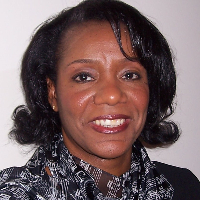
District of Columbia · 10 yrs exp
Compassionate counselor for relationship and life changes
Stress, Anxiety · Relationship · Grief · Intimacy-related issues · +9 more
Read profile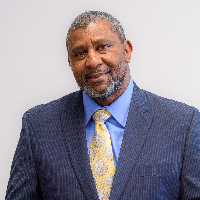
District of Columbia · 25 yrs exp
Compassionate therapy for real-life challenges
Stress, Anxiety · Addictions · Family · Trauma and abuse · +13 more
Read profile
District of Columbia · 14 yrs exp
Warm, practical counseling for stress and relationships
Stress, Anxiety · Relationship · Trauma and abuse · Anger · +10 more
Read profile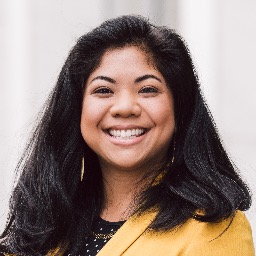
District of Columbia · 4 yrs exp
Compassionate grief and life transition support
Grief · Stress, Anxiety · Relationship · Family · +8 more
Read profile
District of Columbia · 24 yrs exp
Compassionate, experienced LICSW guiding practical change
Stress, Anxiety · Relationship · Family · Trauma and abuse · +15 more
Read profile
District of Columbia · 35 yrs exp
Solution-focused LICSW helping people move forward
Stress, Anxiety · Grief · Self esteem · Depression · +3 more
Read profile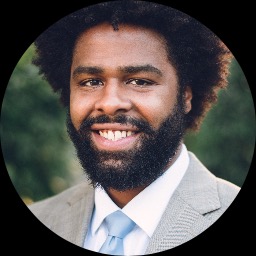
District of Columbia · 3 yrs exp
Straightforward help for stress and life changes
Stress, Anxiety · Grief · Self esteem · Depression · +11 more
Read profile
District of Columbia · 30 yrs exp
Compassionate, experienced person-centered counseling
Stress, Anxiety · Addictions · Trauma and abuse · Parenting · +15 more
Read profile
District of Columbia · 4 yrs exp
Compassionate social worker for life transitions
Stress, Anxiety · Family · Grief · Self esteem · +11 more
Read profile
District of Columbia · 33 yrs exp
Person-centered care with practical tools
Stress, Anxiety · Grief · Self esteem · Depression · +1 more
Read profile
District of Columbia · 24 yrs exp
Compassionate clinician helping people find healthier patterns
Stress, Anxiety · Relationship · Self esteem · Depression · +1 more
Read profileWhen you are exploring care around cultural identity, migration, and acculturation, you may be carrying experiences that touch many parts of life - language change, shifting family roles, differing expectations between generations, and encounters with discrimination. These themes often appear together. You might be navigating a new cultural setting after migration, reconciling traditions with a new social environment, or helping a family member understand changes in values and routines. Feeling misunderstood by peers, colleagues, or care providers is a frequent source of stress for people seeking help. Reading profiles that list multicultural concerns can help you find clinicians who have chosen to include these topics among their areas of focus, but that listing is not proof of a shared background or specific training.
Intergenerational expectations are another common area of work. You may be negotiating family obligations, differing priorities around education or caregiving, or tensions about cultural expression and identity across ages. Discrimination-related stress - whether overt or subtle - can strain relationships and mental well-being. When you look through profiles, pay attention to the language the clinician uses to describe these topics and the examples they give of the kinds of experiences they address. That language often indicates how comfortable they are talking about cultural context and how they frame the issues you care about.
The directory groups profiles under the listed location District of Columbia to help you find clinicians connected to that area. A listed location is a starting point for your search, not proof of an office, physical proximity, eligibility for every resident, or of an active license in that place. You should review the individual profile carefully and confirm the professional's permission to work with you where you live. Profiles may show academic degrees such as PhD, PsyD, MD, MA, or MSW. Those degrees indicate a level of education but do not by themselves establish current permission to practice.
Professionals in this directory may come from the United States, the United Kingdom, or Australia. In the United States, clinicians typically hold a state license to provide mental health services; in the United Kingdom and Australia, practitioners may list registration, membership, or professional affiliations as indicators of their standing. When you read a profile, note whether the listing describes a US license, a UK registration or membership, or an Australian registration. If that detail is not clear, ask the clinician directly about the relevant authorization to provide care in your location. Also check whether the profile specifies the kinds of clients they work with, as a listed topic does not by itself establish that a clinician treats children, couples, or families.
Before you reach out, have a set of concrete questions you can use to compare profiles and guide your conversation. You might ask how a clinician frames cultural identity in their work - whether they approach it as a central organizing theme, one of several contextual factors, or an area they are available to discuss as needed. Ask for examples of the kinds of concerns they have worked with that are similar to yours. If you are interested in particular therapy options, consider asking whether the clinician is comfortable discussing those approaches and how they integrate cultural context into their use of them. For example, you might ask about how they adapt techniques when language or cultural norms are part of the presenting issue.
Be precise about what matters to you. If language access is important, ask how the clinician handles sessions in other languages and whether they conduct work in languages they list on their profile. If family expectations shape your concerns, ask how they involve family members in conversations when appropriate. When you compare responses from different profiles, look for clear explanations of experience rather than general claims. Remember that a profile listing an approach is not the same as a statement of formal training - phrasing like "therapists who list EMDR among their approaches" makes clear that the directory records what clinicians have chosen to note, not a certification status.
If you are considering online or remote sessions, it is important to cover practical and clinical topics upfront. Ask how the clinician manages geography - whether they have permission to work with clients in your state, territory, or country. Clarify how they handle time zone differences and what communication methods they prefer for scheduling and progress updates. Talk about the technology you will use and what steps to take if a connection fails, or if you need to pause a session. It is reasonable to ask about session structure, how they set goals, and how progress is reviewed, while remembering that individual approaches and preferences vary from one clinician to another.
Before you begin, discuss what to do in case of an emergency where immediate local support is needed. Clinicians should be able to explain how they coordinate with local resources when required. If cultural or language interpretation will be part of sessions, confirm how that will be arranged and whether additional participants will be present. By raising these topics early, you can make a more informed choice about which profiles merit a follow-up conversation and which clinician's style and policies fit your needs.
When you compare profiles, read the language used to describe focus areas and consider whether it matches the issues you want to address. Profiles that list cultural identity, migration, acculturation, intergenerational expectations, or discrimination-related stress may vary widely in how they describe their work. Some clinicians describe practical problem-solving around life transitions, while others emphasize narrative exploration of identity. Look for concrete descriptions of what a typical session might involve, and prefer profiles that address the specific social or cultural dynamics you care about.
Languages listed on a profile matter if you want to speak in a particular language or expect a clinician to understand terms that carry cultural meaning. Pay attention to whether a profile simply lists languages or describes clinical work in those languages. Compare credentials carefully - distinguish academic degrees such as PhD, PsyD, MD, MA, or MSW from professional licenses, registrations, or memberships. If a profile mentions a professional registration in the UK or Australia, read it as a regional indicator and ask questions about permission to practice where you live. Finally, consider the clinician's stated style - whether they emphasize collaborative planning, reflective listening, culturally informed assessment, or other descriptors - and choose profiles where that style feels like a match for how you prefer to work.
Using the directory to compare profiles helps you narrow options before you reach out. After you find profiles that resonate, contact those clinicians and ask the specific questions suggested above. Confirm their permission to work with you in your location and discuss scope of practice. Thoughtful comparisons and clear conversations will help you decide which profiles to explore further as you seek a clinician who understands the cultural context of your concerns.
Attachment Issues
3898 therapists
Blended Family Issues
3343 therapists
Career
3685 therapists
Communication Problems
5114 therapists
Coping with Life Changes
5065 therapists
Family
4525 therapists
Family of Origin Issues
3322 therapists
Life Purpose
4954 therapists
Parenting
3768 therapists
Relationship
5165 therapists
Workplace Issues
4189 therapists