
Liberty Kenyon
LMHCRhode Island · 30 yrs exp
Calm guidance for stressful life seasons
Stress, Anxiety · LGBT · Relationship · Family · +2 more
Read profileTherapist listings are provided by BetterHelp. We will earn a commission at no additional cost to you if you use our links to purchase.
Compare therapist profiles listed for Rhode Island to explore focus areas, languages, academic degrees and professional registration or licensure. Browse profiles to review approaches, experience with cultural identity and multicultural concerns, and then contact a clinician to confirm they can work with you where you live.
Rhode Island · 30 yrs exp
Calm guidance for stressful life seasons
Stress, Anxiety · LGBT · Relationship · Family · +2 more
Read profile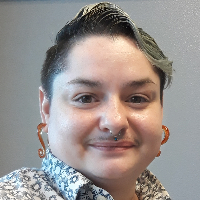
Rhode Island · 8 yrs exp
Affirming, practical therapy for identity and stress
Stress, Anxiety · LGBT · Intimacy-related issues · Bipolar · +9 more
Read profile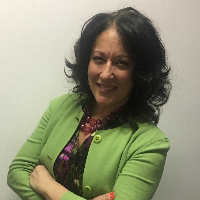
Rhode Island · 15 yrs exp
Compassionate LICSW helping people move forward
Stress, Anxiety · Addictions · Grief · Self esteem · +14 more
Read profile
Rhode Island · 18 yrs exp
Supportive therapist helping people manage life challenges
Stress, Anxiety · Relationship · Trauma and abuse · Grief · +14 more
Read profile
Rhode Island · 8 yrs exp
Practical care for stress and life changes
Stress, Anxiety · LGBT · Grief · Coping with life changes · +10 more
Read profile
Rhode Island · 3 yrs exp
Compassionate help for stress and identity concerns
Stress, Anxiety · LGBT · Trauma and abuse · Self esteem · +11 more
Read profile
Rhode Island · 10 yrs exp
Practical, strengths-based therapy for life challenges
Stress, Anxiety · Addictions · Relationship · Trauma and abuse · +2 more
Read profile
Rhode Island · 8 yrs exp
Practical, culturally aware counseling for life challenges
Family · Grief · Self esteem · Depression · +8 more
Read profileWhen you are searching for help related to cultural identity, migration and acculturation, or the stress of discrimination, you are often looking for a clinician who understands how social context shapes emotional life. In Rhode Island that might include histories of migration, bilingual family dynamics, and layered loyalties between generations. You may be navigating a recent move, long-term acculturation challenges, or the ongoing work of reconciling family expectations with your own evolving sense of self. Feeling understood is a common priority, and it can shape what you look for in a profile: whether a clinician lists experience with immigrant communities, intergenerational conflict, or faith-related questions, for example.
It helps to recognize that language is a practical marker of fit as well as a means of cultural connection. If you prefer to speak in a language other than English, look for profiles that list that language and note whether that language appears together with relevant cultural experience. Also pay attention to how practitioners describe work with discrimination stress and identity-related trauma - some clinicians will explicitly reference these concerns among their focus areas, while others may include broader wording such as multicultural concerns or cultural identity. The presence of a listed focus is a prompt to ask more, not a definitive guarantee of shared background or a specific competency.
Profiles grouped under Rhode Island indicate that clinicians have chosen a listed location that associates them with the state. That listed location does not by itself prove there is an office in Rhode Island or that a clinician is currently permitted to work with you there. You should check each profile and confirm whether the clinician has permission to practice with residents of your state or country. Academic degrees such as PhD, PsyD, MD, MA and MSW tell you about training and scholastic background, but they are distinct from professional registration, membership or licensing. A degree alone does not establish current permission to practice.
Because this directory includes practitioners who work in the United States, the United Kingdom and Australia, pay attention to the language used on a profile about professional standing. In the United States, clinicians typically list state licenses that permit clinical practice. In the United Kingdom and Australia, clinicians commonly reference professional registration or membership with recognized bodies. If a profile does not clearly state the nature of professional permission to practice in your jurisdiction, ask the clinician directly. Confirming this detail is especially important before you begin any form of care, whether in-person or remote.
When you contact a clinician, specific questions will give you clarity about how they work and whether their approach matches your needs. Ask about the kinds of cultural identity concerns they have worked with and how they describe their experience related to migration, acculturation and intergenerational expectations. You can request examples of clinical situations they have supported in general terms - for instance, whether they have helped people navigating family expectations tied to cultural or faith traditions, or supported clients dealing with discrimination-related stress. Remember that a profile listing multicultural concerns is not evidence of formal certification in a particular area; it simply indicates the clinician has identified that as a focus.
It is useful to ask about therapeutic options in exploratory language. If you are interested in particular approaches, ask whether they list that approach among their methods and how they typically adapt it for cultural issues. Phrase questions to invite description rather than a promise of specific outcomes - for example, ask how they integrate cultural considerations into treatment planning or how they work with clients to address identity-related distress. Also ask about the populations they usually work with, because a focus area listed on a profile does not automatically mean the clinician treats children, couples or families; you should confirm scope of practice directly.
If you are considering care that will be delivered remotely, or if you and a clinician are in different jurisdictions, there are practical topics to cover before you begin. Confirm whether the clinician is permitted to provide services to people living in your state or country and ask what that permission covers. Different regions have distinct rules about cross-border practice, so it is important to get a clear statement from the clinician about where they can legally and ethically work with clients.
Discuss how cultural needs will be accommodated in remote sessions. You might want to ask how they handle language choice, cultural references and extended-family dynamics when you are not meeting in person. Clarify what to do in an emergency and how they manage situations that require local supports. Ask about session logistics such as expected duration, communication preferences and how notes or summaries are shared, keeping in mind that the specifics can vary by clinician and by the regulations that apply to their professional standing.
Comparing profiles is easier when you use consistent criteria. Begin by looking for the focus areas that matter most to you - cultural identity, migration and acculturation, intergenerational expectations, or discrimination-related stress. Read how each clinician describes that focus in their own words and note any phrases that reflect a perspective similar to yours. Next, compare listed languages and consider whether you prefer to work in a non-English language or in a bilingual context. A listed language can facilitate direct communication, but it does not guarantee cultural alignment, so pair language considerations with questions about cultural experience.
Examine academic degrees separately from professional permissions. A PhD or PsyD indicates a level of academic training, whereas licensure, registration or professional membership indicates the clinician has sought recognized permission to practice. In the United States you will commonly see state licenses; in the United Kingdom and Australia look for registration or membership with relevant professional bodies. If a profile is unclear about these details, ask the clinician to clarify their current standing and whether they can work with you in your location.
Finally, attend to therapeutic style. Some profiles will emphasize reflective, exploratory work while others highlight actionable skills or problem-focused strategies. If you are curious about particular modalities, ask whether the clinician lists those approaches among their tools and how they adapt those tools for cultural concerns. Concrete comparison questions include: Which focus areas are named, and how are they described? What languages are listed and what level of fluency is indicated? What academic degrees are noted and what permission to practice is named? How does the clinician describe their therapeutic stance and typical goals with clients? Using these questions will help you narrow down profiles to those you want to contact and prepare you to have an informed conversation when you do.
Throughout your search, remember to verify details on each profile and to confirm permission to work together where you live. Profiles can help you identify clinicians whose language, focus areas and stated experience resonate with your needs, but a direct conversation is the best way to determine fit. Take your time, ask concrete questions, and look for a clinician who communicates in a way that helps you feel understood and respected.
Attachment Issues
3898 therapists
Blended Family Issues
3343 therapists
Career
3685 therapists
Communication Problems
5114 therapists
Coping with Life Changes
5065 therapists
Family
4525 therapists
Family of Origin Issues
3322 therapists
Life Purpose
4954 therapists
Parenting
3768 therapists
Relationship
5165 therapists
Workplace Issues
4189 therapists