
Cait Farrell
LCPCMaine · 18 yrs exp
Practical, strengths-based counseling for life challenges
Stress, Anxiety · Relationship · Family · Self esteem · +16 more
Read profileTherapist listings are provided by BetterHelp. We will earn a commission at no additional cost to you if you use our links to purchase.
Compare profiles grouped under the listed location Maine to find practitioners who list cultural identity and multicultural concerns. Review focus areas, credentials, languages, and approaches to see which profiles align with what matters to you. Browse the listings below and follow each profile to confirm a practitioner's permission to work with you where you live.
Maine · 18 yrs exp
Practical, strengths-based counseling for life challenges
Stress, Anxiety · Relationship · Family · Self esteem · +16 more
Read profile
Maine · 24 yrs exp
Experienced clinician for relationships and mood
Stress, Anxiety · Relationship · Trauma and abuse · Self esteem · +16 more
Read profile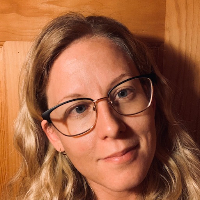
Maine · 9 yrs exp
Compassionate, direct support for practical change
Stress, Anxiety · Family · Trauma and abuse · Parenting · +9 more
Read profile
Maine · 4 yrs exp
Calm, practical therapy for everyday challenges
Stress, Anxiety · Relationship · Family · Trauma and abuse · +13 more
Read profile
Maine · 22 yrs exp
Compassionate, practical therapy for life challenges
Stress, Anxiety · LGBT · Trauma and abuse · Intimacy-related issues · +13 more
Read profile
Maine · 19 yrs exp
Compassionate social worker for life transitions
Stress, Anxiety · Relationship · Trauma and abuse · Grief · +14 more
Read profile
Maine · 18 yrs exp
Practical, collaborative counseling for life changes
Stress, Anxiety · Addictions · Relationship · Trauma and abuse · +14 more
Read profile
Maine · 15 yrs exp
Warm, practical therapy for life’s hard moments
Stress, Anxiety · Grief · Self esteem · Depression · +12 more
Read profile
Maine · 9 yrs exp
Calm, practical support for life changes
Stress, Anxiety · Trauma and abuse · Grief · Depression · +10 more
Read profile
Maine · 4 yrs exp
Compassionate counselor focusing on practical change
Stress, Anxiety · Trauma and abuse · Self esteem · Depression · +11 more
Read profile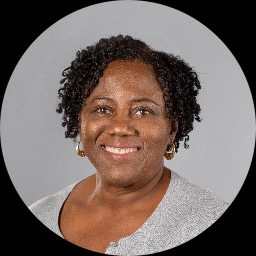
Maine · 10 yrs exp
Compassionate LCSW offering practical support
Stress, Anxiety · Addictions · Grief · Self esteem · +2 more
Read profile
Maine · 20 yrs exp
Helping people manage stress and life transitions
Stress, Anxiety · Self esteem · Career · Coaching · +1 more
Read profile
Maine · 15 yrs exp
Practical support for stress and life changes
Stress, Anxiety · Relationship · Trauma and abuse · Depression · +9 more
Read profileWhen you are seeking help around cultural identity, you are often asking for a space where the nuances of heritage, migration and shifting social expectations are seen and respected. You may be navigating the practical and emotional work of acculturation - learning new social norms, balancing two cultural worlds, or negotiating language and belonging. These experiences can affect your sense of self, relationships, work and daily routines. You might also face intergenerational tensions when values and expectations differ between family members who grew up in different places or eras. Feeling unseen in those differences can make it harder to name what you want from therapy. In this context, a therapist who lists cultural identity or multicultural concerns among their focus areas may be more likely to welcome conversation about those topics. However, a listing does not guarantee a match, so you should look for profiles that describe relevant experience, languages spoken, or the types of migration and family dynamics they mention working with. You will benefit from noting whether a profile speaks to the specific cultural or migration experiences, such as first-generation adjustment, refugee-related stress, or bicultural parenting, that resonate with your situation. Bringing examples of everyday interactions that feel difficult - a family dinner that turns into a conflict, workplace microaggressions, or the emotional labor of navigating two cultural expectations - will help you assess whether a profile’s described focus feels practical and relevant to your needs.
Profiles are grouped under the listed location Maine so you can find practitioners associated with that area, but the listed location does not by itself confirm a practitioner's current permission to practice where you live. You should check each individual profile for details about where a clinician is authorized to work and then confirm that they can legally provide services to you in your jurisdiction. Professional credentials appear on profiles in different forms. Academic degrees such as PhD, PsyD, MD, MA or MSW describe formal education but do not by themselves indicate current registration or permission to practice. In the United States, clinicians typically hold a state license and may use acronyms such as LCSW, LPC, LMFT or a psychologist license; those are state-managed permissions to practice. In the United Kingdom or Australia, a clinician may be registered with a regulator or hold membership in professional associations, and those terms have different legal and professional meanings than U.S. licenses. Profiles may also list professional titles that reflect education or association membership rather than regulatory permission. When you review a profile, look for explicit statements about licensing or registration and where that permission applies. If the profile does not make jurisdiction or credential details clear, reach out directly to the practitioner to confirm their current status and to verify they can work with you in Maine or in your place of residence.
It helps to go into conversations with specific questions about how a clinician integrates culture into their work. Ask whether the therapist has experience addressing the particular patterns you face - for example, migration-related loss, identity negotiation, intergenerational caregiving expectations, or the emotional toll of discrimination and microaggressions. Ask how they incorporate cultural considerations during assessment and ongoing sessions, and whether they list particular approaches among their methods. You can request examples of the kinds of interventions they commonly use, phrasing your question so it reflects curiosity rather than assuming training: for instance, ask whether they work with narrative or trauma-informed approaches, or whether they describe somatic or family-systems ideas among their approaches. It is appropriate to ask a therapist to describe how they handle language differences, interpreters, or sessions conducted in a language other than English. A helpful question is how they define progress and how they involve you in tailoring the work to your cultural values. If you have faith or spiritual practices that are important to you, ask whether and how those are welcomed into conversation. Since a profile listing multicultural concerns does not prove a shared background or specialized credential, asking about direct experience with communities or situations similar to yours will clarify fit. Finally, ask about scope - whether they typically work with individuals, families, or specific age groups - because a listed topic does not automatically mean someone treats children, couples, or families.
If you are considering remote sessions, discuss the legal and practical details up front. Confirm that the clinician can legally provide care to someone located where you live and that their permission applies to your state or country. Ask about the technology platforms they use and the privacy safeguards those platforms offer for your data and communications. Talk through what you both will do in an emergency or crisis, including local resources and how the clinician coordinates care when they are not in your area. Clarify language preferences, whether session notes or summaries will be shared, and how cultural or family members who may be involved in care are incorporated. It is also important to explore expectations around time zones, communication norms between sessions, and how the clinician handles boundaries and follow-up. If the work will include family members or interpreters, ask how logistics are managed and whether the clinician has experience coordinating multi-person sessions. Discussing these practicalities before you begin will help you focus on the therapeutic work itself and prevent misunderstandings about jurisdiction, scope of practice, or emergency responses.
When you compare profiles, look beyond a single phrase and read how clinicians describe their focus in context. Notice whether cultural identity or multicultural concerns are named as primary areas of practice or as additional focus areas, and whether the profile mentions particular populations, migration histories or language offerings that match your needs. Pay attention to the languages listed and whether the clinician notes conversational fluency, formal session work in that language, or use of an interpreter. For credentials, separate academic degrees from indications of legal permission to practice: degrees like PhD, PsyD, MD, MA and MSW tell you about training; licensing, registration or stated membership tell you about current permission to practice in a given place. Consider style and tone - some profiles emphasize a direct, problem-solving approach while others describe exploratory or narrative work - and think about which style feels most comfortable for you. Concrete comparison questions you can use while reviewing profiles include: Which issues are most frequently described in the profile text? Which languages are explicitly offered? Where is the clinician authorized to provide services? Do they describe experience with migration, intergenerational dynamics or discrimination-related stress? How do they say they incorporate culture into assessment and planning? Use those questions to narrow the list of profiles you want to contact and, when you do reach out, confirm details about scope, jurisdiction and whether the clinician’s approach aligns with your expectations. Taking this methodical approach will help you find profiles that more closely match your needs and make it easier to have an informed conversation about starting work together.
Attachment Issues
3898 therapists
Blended Family Issues
3343 therapists
Career
3685 therapists
Communication Problems
5114 therapists
Coping with Life Changes
5065 therapists
Family
4525 therapists
Family of Origin Issues
3322 therapists
Life Purpose
4954 therapists
Parenting
3768 therapists
Relationship
5165 therapists
Workplace Issues
4189 therapists