
Velma Jones
LCSWNew York · 29 yrs exp
Compassionate therapist who focuses on real-life change
Stress, Anxiety · Relationship · Trauma and abuse · Depression · +10 more
Read profileTherapist listings are provided by BetterHelp. We will earn a commission at no additional cost to you if you use our links to purchase.
Compare therapist profiles listed in New York by focus areas, cultural identity experience, languages, degrees and professional credentials. Browse profiles to learn about approaches, areas of experience, and which therapists you may want to contact.
New York · 29 yrs exp
Compassionate therapist who focuses on real-life change
Stress, Anxiety · Relationship · Trauma and abuse · Depression · +10 more
Read profile
New York · 13 yrs exp
Calm, practical support for life’s difficult moments
Relationship · Trauma and abuse · Grief · Self esteem · +9 more
Read profile
New York · 5 yrs exp
Culturally aware, action-focused counseling
Stress, Anxiety · LGBT · Trauma and abuse · Bipolar · +12 more
Read profile
New York · 11 yrs exp
Practical, values‑focused therapy with steady support
Stress, Anxiety · Grief · Self esteem · Relationship · +8 more
Read profile
New York · 35 yrs exp
Experienced LCSW focused on practical care
Stress, Anxiety · Self esteem · Career · ADHD · +10 more
Read profile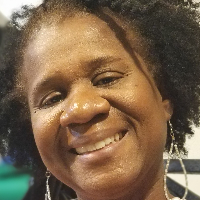
New York · 6 yrs exp
Compassionate counselor blending insight and skills
Stress, Anxiety · Parenting · Anger · Self esteem · +12 more
Read profile
New York · 14 yrs exp
Therapist focused on practical growth
Stress, Anxiety · Relationship · Trauma and abuse · Self esteem · +5 more
Read profile
New York · 25 yrs exp
Experienced LCSW offering practical, person-centered care
Stress, Anxiety · Grief · Anger · Self esteem · +6 more
Read profile
New York · 20 yrs exp
Compassionate counselor focused on forward movement
Stress, Anxiety · Relationship · Family · Self esteem · +15 more
Read profile
New York · 9 yrs exp
Calm, practical counseling for everyday struggles
Stress, Anxiety · Relationship · Parenting · Self esteem · +1 more
Read profile
New York · 25 yrs exp
Compassionate skills-based care for life challenges
Stress, Anxiety · Trauma and abuse · Self esteem · Depression · +11 more
Read profile
New York · 17 yrs exp
Integrative psychodynamic and solution-focused care
Stress, Anxiety · Self esteem · Career · Depression · +14 more
Read profile
New York · 7 yrs exp
Practical counseling for complex emotional challenges
Addictions · Relationship · Trauma and abuse · Intimacy-related issues · +6 more
Read profile
New York · 20 yrs exp
Practical, experienced LCSW for life challenges
Stress, Anxiety · Addictions · Relationship · Self esteem · +9 more
Read profile
New York · 10 yrs exp
Compassionate counselor for life transitions
Stress, Anxiety · Family · Self esteem · Coping with life changes · +5 more
Read profile
New York · 38 yrs exp
Seasoned counselor focused on practical change
Stress, Anxiety · Addictions · Relationship · Trauma and abuse · +15 more
Read profile
New York · 10 yrs exp
Compassionate counselor blending skills and listening
Stress, Anxiety · Relationship · Family · Trauma and abuse · +14 more
Read profile
New York · 30 yrs exp
Experienced social worker focused on life transitions
Stress, Anxiety · Grief · Self esteem · Depression · +13 more
Read profile
New York · 14 yrs exp
Compassionate LCSW guiding practical change
Stress, Anxiety · Trauma and abuse · Anger · Self esteem · +14 more
Read profile
New York · 12 yrs exp
Compassionate therapist focused on practical change
Addictions · Trauma and abuse · Anger · Self esteem · +10 more
Read profile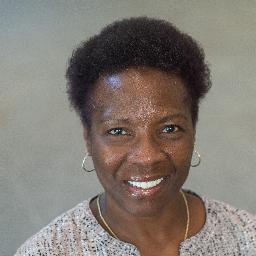
New York · 15 yrs exp
Compassionate, practical therapy for life challenges
Relationship · Family · Grief · Parenting · +12 more
Read profile
New York · 22 yrs exp
Experienced therapist for life transitions
Stress, Anxiety · Relationship · Parenting · Bipolar · +14 more
Read profile
New York · 26 yrs exp
Compassionate care for stress and trauma
Stress, Anxiety · Family · Trauma and abuse · Parenting · +11 more
Read profileWhen you look for help around cultural identity, migration or acculturation, you are often addressing more than one issue at a time. You may be navigating the practical stresses of settling in a new place, the emotional work of belonging and identity, responsibilities that cross generations, or the impact of discrimination and microaggressions on your everyday life. These experiences can show up as anxiety, low mood, relationship strain, or a sense of not being seen. It is normal to want a therapist who understands how cultural background, migration history and family expectations shape your choices and feelings.
Profiles in this directory can help you find therapists who list these topics among their focus areas so you can begin to compare how each professional presents their experience. Keep in mind that a listed focus area signals interest or attention to a topic rather than a specific certification. As you read, look for language that resonates with your situation and makes you feel understood, and plan to ask concrete questions about the therapist's prior work with issues similar to yours.
The phrase "listed location New York" means a profile groups a therapist under New York for the purposes of search and discovery. That grouping is not, by itself, proof of an office in the city, physical proximity to you, or permission to practice there. Always check the individual profile for details and confirm directly with the therapist whether they are permitted to work with clients where you live. This step is especially important if you are considering online sessions across state or national borders.
Academic degrees and professional permissions are distinct. Degrees such as PhD, PsyD, MD, MA and MSW indicate the level and field of study a clinician has completed. A degree alone does not guarantee current permission to practice. In the United States, clinicians typically hold a license to practice issued by a state regulatory board. In the United Kingdom and Australia, professionals may list registration or membership with recognised bodies rather than a U.S.-style license. Profiles vary in how they present this information, so read degree and credential fields as separate items and, when necessary, ask the therapist how they are authorised to practise in your jurisdiction.
When you contact a therapist, having specific questions will help you compare profiles beyond surface labels. You can ask about the kinds of cultural identity work they do and how often those issues appear in their practice. A useful question is, "Which of the cultural or migration-related concerns you list occupy most of your work?" That helps you understand emphasis without relying on certifications. You can also ask, "What types of acculturation or intergenerational issues have you worked with recently and how do you approach them?" This invites real examples rather than generic statements.
If language matters to you, ask whether the therapist conducts sessions in your preferred language and whether they use interpreters when needed. To learn about therapeutic orientation, you might say, "I see you list several approaches - how do you decide which you will use with a client?" This clarifies whether an approach label refers to an occasional tool in their practice or a primary framework they employ. Also check scope questions directly, for example, whether they work with individuals of certain ages or with family systems, since a listed focus area does not automatically imply work with children, couples or families.
If you plan to work remotely, discuss logistical and practical matters upfront. Confirm that the therapist is permitted to provide care to people located where you will be during sessions. Ask what steps they take to protect your privacy and what platform or communication methods they use, along with any backup plan if a connection drops. If time zones could affect scheduling, clarify how time differences are handled and whether session timing is flexible.
Talk about what you prefer for communication outside sessions, such as email or messaging, and whether the therapist has policies about response times. If you have a history of trauma related to migration, detention or discrimination, let the therapist know and ask how they typically support clients with similar histories. You should also ask about emergency procedures and what local resources they might recommend in your area. These discussions help establish practical expectations and reduce surprises as you begin working together.
Comparing profiles effectively means reading beyond the headline and paying attention to the way therapists describe their work. Look for specificity. A profile that describes particular populations, migration experiences, or cultural concerns you recognise will generally be easier to evaluate than one with only broad labels. Compare the languages listed to determine whether you could conduct therapy in a language that feels most natural for you. If you rely on an interpreter, ask about the therapist's prior experience working with interpreters and how they include language mediation in sessions.
Consider the relationship between listed degrees and stated permissions to practise. A profile that names a PhD or MSW and also explains the clinician's current licence, registration or membership in their country gives you clearer information than a profile that lists a degree without context. Pay attention to the therapist's description of their style and what a typical session looks like. Concrete comparison questions you might use in an initial message include: "Which of the focus areas you list makes up most of your work?" "How often do language-specific sessions occur in your schedule?" and "Can you describe how you adapt your approach when addressing intergenerational conflict or discrimination-related stress?" These questions invite practical answers you can compare across profiles.
Ultimately, profiles are starting points to help you narrow your search. Use them to identify therapists whose language and emphases align with your needs, then reach out for an initial conversation to assess fit. Remember to verify licensure or registration as it applies to where you live, confirm whether the clinician works with the age group or relational setup you need, and discuss the concrete goals you want to address. Taking these steps will help you make an informed choice about who to speak with next as you pursue care around cultural identity and multicultural concerns in New York.
Attachment Issues
3898 therapists
Blended Family Issues
3343 therapists
Career
3685 therapists
Communication Problems
5114 therapists
Coping with Life Changes
5065 therapists
Family
4525 therapists
Family of Origin Issues
3322 therapists
Life Purpose
4954 therapists
Parenting
3768 therapists
Relationship
5165 therapists
Workplace Issues
4189 therapists