
Gary Grant
LMHCWashington · 50 yrs exp
Experienced LMHC focused on multicultural care
Stress, Anxiety · Trauma and abuse · Intimacy-related issues · Self esteem · +15 more
Read profileTherapist listings are provided by BetterHelp. We will earn a commission at no additional cost to you if you use our links to purchase.
Explore profiles of therapists listed in Washington who indicate a focus on cultural identity and multicultural concerns. You can compare focus areas, professional credentials, approaches and languages to find profiles that align with your needs. Check each profile to confirm the listed location and whether a therapist can work with you where you live.
Washington · 50 yrs exp
Experienced LMHC focused on multicultural care
Stress, Anxiety · Trauma and abuse · Intimacy-related issues · Self esteem · +15 more
Read profile
Washington · 7 yrs exp
Helping people find purpose and steady progress
Stress, Anxiety · Trauma and abuse · Eating · Self esteem · +1 more
Read profile
Washington · 17 yrs exp
Warm, practical counseling for relationship and life stress
Stress, Anxiety · Relationship · Family · Self esteem · +1 more
Read profile
Washington · 27 yrs exp
Compassionate counselor for life transitions
LGBT · Trauma and abuse · Self esteem · Coping with life changes · +16 more
Read profile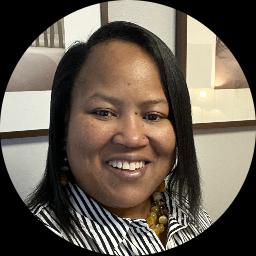
Washington · 4 yrs exp
Calm, practical support for life’s transitions
Stress, Anxiety · Self esteem · Career · Depression · +1 more
Read profile
Washington · 8 yrs exp
Practical support for anxiety and trauma recovery
Stress, Anxiety · Relationship · Trauma and abuse · Grief · +11 more
Read profile
Washington · 8 yrs exp
Experienced LICSW focused on practical coping skills
Stress, Anxiety · Parenting · Self esteem · Coping with life changes · +1 more
Read profile
Washington · 18 yrs exp
Practical support for stress and relationships
Stress, Anxiety · Grief · Self esteem · Depression · +1 more
Read profile
Washington · 25 yrs exp
Compassionate practical therapy for real life
Stress, Anxiety · Relationship · Family · Trauma and abuse · +16 more
Read profile
Washington · 16 yrs exp
Compassionate therapist focused on practical change
Stress, Anxiety · Addictions · LGBT · Bipolar · +12 more
Read profile
Washington · 25 yrs exp
Compassionate LCSW focused on practical support
Stress, Anxiety · Addictions · Relationship · Family · +15 more
Read profile
Washington · 30 yrs exp
Experienced counselor focused on everyday life challenges
Stress, Anxiety · Relationship · Family · Intimacy-related issues · +14 more
Read profile
Washington · 6 yrs exp
Calm, practical support for life changes
Stress, Anxiety · Relationship · Trauma and abuse · Depression · +15 more
Read profile
Washington · 18 yrs exp
Calm, practical support for life changes
Stress, Anxiety · LGBT · Trauma and abuse · Self esteem · +15 more
Read profile
Washington · 10 yrs exp
Compassionate social worker focused on connection
Stress, Anxiety · LGBT · Relationship · Coping with life changes · +13 more
Read profile
Washington · 10 yrs exp
Calm, practical, collaborative therapy
Stress, Anxiety · Eating · Self esteem · Depression
Read profile
Washington · 29 yrs exp
Experienced Washington LMHC focused on practical support
Stress, Anxiety · Trauma and abuse · Anger · Self esteem · +10 more
Read profile
Washington · 30 yrs exp
Therapist focused on practical change
Stress, Anxiety · LGBT · Trauma and abuse · Depression · +11 more
Read profile
Washington · 30 yrs exp
Insightful therapist focusing on relationships and resilience
Stress, Anxiety · LGBT · Intimacy-related issues · Depression · +11 more
Read profile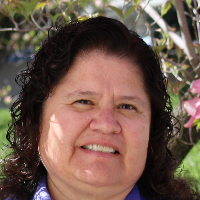
Washington · 3 yrs exp
Practical, culturally aware counseling with real tools
Stress, Anxiety · Addictions · Trauma and abuse · Self esteem · +10 more
Read profile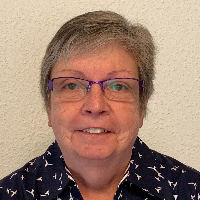
Washington · 25 yrs exp
Calm, practical therapy for life’s challenges
Stress, Anxiety · Trauma and abuse · Grief · Depression · +11 more
Read profile
Washington · 30 yrs exp
Calm, practical guidance for major life changes
Stress, Anxiety · Anger · Depression · Coping with life changes · +13 more
Read profileWhen you are seeking help around cultural identity or the stresses of migration and acculturation, you are often looking for someone who listens with awareness of the cultural context that shapes your experience. Concerns may include negotiating values across generations, shifting roles after migration, language loss or recovery, and the emotional impact of discrimination or microaggressions. You may also be navigating faith or spiritual expectations, the desire to preserve cultural traditions, or the need to adapt to a new cultural landscape while maintaining a sense of who you are. Saying this aloud in an initial conversation can help you see whether a profile reflects attention to those themes.
Profiles on this site indicate that a therapist lists multicultural concerns among their focus areas, but that listing is not evidence of a particular credential or specialist certification. Use profiles as a starting point to identify practitioners who mention the issues you care about, then plan specific questions to learn how they approach those topics in practice. Think about whether feeling understood, exploring identity, addressing family expectations, or processing discrimination-related stress is most important for you right now. That clarity will guide the questions you ask when you review profiles and contact a clinician.
The listed location on a profile groups practitioners by the place shown in their profile and can help you find clinicians who identify themselves with Washington. A listed location does not guarantee physical proximity, an office address, or that a therapist is permitted to practice with you in every circumstance. Always check the individual profile for details, and confirm permission to work together where you live before committing to any sessions.
Professional credentials and academic degrees are not the same thing. Degrees such as PhD, PsyD, MD, MA, or MSW describe academic achievement. Licenses, registrations and professional memberships describe permission to practice or recognized standing with regulatory bodies. In the United States, clinicians often hold a state license that specifies the scope and location of practice. In the United Kingdom and Australia, professionals may be registered or hold membership in professional organizations that have their own standards. When you review a profile, note both the degree and the licensing or registration terminology, and ask the clinician to clarify whether their current permissions allow them to provide services in your jurisdiction.
You can use specific questions to gauge how a therapist might work with your cultural background and concerns. Ask how they typically support clients exploring cultural identity or the effects of migration and acculturation. Request examples of how they adapt their approach when family expectations or intergenerational conflict are central to a client's story. If you have experienced discrimination - racial, religious, linguistic, or other - invite them to describe how they attend to that stress and help people feel understood.
When approaches are listed on a profile, treat them as topics for discussion rather than guarantees. For example, you might say: Do you work with clients who bring cultural identity as a central issue? How do therapists who list EMDR among their approaches incorporate cultural considerations into trauma work? How might an approach that emphasizes narrative or relational themes be adjusted to fit my cultural values? You can also ask about the clinician's experience with particular communities or languages, while remembering that a therapist listing a focus area does not confirm shared background. These conversations help you move from a general profile to a clearer sense of fit.
If you are considering online care from a practitioner who lists Washington as their location, discuss practical and regulatory points up front. Confirm whether the clinician is permitted to work with you in your place of residence and whether their professional permission covers the format you want. Clarify what emergency or crisis support looks like when you and the clinician are in different regions. Talk through language needs and whether sessions will use your preferred language or involve interpretation.
It is also useful to describe cultural preferences that matter to you - for example, approaches to family involvement, faith considerations, or rituals that you would like the therapist to understand. Ask how they incorporate cultural practices or community resources into the work and how they address any differences in communication style. These conversations help set expectations and allow you to identify clinicians who are more likely to respond to your lived experience in a way you find respectful and practical.
Comparing profiles effectively means looking beyond a single line of text and thinking about the combination of focus areas, languages offered, academic degrees and professional designations. Read how a clinician describes their approach and whether they explicitly mention cultural identity, migration, acculturation, intergenerational dynamics or discrimination-related stress. Note the languages they list and consider whether speaking your first language matters for your comfort and the nuances you want to explore.
Pay attention to how profiles communicate style - some clinicians emphasize an exploratory, reflective manner while others highlight skills-based or problem-focused work. Think about whether you prefer a conversational style, a more structured approach, or something that blends reflection with practical strategies. Formulate comparison questions such as: Which clinician names the family dynamics you are facing? Who lists experience working with migration or acculturation as an ongoing theme? Which profiles show degrees and registrations that align with your expectations for professional standing in your region? Use those questions to create a shortlist, then reach out to individual profiles to ask the clarifying questions that matter most to you.
Searching for a therapist around cultural identity and multicultural concerns can feel demanding, but taking a systematic approach to profiles helps you find clinicians who match the issues and communication style you prefer. Start with what matters most - language, cultural focus, and how they describe working with discrimination and family expectations - and confirm permission to work together where you live before moving forward. Treat profiles as a doorway to conversation rather than a promise, and prioritize dialogue that helps you feel seen and respected as you explore the next steps.
Attachment Issues
3898 therapists
Blended Family Issues
3343 therapists
Career
3685 therapists
Communication Problems
5114 therapists
Coping with Life Changes
5065 therapists
Family
4525 therapists
Family of Origin Issues
3322 therapists
Life Purpose
4954 therapists
Parenting
3768 therapists
Relationship
5165 therapists
Workplace Issues
4189 therapists