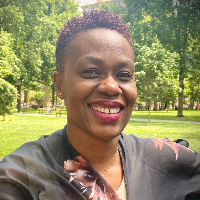
Valerie Keller Gates
LPCOklahoma · 7 yrs exp
Compassionate counselor focused on practical progress
Stress, Anxiety · Relationship · Grief · Depression · +8 more
Read profileTherapist listings are provided by BetterHelp. We will earn a commission at no additional cost to you if you use our links to purchase.
Use these Oklahoma profiles to compare focus areas, languages, credentials and therapeutic approaches among clinicians who list cultural identity and multicultural concerns. Browse profiles to find clinicians who align with your needs, and check each individual profile to confirm the listed location and that the clinician has permission to work with you where you live.
Oklahoma · 7 yrs exp
Compassionate counselor focused on practical progress
Stress, Anxiety · Relationship · Grief · Depression · +8 more
Read profile
Oklahoma · 9 yrs exp
Practical, values-driven support for everyday struggles
Stress, Anxiety · Anger · Self esteem · Coping with life changes · +16 more
Read profile
Oklahoma · 25 yrs exp
Calm practical therapy with experienced care
Stress, Anxiety · Family · Trauma and abuse · Parenting · +15 more
Read profile
Oklahoma · 19 yrs exp
Practical counseling for common life challenges
Stress, Anxiety · Grief · Parenting · Self esteem · +9 more
Read profile
Oklahoma · 6 yrs exp
Practical support for stress and trauma recovery
Stress, Anxiety · LGBT · Trauma and abuse · Depression · +11 more
Read profile
Oklahoma · 18 yrs exp
Practical, empathic counseling for life changes
Stress, Anxiety · Addictions · Relationship · Trauma and abuse · +8 more
Read profile
Oklahoma · 20 yrs exp
Practical, experience-led counseling for real life
Stress, Anxiety · Relationship · Family · Trauma and abuse · +5 more
Read profile
Oklahoma · 7 yrs exp
Therapist who centers your strengths
Stress, Anxiety · Addictions · Relationship · Trauma and abuse · +15 more
Read profile
Oklahoma · 11 yrs exp
Compassionate guidance for healings and growth
Relationship · Trauma and abuse · Self esteem · Coping with life changes · +12 more
Read profile
Oklahoma · 14 yrs exp
Practical support for relationship and trauma recovery
Relationship · Trauma and abuse · Anger · Self esteem · +12 more
Read profile
Oklahoma · 3 yrs exp
Support for identity and life transitions
Stress, Anxiety · LGBT · Self esteem · Depression · +7 more
Read profile
Oklahoma · 13 yrs exp
Practical support for change and resilience
Stress, Anxiety · Relationship · Family · Trauma and abuse · +11 more
Read profile
Oklahoma · 5 yrs exp
Compassionate counselor for stress and relationships
Stress, Anxiety · Family · Self esteem · Depression · +7 more
Read profile
Oklahoma · 15 yrs exp
Compassionate LCSW for practical healing
Stress, Anxiety · Relationship · Grief · Self esteem · +10 more
Read profile
Oklahoma · 8 yrs exp
Calm practical support for relationship and identity concerns
LGBT · Relationship · Family · Trauma and abuse · +1 more
Read profile
Oklahoma · 6 yrs exp
Compassionate, practical counseling for change
Addictions · Relationship · Trauma and abuse · Anger · +14 more
Read profile
Oklahoma · 4 yrs exp
Compassionate, practical support for life changes
Stress, Anxiety · Relationship · Grief · Self esteem · +1 more
Read profile
Oklahoma · 3 yrs exp
Compassionate counselor focused on practical growth
Stress, Anxiety · LGBT · Trauma and abuse · Depression · +14 more
Read profile
Oklahoma · 3 yrs exp
Compassionate support for everyday struggles
Stress, Anxiety · Relationship · Self esteem · Depression · +1 more
Read profile
Oklahoma · 27 yrs exp
Compassionate, practical support for life’s hard moments
Stress, Anxiety · Addictions · Parenting · Anger · +11 more
Read profile
Oklahoma · 10 yrs exp
Straightforward support for stress and life change
Stress, Anxiety · Self esteem · Depression · Coping with life changes
Read profile
Oklahoma · 7 yrs exp
Trauma-informed counselor focused on adults
Relationship · Trauma and abuse · Career · Depression · +1 more
Read profile
Oklahoma · 29 yrs exp
Compassionate care with practical tools
Stress, Anxiety · Trauma and abuse · Intimacy-related issues · Coping with life changes · +1 more
Read profileIf you are navigating questions about cultural identity, migration and acculturation, you are likely seeking a clinician who recognizes how culture shapes everyday experience. You may be dealing with shifts in family roles, language loss or gain, or the practical stresses of relocating to a new region. Many people also face intergenerational expectations that can feel at odds with personal goals. When you read profiles, notice whether a clinician lists migration, acculturation or intergenerational concerns among their focus areas; that signals they have noticed these topics in their work, but it is not evidence of shared background or formal certification.
Discrimination-related stress and the sense of not being understood are common reasons people search for culturally attentive care. Profiles that mention work with discrimination, identity-based stress, or cultural identity may provide initial clues about who might relate to your concerns. You will want to look for language that describes how clinicians say they approach these topics and bring specific questions to conversations with any clinician you consider. Ask how they conceptualize cultural identity in therapy and how they make space for your lived experience, so you can evaluate whether their way of working feels respectful and relevant to you.
The directory groups profiles under a listed location of Oklahoma, which helps you find clinicians associated with that region. A listed location is not proof of an office presence, physical proximity, or ongoing right to practice in that place. It is important to review each profile and confirm directly whether the clinician has permission to work with you where you live. This is especially important if you plan to meet online from a different state or country because rules about practicing across borders vary by jurisdiction.
Profiles will often include academic degrees alongside licensure or registration information. Academic credentials such as PhD, PsyD, MD, MA or MSW indicate completed training but do not by themselves establish current permission to practice. In the United States, look for statements about state-level licensure that indicate where a clinician is authorized to practice. In the United Kingdom and Australia, clinicians may refer to professional registration, membership or local regulatory bodies rather than the same licensure terminology used in the US. Always ask for clarification about what a degree, registration or license means in practical terms for working with you, and confirm licensing or registration that applies to your location before beginning care.
When you review a profile, prepare specific questions that matter to your situation. Instead of a general request for qualifications, ask whether the clinician has experience addressing migration-related challenges, intergenerational family expectations, identity-based stress or cultural identity exploration. You can ask how they integrate culture into clinical conversations and whether they have worked with people who face similar patterns of discrimination or language transition. Frame these as inquiry rather than as demands for proof: for example, ask "How do you typically explore cultural identity with clients?" or "Can you describe your experience with clients who have immigrated or who are navigating multiple cultural identities?"
Also ask about the approaches listed on a profile. Some clinicians list approaches such as cognitive-behavioral strategies, psychodynamic perspectives, narrative frameworks or therapists who list EMDR among their approaches. Use these mentions as starting points for conversation about fit rather than assuming any single approach will be used. Ask how the clinician adapts their approach when culture, migration or language differences are central to the work. You might inquire about typical session structure, how goals are set collaboratively, and what the clinician considers when cultural identity and family expectations influence priorities.
If you are considering remote sessions, there are practical and regulatory matters to cover before beginning. Ask whether the clinician is permitted to provide care to people in your state or country and request clear information about the rules that apply. Discuss the technology they use and how they protect your information, including any documentation about privacy practices and what to expect if technology fails. If you have concerns about language or interpretation, ask whether the clinician lists the languages you speak or whether they collaborate with interpreters and how that process works in practice.
It is also helpful to discuss boundaries and emergency planning up front. Since cross-jurisdictional work can affect how clinicians respond to crises, ask how they handle urgent situations when you live in a different region. Clarify expected response times for messages and how they prefer to schedule or reschedule sessions. These conversations help you decide if the clinician's logistical approach matches what you need and ensure you understand any limits on what can be provided remotely.
Comparing profiles effectively means looking beyond a single line of text and noticing patterns across the information presented. Start by reading the narrative portion of a profile to see how clinicians describe their work with cultural identity, migration, intergenerational dynamics and discrimination stress. Then note the stated focus areas and the languages a clinician lists, which can matter when nuance in expression is important. If a clinician lists multiple languages, consider whether those languages are described as conversational, fluent or primary, and bring questions about language use into your initial conversation.
Examine the combination of academic degrees and any licensure or registration details. Degrees identify education; licensure or registration indicates permission to practice in particular jurisdictions. Where you see clinicians who list population groups or age ranges, remember that a listed topic does not establish expertise with every demographic or guarantee they treat children, couples or families. Use the profile to generate targeted questions such as "Do you have experience working with people from my cultural background?" "How do you address experiences of discrimination in therapy?" and "Which languages do you use in sessions?" Ask also about therapeutic style - whether the clinician tends toward structured skill-building, open-ended reflection, cultural narrative exploration or a blended approach - and whether they list specific modalities among the approaches they use.
Ultimately, profiles are a starting point. You can use them to narrow options and prepare concrete questions, but you will want to confirm details directly with any clinician you contact. Review the listed location and verify permission to work where you live, ask about how culture figures into their practice, and discuss practical matters related to online work. By comparing focus areas, languages, credentials and style, you can identify clinicians to reach out to for an initial conversation and determine who may be the best match for the concerns you bring.
Attachment Issues
3898 therapists
Blended Family Issues
3343 therapists
Career
3685 therapists
Communication Problems
5114 therapists
Coping with Life Changes
5065 therapists
Family
4525 therapists
Family of Origin Issues
3322 therapists
Life Purpose
4954 therapists
Parenting
3768 therapists
Relationship
5165 therapists
Workplace Issues
4189 therapists