
Velma Jones
LCSWNew York · 29 yrs exp
Compassionate therapist who focuses on real-life change
Stress, Anxiety · Relationship · Trauma and abuse · Depression · +10 more
Read profileTherapist listings are provided by BetterHelp. We will earn a commission at no additional cost to you if you use our links to purchase.
This directory groups professionals who list Workplace Issues alongside multicultural concerns and cultural identity. Use the available filters to compare focus areas, languages, credentials, and approaches, then browse profiles to learn more.
New York · 29 yrs exp
Compassionate therapist who focuses on real-life change
Stress, Anxiety · Relationship · Trauma and abuse · Depression · +10 more
Read profile
North Carolina · 25 yrs exp
Compassionate therapist for complex life challenges
Stress, Anxiety · Relationship · Family · Grief · +15 more
Read profile
Colorado · 19 yrs exp
Practical, culturally aware therapy for life challenges
Stress, Anxiety · Relationship · Trauma and abuse · Grief · +12 more
Read profile
Texas · 13 yrs exp
Practical, relationship-centered therapy for real life
Stress, Anxiety · Relationship · Trauma and abuse · Anger · +11 more
Read profile
Florida · 20 yrs exp
Experienced counselor focusing on addiction and life changes
Stress, Anxiety · Addictions · Relationship · Self esteem · +16 more
Read profile
New York · 13 yrs exp
Calm, practical support for life’s difficult moments
Relationship · Trauma and abuse · Grief · Self esteem · +9 more
Read profile
Oregon · 26 yrs exp
Experienced LCSW for life transitions and trauma
Stress, Anxiety · Trauma and abuse · Grief · Depression · +10 more
Read profile
Kentucky · 18 yrs exp
Compassionate therapist for identity and relationships
LGBT · Relationship · Family · Self esteem · +14 more
Read profile
Louisiana · 7 yrs exp
Compassionate, practical counseling for life transitions
Stress, Anxiety · Family · Trauma and abuse · Parenting · +15 more
Read profile
Florida · 25 yrs exp
Compassionate counselor for trauma and relationships
Relationship · Trauma and abuse · Grief · Anger · +12 more
Read profile
Oklahoma · 7 yrs exp
Compassionate counselor focused on practical progress
Stress, Anxiety · Relationship · Grief · Depression · +8 more
Read profile
Missouri · 16 yrs exp
Empathic social worker guiding practical change
Stress, Anxiety · Trauma and abuse · Self esteem · Bipolar · +12 more
Read profile
North Carolina · 10 yrs exp
Faith-informed social worker focused on whole-person healing
Stress, Anxiety · Relationship · Family · Bipolar · +16 more
Read profile
New York · 35 yrs exp
Experienced LCSW focused on practical care
Stress, Anxiety · Self esteem · Career · ADHD · +10 more
Read profile
Louisiana · 10 yrs exp
Relationship-centered counselor focusing on real-life change
Stress, Anxiety · Relationship · Family · Depression · +12 more
Read profile
Oregon · 32 yrs exp
Calm guidance for lasting emotional change
Stress, Anxiety · Relationship · Trauma and abuse · Grief · +9 more
Read profile
Texas · 10 yrs exp
Practical, compassionate counseling for life transitions
Stress, Anxiety · Relationship · Family · Depression · +14 more
Read profile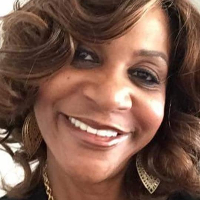
Ohio · 18 yrs exp
Warm, practical counseling with coaching elements
Stress, Anxiety · Trauma and abuse · Grief · Anger · +11 more
Read profile
Illinois · 10 yrs exp
Collaborative counseling focused on multicultural concerns
Stress, Anxiety · LGBT · Relationship · Trauma and abuse · +10 more
Read profile
Florida · 10 yrs exp
Therapist focused on practical change
Stress, Anxiety · Addictions · Family · Grief · +8 more
Read profile
Colorado · 11 yrs exp
Supportive counseling for identity and life change
Stress, Anxiety · LGBT · Trauma and abuse · Anger · +15 more
Read profile
Texas · 21 yrs exp
Practical, culturally aware therapy for life changes
Stress, Anxiety · Relationship · Trauma and abuse · Intimacy-related issues · +15 more
Read profile
Missouri · 14 yrs exp
Compassionate counselor and practical coach
Stress, Anxiety · Self esteem · Career · Depression · +13 more
Read profileWhen workplace concerns intersect with cultural identity, the issues you bring can range from managing microaggressions and discrimination stress to navigating promotion processes that feel unfamiliar because of migration or acculturation. You may be balancing intergenerational expectations from family with the demands of a new professional environment, negotiating cultural norms about communication or authority, or trying to find a sense of belonging after a move. Describe what is happening at work in concrete terms - the patterns, situations, and how these experiences affect your wellbeing and functioning. Naming the cultural dimensions that matter to you - whether that is language, ethnic background, faith, immigrant experience, or family roles - helps you and a prospective therapist focus on relevant dynamics.
Think about the goals you want to discuss. Some people want help with coping and boundaries, others with career transitions, and others wish to process the emotional impact of discrimination or exclusion. Bringing examples of workplace interactions that felt difficult helps you both evaluate whether a profile aligns with your needs. Remember that profiles list what a professional emphasizes; you will need to explore how that focus would apply in your specific situation during an initial conversation.
Workplace stress and cultural identity influence one another without implying a single cause. Cultural expectations can shape how you interpret feedback, set boundaries, or show leadership. Migration and acculturation may affect your communication style, professional network, and sense of authority at work. Intergenerational family expectations can create additional pressure around career choices, hours, or visibility. At the same time, workplace dynamics such as exclusion, tokenism, or stereotyping can intensify cultural distress and make it harder to feel understood.
When you look at profiles, you are seeking a professional who acknowledges these intersections and will work with them rather than treating the workplace issue in isolation. Many therapists list multicultural concerns, but listing a focus area does not by itself demonstrate specialist certification, a particular therapy method, diagnostic services, treatment outcomes, or guaranteed suitability for your case. Use the profile as a starting point to ask concrete questions about how a therapist would approach the mix of workplace and cultural factors you face.
Prepare specific questions to compare how different profiles might fit your needs. Ask about their experience with workplace discrimination, microaggressions, cross-cultural communication, migration-related stress, and intergenerational family expectations. You can ask whether they have worked with people in similar industries or professional roles and how they adapt approaches to cultural context. If you see an approach listed on a profile, for example CBT, psychodynamic work, or narrative approaches, frame questions as "How do you use approaches like CBT or narrative methods with clients who face cultural and workplace stress?" rather than assuming every therapist practices the same modalities.
Clarify credentials in a practical way. Degrees such as PhD, PsyD, MD, MA, or MSW indicate academic training but do not alone confirm current permission to practise. In the United States ask about current state licensure and the scope that licence authorizes. In the United Kingdom ask whether the professional is registered with the relevant UK regulator or holds recognised professional membership. In Australia ask about registration with an appropriate national body or membership in recognised professional associations. These distinctions matter because the rules that govern practice, record-keeping, and cross-border work differ by country. Profiles often list a degree and a listed location; use that information as a prompt to ask about current registration or licensing status and what that means for the services they provide.
If you are considering remote care, bring up practical and safety-related details up front. Ask what platform the therapist uses and what measures they take to protect your privacy and data. Discuss how they handle time zone differences, session length, and appointment scheduling if you are in a different region from their listed location. Confirm how they manage emergencies or crises when you are connecting remotely, and ask whether they have procedures for local referrals if immediate in-person support becomes necessary. For in-person meetings, check the listed location and ask where sessions would be held and whether the setting meets your comfort and cultural needs.
Talk about language and interpretation. If you prefer therapy in a language other than English, ask whether the therapist conducts sessions in that language, or whether they work with interpreters and what that would look like. Discuss how cultural practices, faith, or family expectations might be integrated into sessions and whether the therapist has experience addressing those dynamics. Finally, agree on practicalities such as how records are kept, consent processes, and cancellation policies. These operational details help you evaluate fit and set clear expectations before committing time to a first session.
When comparing profiles, look beyond a single label. Focus areas indicate what a therapist lists as part of their practice. Compare how prominently Workplace Issues and multicultural concerns appear, what additional focus areas are listed, and whether the therapist describes specific populations or settings they commonly work with. Pay attention to the languages listed on a profile and whether the therapist notes experience with migration, acculturation, or family dynamics that match your situation. Profiles that mention workplace-related approaches are prompts for questions, not guarantees; frame your comparisons around the extent and relevance of their described experience.
Assess therapeutic style through the language used in profiles. Some professionals emphasize collaborative, skills-based work while others highlight exploration of identity, meaning, or relational patterns. Think about which stance feels most likely to help you handle workplace interactions and cultural stresses. Use concrete comparison questions such as "Can you describe how you would approach a client experiencing microaggressions at work?" and "What is your experience working with clients managing acculturation and family expectations while pursuing career goals?" Remember that a listed topic does not establish that a therapist treats certain groups such as children, couples, or families; you should discuss your specific needs and the therapist's scope directly.
Ultimately, the profiles on this page are tools to help you narrow choices and start conversations. By focusing on the cultural dimensions that matter to you, the specific workplace situations you face, and clear questions about approach and credentials, you can make more informed comparisons and choose which profiles to contact for an initial discussion about fit.
Alabama
73 therapists
Alaska
11 therapists
Arizona
62 therapists
Arkansas
24 therapists
Australia
192 therapists
California
483 therapists
Colorado
101 therapists
Connecticut
40 therapists
Delaware
16 therapists
District of Columbia
20 therapists
Florida
595 therapists
Georgia
252 therapists
Hawaii
25 therapists
Idaho
24 therapists
Illinois
197 therapists
Indiana
61 therapists
Iowa
16 therapists
Kansas
27 therapists
Kentucky
54 therapists
Louisiana
110 therapists
Maine
14 therapists
Maryland
83 therapists
Massachusetts
59 therapists
Michigan
171 therapists
Minnesota
52 therapists
Mississippi
53 therapists
Missouri
112 therapists
Montana
23 therapists
Nebraska
23 therapists
Nevada
40 therapists
New Hampshire
13 therapists
New Jersey
126 therapists
New Mexico
18 therapists
New York
277 therapists
North Carolina
242 therapists
North Dakota
5 therapists
Ohio
104 therapists
Oklahoma
84 therapists
Oregon
48 therapists
Pennsylvania
131 therapists
Rhode Island
9 therapists
South Carolina
87 therapists
South Dakota
5 therapists
Tennessee
80 therapists
Texas
640 therapists
United Kingdom
1141 therapists
Utah
42 therapists
Vermont
4 therapists
Virginia
94 therapists
Washington
68 therapists
West Virginia
6 therapists
Wisconsin
67 therapists
Wyoming
9 therapists