
Velma Jones
LCSWNew York · 29 yrs exp
Compassionate therapist who focuses on real-life change
Stress, Anxiety · Relationship · Trauma and abuse · Depression · +10 more
Read profileTherapist listings are provided by BetterHelp. We will earn a commission at no additional cost to you if you use our links to purchase.
Compare profiles of professionals who list self esteem among their specialties alongside multicultural concerns and cultural identity experience. Use listed location, languages, credentials and approaches to find profiles that match what matters to you, then browse profiles below to learn more.
New York · 29 yrs exp
Compassionate therapist who focuses on real-life change
Stress, Anxiety · Relationship · Trauma and abuse · Depression · +10 more
Read profile
North Carolina · 25 yrs exp
Compassionate therapist for complex life challenges
Stress, Anxiety · Relationship · Family · Grief · +15 more
Read profile
Georgia · 20 yrs exp
Compassionate, culturally aware therapy for real life
Stress, Anxiety · Addictions · Relationship · Self esteem · +12 more
Read profile
Colorado · 19 yrs exp
Practical, culturally aware therapy for life challenges
Stress, Anxiety · Relationship · Trauma and abuse · Grief · +12 more
Read profile
Texas · 13 yrs exp
Practical, relationship-centered therapy for real life
Stress, Anxiety · Relationship · Trauma and abuse · Anger · +11 more
Read profile
Florida · 20 yrs exp
Experienced counselor focusing on addiction and life changes
Stress, Anxiety · Addictions · Relationship · Self esteem · +16 more
Read profile
Missouri · 23 yrs exp
Compassionate counselor guiding practical change
Stress, Anxiety · Addictions · Trauma and abuse · Career · +10 more
Read profile
Georgia · 10 yrs exp
Compassionate counselor for life transitions
Stress, Anxiety · Grief · Self esteem · Depression · +10 more
Read profile
New York · 13 yrs exp
Calm, practical support for life’s difficult moments
Relationship · Trauma and abuse · Grief · Self esteem · +9 more
Read profile
Mississippi · 16 yrs exp
Relationship-focused counselor for practical change
Stress, Anxiety · Relationship · Family · Parenting · +6 more
Read profile
Oregon · 26 yrs exp
Experienced LCSW for life transitions and trauma
Stress, Anxiety · Trauma and abuse · Grief · Depression · +10 more
Read profile
Georgia · 8 yrs exp
Compassionate, culturally aware counseling
Stress, Anxiety · Relationship · Family · Grief · +11 more
Read profile
Kentucky · 18 yrs exp
Compassionate therapist for identity and relationships
LGBT · Relationship · Family · Self esteem · +14 more
Read profile
Colorado · 15 yrs exp
Direct, goal-focused counselor
Stress, Anxiety · Relationship · Intimacy-related issues · Self esteem · +10 more
Read profile
Louisiana · 7 yrs exp
Compassionate, practical counseling for life transitions
Stress, Anxiety · Family · Trauma and abuse · Parenting · +15 more
Read profile
Florida · 25 yrs exp
Compassionate counselor for trauma and relationships
Relationship · Trauma and abuse · Grief · Anger · +12 more
Read profile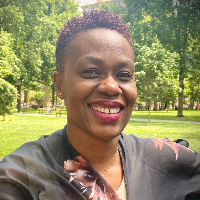
Oklahoma · 7 yrs exp
Compassionate counselor focused on practical progress
Stress, Anxiety · Relationship · Grief · Depression · +8 more
Read profile
New York · 5 yrs exp
Culturally aware, action-focused counseling
Stress, Anxiety · LGBT · Trauma and abuse · Bipolar · +12 more
Read profile
Missouri · 16 yrs exp
Empathic social worker guiding practical change
Stress, Anxiety · Trauma and abuse · Self esteem · Bipolar · +12 more
Read profile
North Carolina · 10 yrs exp
Faith-informed social worker focused on whole-person healing
Stress, Anxiety · Relationship · Family · Bipolar · +16 more
Read profile
New York · 11 yrs exp
Practical, values‑focused therapy with steady support
Stress, Anxiety · Grief · Self esteem · Relationship · +8 more
Read profile
New York · 35 yrs exp
Experienced LCSW focused on practical care
Stress, Anxiety · Self esteem · Career · ADHD · +10 more
Read profile
Louisiana · 10 yrs exp
Relationship-centered counselor focusing on real-life change
Stress, Anxiety · Relationship · Family · Depression · +12 more
Read profile
Oregon · 32 yrs exp
Calm guidance for lasting emotional change
Stress, Anxiety · Relationship · Trauma and abuse · Grief · +9 more
Read profileWhen you are thinking about self esteem, culture often shapes how you experience worth, achievement and belonging. Your sense of self can be influenced by family expectations, community values, faith traditions and the social messages you encounter in work or school. If you or your family moved across borders, migration and acculturation pressures - such as learning a new language, adapting to different norms or managing income and legal changes - can affect how you see yourself and how others respond to you. Experiences of discrimination, microaggressions or exclusion can chip away at confidence and make it harder to trust yourself in unfamiliar settings. Intergenerational dynamics can also matter - expectations from parents or elders about career, education or relationships may conflict with your own sense of identity and priorities.
Recognizing these connections does not mean that cultural factors are the only reason for changes in self esteem, but it can help you frame what feels most important to address. You may be looking for a professional who acknowledges culture, migration and family expectations when exploring issues such as self-criticism, social anxiety, perfectionism or identity confusion. That context can influence the questions you ask and the kinds of approaches you prefer to consider.
This directory groups profiles that list self esteem alongside multicultural concerns and cultural identity, but listing a focus area is not evidence of specialist certification or a particular training. Seeing both topics listed can be a useful sign that a professional is open to discussing cultural influences on self esteem, yet you should still ask about experience and approach when you contact someone. Multicultural concerns include attention to the impact of race, ethnicity, migration status, language, religion and other identity factors on mental health and coping. For many people, exploring self esteem in therapy includes conversations about belonging, stigma, role expectations and managing stress from prejudice or systemic barriers.
When a profile lists cultural identity or multicultural concerns, it indicates that the professional has identified those topics as part of the work they address. It does not, on its own, guarantee shared cultural background or evidence of specific competency. Use the information in profiles as a starting point to consider who may understand your perspective and to prepare concrete questions about experience that matter to you.
Before you initiate contact, think about what you need to know in order to feel comfortable. You can ask how a professional typically explores self esteem with clients from diverse backgrounds and which approaches they use in that work. Phrase questions so they are direct - for example, ask whether they have experience working with people who migrated recently, or who navigate intergenerational expectations from immigrant families. You can ask which therapeutic approaches they list among their methods, remembering that a profile entry is not a declaration of certification. A helpful way to frame questions is to ask how they adapt those approaches when culture, language or faith are central to the concern.
Also ask practical questions about credentials and authorization to practice. If the professional lists an academic degree such as PhD, PsyD, MD, MA or MSW, recognize that a degree indicates training but does not alone establish permission to practice. In the United States clinicians often hold state licenses; in the United Kingdom professionals may have registration or membership with a national body; in Australia practitioners may list registration, membership or other credentialing. Ask directly about their current registration or license where this matters for your context, and what it means for the type of care they offer. Finally, ask about experience with specific populations, languages spoken, and any work with discrimination stress or acculturation-related issues that relate to your situation.
If you are considering remote or online sessions, there are practical topics to clarify so you can make an informed choice. Confirm the listed location of the professional and whether they are permitted to work with people in your country or state. Ask how they handle time zones and scheduling if you live far from their listed location. Discuss how they address emergency situations - for example, what steps they recommend if you are in crisis and where local help can be reached.
Talk about technology and privacy protections, including how session notes are kept and what communication methods the professional uses outside of sessions. Ask whether they offer a written agreement or informed consent that outlines session expectations, cancellation policies and how they manage boundaries. If language is important to you, confirm which languages are offered and whether interpretation or bilingual services are part of the profile. Bringing these questions up before you begin will help you set clear expectations and determine whether the professional’s way of working fits your needs.
Comparing profiles can help you narrow toward professionals who match your priorities. Start by reading the focus areas and approach descriptions in profiles to see who lists self esteem together with cultural identity or multicultural concerns. Then note which languages are spoken and whether cultural experience aligns with what matters to you. If addressing migration or acculturation is a priority, look for profiles that mention migration-related work or experience with acculturation stress. When you compare credentials, separate academic degrees from professional authorization. A PhD or MSW reflects an academic credential; a license in the United States, a registration or membership in the United Kingdom, or an Australian registration indicates local permission or professional affiliation. Asking clear questions about current authorization and what it allows is appropriate and important.
Consider style and approach as part of your comparison. Some profiles will note therapeutic orientations that a professional lists among their approaches - for example, cognitive-behavioral ideas, narrative work that explores identity stories, or relational approaches that examine family dynamics. Rather than assuming any approach will be used in every session, use the profile to prepare questions such as how the clinician integrates cultural identity into their work and how they tailor methods to individual needs. Finally, remember that a listed topic does not automatically mean the professional treats children, couples or families, so check scope directly if that matters for your situation. Comparing profiles with these concrete questions will help you choose who to contact and what to ask when you do.
Alabama
73 therapists
Alaska
11 therapists
Arizona
62 therapists
Arkansas
24 therapists
Australia
192 therapists
California
483 therapists
Colorado
101 therapists
Connecticut
40 therapists
Delaware
16 therapists
District of Columbia
20 therapists
Florida
595 therapists
Georgia
252 therapists
Hawaii
25 therapists
Idaho
24 therapists
Illinois
197 therapists
Indiana
61 therapists
Iowa
16 therapists
Kansas
27 therapists
Kentucky
54 therapists
Louisiana
110 therapists
Maine
14 therapists
Maryland
83 therapists
Massachusetts
59 therapists
Michigan
171 therapists
Minnesota
52 therapists
Mississippi
53 therapists
Missouri
112 therapists
Montana
23 therapists
Nebraska
23 therapists
Nevada
40 therapists
New Hampshire
13 therapists
New Jersey
126 therapists
New Mexico
18 therapists
New York
277 therapists
North Carolina
242 therapists
North Dakota
5 therapists
Ohio
104 therapists
Oklahoma
84 therapists
Oregon
48 therapists
Pennsylvania
131 therapists
Rhode Island
9 therapists
South Carolina
87 therapists
South Dakota
5 therapists
Tennessee
80 therapists
Texas
640 therapists
United Kingdom
1141 therapists
Utah
42 therapists
Vermont
4 therapists
Virginia
94 therapists
Washington
68 therapists
West Virginia
6 therapists
Wisconsin
67 therapists
Wyoming
9 therapists