
Velma Jones
LCSWNew York · 29 yrs exp
Compassionate therapist who focuses on real-life change
Stress, Anxiety · Relationship · Trauma and abuse · Depression · +10 more
Read profileTherapist listings are provided by BetterHelp. We will earn a commission at no additional cost to you if you use our links to purchase.
This page groups profiles of clinicians who list Relationship and cultural identity among their areas of focus. Visitors can compare listed location, languages, credentials, registration or licensing, and therapeutic approaches before browsing profiles.
New York · 29 yrs exp
Compassionate therapist who focuses on real-life change
Stress, Anxiety · Relationship · Trauma and abuse · Depression · +10 more
Read profile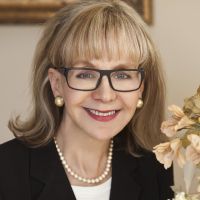
North Carolina · 25 yrs exp
Compassionate therapist for complex life challenges
Stress, Anxiety · Relationship · Family · Grief · +15 more
Read profile
Georgia · 20 yrs exp
Compassionate, culturally aware therapy for real life
Stress, Anxiety · Addictions · Relationship · Self esteem · +12 more
Read profile
North Carolina · 30 yrs exp
Practical, trauma-informed therapy with warmth
Relationship · Parenting · Anger · Stress, Anxiety · +5 more
Read profile
Colorado · 19 yrs exp
Practical, culturally aware therapy for life challenges
Stress, Anxiety · Relationship · Trauma and abuse · Grief · +12 more
Read profile
Texas · 13 yrs exp
Practical, relationship-centered therapy for real life
Stress, Anxiety · Relationship · Trauma and abuse · Anger · +11 more
Read profile
Florida · 20 yrs exp
Experienced counselor focusing on addiction and life changes
Stress, Anxiety · Addictions · Relationship · Self esteem · +16 more
Read profile
Missouri · 23 yrs exp
Compassionate counselor guiding practical change
Stress, Anxiety · Addictions · Trauma and abuse · Career · +10 more
Read profile
Georgia · 10 yrs exp
Compassionate counselor for life transitions
Stress, Anxiety · Grief · Self esteem · Depression · +10 more
Read profile
New York · 13 yrs exp
Calm, practical support for life’s difficult moments
Relationship · Trauma and abuse · Grief · Self esteem · +9 more
Read profile
Mississippi · 16 yrs exp
Relationship-focused counselor for practical change
Stress, Anxiety · Relationship · Family · Parenting · +6 more
Read profile
Oregon · 26 yrs exp
Experienced LCSW for life transitions and trauma
Stress, Anxiety · Trauma and abuse · Grief · Depression · +10 more
Read profile
Georgia · 8 yrs exp
Compassionate, culturally aware counseling
Stress, Anxiety · Relationship · Family · Grief · +11 more
Read profile
Kentucky · 18 yrs exp
Compassionate therapist for identity and relationships
LGBT · Relationship · Family · Self esteem · +14 more
Read profile
Colorado · 15 yrs exp
Direct, goal-focused counselor
Stress, Anxiety · Relationship · Intimacy-related issues · Self esteem · +10 more
Read profile
Louisiana · 7 yrs exp
Compassionate, practical counseling for life transitions
Stress, Anxiety · Family · Trauma and abuse · Parenting · +15 more
Read profile
Florida · 25 yrs exp
Compassionate counselor for trauma and relationships
Relationship · Trauma and abuse · Grief · Anger · +12 more
Read profile
Oklahoma · 7 yrs exp
Compassionate counselor focused on practical progress
Stress, Anxiety · Relationship · Grief · Depression · +8 more
Read profile
New York · 5 yrs exp
Culturally aware, action-focused counseling
Stress, Anxiety · LGBT · Trauma and abuse · Bipolar · +12 more
Read profile
Missouri · 16 yrs exp
Empathic social worker guiding practical change
Stress, Anxiety · Trauma and abuse · Self esteem · Bipolar · +12 more
Read profile
North Carolina · 10 yrs exp
Faith-informed social worker focused on whole-person healing
Stress, Anxiety · Relationship · Family · Bipolar · +16 more
Read profile
New York · 11 yrs exp
Practical, values‑focused therapy with steady support
Stress, Anxiety · Grief · Self esteem · Relationship · +8 more
Read profile
New York · 35 yrs exp
Experienced LCSW focused on practical care
Stress, Anxiety · Self esteem · Career · ADHD · +10 more
Read profile
Louisiana · 10 yrs exp
Relationship-centered counselor focusing on real-life change
Stress, Anxiety · Relationship · Family · Depression · +12 more
Read profileWhen you bring relationship concerns to therapy, culture often shapes the experience in ways that matter to the work. Migration and acculturation can change daily roles, expectations and stressors, and those shifts can show up in how partners communicate, resolve conflict and make decisions. Intergenerational and family expectations may create pressure to honor traditions or to follow different timelines for milestones such as marriage, childbearing or caregiving. Discrimination stress and microaggressions can erode trust and energy in relationships, and feeling understood by a therapist who recognizes these dynamics can influence whether you feel comfortable discussing painful events.
Because cultural identity and belonging are woven into relationship patterns, your priorities may include negotiating cultural differences between partners, addressing loyalty to family versus autonomy, finding ways to parent across cultural norms or recovering from harm related to prejudice. You may also be weighing whether to bring extended family into conversations, how to explain cultural values to a partner who grew up elsewhere, or how to reconnect after migration-related losses. All of these concerns are valid and relevant to the relationship work you seek.
This directory groups profiles that list Relationship and cultural identity or multicultural concerns as focus areas. That grouping is a filtering tool to help you find profiles to review; it does not prove any particular clinician has specialized credentials beyond what is shown on their profile. Each profile may list degrees such as PhD, PsyD, MD, MA or MSW and may also note professional registration, licensure or membership. A listed academic degree is an indicator of education but is not the same as current permission to practice in a particular jurisdiction.
Regulation and terminology vary by country. In the United States many clinicians display state licensure; in the United Kingdom clinicians may show registration or chartered membership with a professional body; in Australia profiles may note national registration or association membership. Profiles use "listed location" to indicate where a clinician works or bases their practice. You should not assume that every profile reflects the same type of credentialing process or that a listed focus area means a clinician routinely treats every population or relationship configuration. Use the information on profiles to identify candidates to contact and to prepare questions tailored to your needs.
Before contacting a clinician, it helps to have concrete questions that let you compare how they describe their work. Ask whether they have experience with migration and acculturation stress and how they describe that experience in relation to relationship difficulties. You can ask how they have worked with intergenerational expectations in families similar to yours and whether they have supported couples where cultural or religious practices influence decision making. It is reasonable to request examples of how they help partners navigate discrimination stress and the process they use to make each person feel heard.
Probe about therapeutic approaches in an open way by asking which approaches they list on their profile and what that looks like in practice. For example, you might say: "I see you list EMDR among your approaches - how might that be used with relationship-related trauma?" Remember that a profile item only indicates an approach is listed, not proof of a specific certification. Ask how they tailor methods to cultural values and how they involve partners, family or community when appropriate. Also clarify whether they work with couples, individuals or families, since a listed topic does not automatically mean the clinician treats couples or minors.
Finally, include direct questions about language and lived experience: which languages they use in sessions, whether they collaborate with interpreters, and how they approach cultural humility in therapy. Concrete conversation starters will give you a clearer sense of how well a clinician’s style and experience align with your priorities.
If you plan to meet online, bring up practical and ethical topics before your first session. Confirm the clinician’s listed location and whether they are permitted to offer remote care to people in your jurisdiction, since regulatory rules vary and a degree does not automatically confer cross-border permission to practice. Ask about the technical platform they use, what to do if a session is interrupted, and how they handle emergency situations when you and the clinician are in different regions. It is important to know what local resources or crisis services they recommend in case you need urgent support.
Talk about language preferences and interpretation. If you prefer to speak in a language other than the clinician’s main language, ask whether they conduct sessions in that language or work with a professional interpreter and how information-sharing boundaries and comfort are maintained with a third person present. Discuss cultural and religious considerations that are important to you, such as ritual observance, family involvement or gender-specific concerns, and ask how these will be respected in sessions. Clear, early conversation about logistics and expectations helps you decide whether a clinician’s approach fits the practical and cultural aspects of your care.
When reviewing profiles, look at how clinicians describe their focus areas and what that description suggests about their practice. Focus area labels can be broad, so read the accompanying text for details about the kinds of relationship work they emphasize. Notice which languages are listed and how fluently those languages are presented; a profile that lists a language may also indicate whether it is a primary working language. Consider the clinician’s listed location and whether you want someone nearby for in-person work or within a compatible time zone for online sessions.
Distinguish academic degrees from professional permissions. A PhD, PsyD or MD indicates an academic or medical degree, while an MA or MSW reflects graduate-level training. Licenses and registrations are separate and may be described on the profile as state licensure, national registration or membership in a professional body. If you see a clinician who notes particular therapeutic approaches, bear in mind that these are approaches they list - you can ask how they apply them in relationship work. Read descriptions of therapeutic style and voice on the profile to sense whether the clinician emphasizes pragmatic skills, reflective exploration, cultural context or systemic family work.
As you narrow your list, prepare a few comparison questions to use when you contact clinicians. Ask about typical session structure for relationship concerns, how partners are involved, how cultural themes are integrated and whether the clinician has experience with your specific migration, faith or family background. Confirm how they define their scope of practice and whether they work with couples, individuals or family systems, rather than assuming this from a focus label alone. Using profiles to gather this information will help you make a more informed decision about who to contact for a conversation about your needs.
Finding a clinician who understands the intersection of relationship issues and cultural identity can take some time. Use the details on profiles to compare focus areas, languages, credentials and therapeutic style, and enter conversations prepared with specific questions about migration, acculturation, intergenerational expectations and discrimination stress. That approach will make it easier to assess whether a clinician’s experience and way of working align with what you want to explore.
Alabama
73 therapists
Alaska
11 therapists
Arizona
62 therapists
Arkansas
24 therapists
Australia
192 therapists
California
483 therapists
Colorado
101 therapists
Connecticut
40 therapists
Delaware
16 therapists
District of Columbia
20 therapists
Florida
595 therapists
Georgia
252 therapists
Hawaii
25 therapists
Idaho
24 therapists
Illinois
197 therapists
Indiana
61 therapists
Iowa
16 therapists
Kansas
27 therapists
Kentucky
54 therapists
Louisiana
110 therapists
Maine
14 therapists
Maryland
83 therapists
Massachusetts
59 therapists
Michigan
171 therapists
Minnesota
52 therapists
Mississippi
53 therapists
Missouri
112 therapists
Montana
23 therapists
Nebraska
23 therapists
Nevada
40 therapists
New Hampshire
13 therapists
New Jersey
126 therapists
New Mexico
18 therapists
New York
277 therapists
North Carolina
242 therapists
North Dakota
5 therapists
Ohio
104 therapists
Oklahoma
84 therapists
Oregon
48 therapists
Pennsylvania
131 therapists
Rhode Island
9 therapists
South Carolina
87 therapists
South Dakota
5 therapists
Tennessee
80 therapists
Texas
640 therapists
United Kingdom
1141 therapists
Utah
42 therapists
Vermont
4 therapists
Virginia
94 therapists
Washington
68 therapists
West Virginia
6 therapists
Wisconsin
67 therapists
Wyoming
9 therapists