
Velma Jones
LCSWNew York · 29 yrs exp
Compassionate therapist who focuses on real-life change
Stress, Anxiety · Relationship · Trauma and abuse · Depression · +10 more
Read profileTherapist listings are provided by BetterHelp. We will earn a commission at no additional cost to you if you use our links to purchase.
Use these profiles to compare therapists who list life purpose and cultural identity among their focus areas, including migration, acculturation and family expectations.
Browse by listed location, languages, credentials and therapeutic approaches to find profiles that match what you want and contact practitioners directly.
New York · 29 yrs exp
Compassionate therapist who focuses on real-life change
Stress, Anxiety · Relationship · Trauma and abuse · Depression · +10 more
Read profile
North Carolina · 25 yrs exp
Compassionate therapist for complex life challenges
Stress, Anxiety · Relationship · Family · Grief · +15 more
Read profile
Colorado · 19 yrs exp
Practical, culturally aware therapy for life challenges
Stress, Anxiety · Relationship · Trauma and abuse · Grief · +12 more
Read profile
Texas · 13 yrs exp
Practical, relationship-centered therapy for real life
Stress, Anxiety · Relationship · Trauma and abuse · Anger · +11 more
Read profile
Florida · 20 yrs exp
Experienced counselor focusing on addiction and life changes
Stress, Anxiety · Addictions · Relationship · Self esteem · +16 more
Read profile
Georgia · 10 yrs exp
Compassionate counselor for life transitions
Stress, Anxiety · Grief · Self esteem · Depression · +10 more
Read profile
Mississippi · 16 yrs exp
Relationship-focused counselor for practical change
Stress, Anxiety · Relationship · Family · Parenting · +6 more
Read profile
Oregon · 26 yrs exp
Experienced LCSW for life transitions and trauma
Stress, Anxiety · Trauma and abuse · Grief · Depression · +10 more
Read profile
Kentucky · 18 yrs exp
Compassionate therapist for identity and relationships
LGBT · Relationship · Family · Self esteem · +14 more
Read profile
Louisiana · 7 yrs exp
Compassionate, practical counseling for life transitions
Stress, Anxiety · Family · Trauma and abuse · Parenting · +15 more
Read profile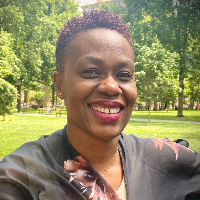
Oklahoma · 7 yrs exp
Compassionate counselor focused on practical progress
Stress, Anxiety · Relationship · Grief · Depression · +8 more
Read profile
New York · 5 yrs exp
Culturally aware, action-focused counseling
Stress, Anxiety · LGBT · Trauma and abuse · Bipolar · +12 more
Read profile
Missouri · 16 yrs exp
Empathic social worker guiding practical change
Stress, Anxiety · Trauma and abuse · Self esteem · Bipolar · +12 more
Read profile
North Carolina · 10 yrs exp
Faith-informed social worker focused on whole-person healing
Stress, Anxiety · Relationship · Family · Bipolar · +16 more
Read profile
New York · 11 yrs exp
Practical, values‑focused therapy with steady support
Stress, Anxiety · Grief · Self esteem · Relationship · +8 more
Read profile
Louisiana · 10 yrs exp
Relationship-centered counselor focusing on real-life change
Stress, Anxiety · Relationship · Family · Depression · +12 more
Read profile
Oregon · 32 yrs exp
Calm guidance for lasting emotional change
Stress, Anxiety · Relationship · Trauma and abuse · Grief · +9 more
Read profile
Texas · 10 yrs exp
Practical, compassionate counseling for life transitions
Stress, Anxiety · Relationship · Family · Depression · +14 more
Read profile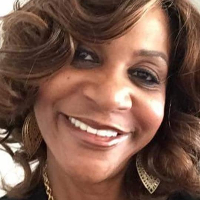
Ohio · 18 yrs exp
Warm, practical counseling with coaching elements
Stress, Anxiety · Trauma and abuse · Grief · Anger · +11 more
Read profile
Illinois · 10 yrs exp
Collaborative counseling focused on multicultural concerns
Stress, Anxiety · LGBT · Relationship · Trauma and abuse · +10 more
Read profile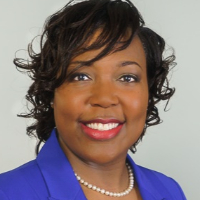
Florida · 10 yrs exp
Compassionate counselor for life transitions
Relationship · Family · Self esteem · Depression · +4 more
Read profile
Florida · 10 yrs exp
Therapist focused on practical change
Stress, Anxiety · Addictions · Family · Grief · +8 more
Read profile
Colorado · 11 yrs exp
Supportive counseling for identity and life change
Stress, Anxiety · LGBT · Trauma and abuse · Anger · +15 more
Read profileWhen you are exploring questions about meaning, direction and purpose, culture often shapes how those questions appear and feel. Your sense of purpose may be tied to family roles, community responsibilities, spiritual traditions or expectations shaped by migration and acculturation. If you or your family moved across borders, you may be balancing the values and hopes of different generations while trying to define what matters to you personally. Intergenerational and family expectations commonly influence career choices, caregiving roles and the ways people express their values. Discrimination stress can also change the landscape of purpose by producing barriers or by prompting you to redefine priorities in response to systemic challenges.
In this context you may look for a therapist who recognizes how cultural narratives and migration history shape identity and motivation. Profiles on this page let you see which practitioners list cultural identity and multicultural concerns among their focus areas so you can pick professionals whose stated interests align with the themes you want to explore. Remember that a listed focus area does not guarantee a shared background or a particular type of training, and that profiles reflect what each practitioner chooses to highlight about their work.
Exploring life purpose does not happen in a vacuum. You might be asking whether your goals align with family expectations, whether your values shift as you acculturate, or how to respond when experiences of discrimination affect your sense of meaning. For someone who has migrated, acculturation can create tensions between preserving cultural heritage and adapting to a new social environment. Those tensions often show up in choices about education, work and relationships - areas that naturally tie into questions about purpose.
Therapy conversations about purpose can include examining cultural narratives that shaped you, clarifying personal values apart from family duty, and identifying practical steps toward meaningful activities. Some practitioners describe approaches that foreground identity exploration, narrative work, career counseling or community engagement. You will find profiles that note these emphases, and you can raise specific questions about how a practitioner integrates cultural context into sessions. The directory groups professionals who list life purpose and multicultural concerns so you can consider how those themes intersect in each profile.
When you review profiles, think about the concrete questions you would want answered before contacting a practitioner. You might ask how they typically work with clients who are navigating migration or acculturation, what experience they have addressing intergenerational expectations, and how they understand the impact of discrimination stress on identity and purpose. It is useful to inquire whether they conduct sessions in your preferred language and whether they have experience with cultural or faith-based contexts similar to yours.
Pay attention to listed academic degrees and professional descriptions. You will see degrees such as PhD, PsyD, MD, MA or MSW in profiles - these indicate academic preparation but do not by themselves establish current permission to practice. For clinical permission, look for references to licensing in US states or registration and membership in UK and Australian professional bodies; terminology differs across countries, so note whether a profile refers to a US license, UK registration or Australian membership. Also ask how the practitioner describes their therapeutic style and whether they list specific approaches among their offerings. For example, you may find therapists who list EMDR among their approaches or who mention narrative-oriented work. That wording makes clear the approach is mentioned by the practitioner, not an assurance of formal certification.
Before you begin working with anyone, have a short conversation about the practical aspects that matter to you. Clarify session format, whether you prefer in-person meetings in the practitioner's listed location or remote sessions, and which language will be used. Discuss how the practitioner addresses cultural themes, what kinds of goals they typically support when people ask about life purpose, and whether they have worked with clients facing discrimination-related stress or complex family dynamics.
It is also important to ask about logistical details that vary across settings. Ask how the practitioner manages privacy and personal information, what to expect in the event of an emergency in your country, and whether there are limits to the types of concerns they can address. A listed topic does not establish that the therapist treats children, couples, or families, so ask directly if the practitioner works with the population you have in mind. These conversations help you gauge whether a particular profile aligns with your needs without relying on assumptions about background or training.
When you compare profiles, try to read descriptions through the lens of what you need to explore. Focus areas tell you what themes a practitioner highlights, such as life purpose, cultural identity or multicultural concerns. Languages listed on a profile indicate which spoken languages the practitioner notes for communication, and that can be an important factor if you prefer to work in a language linked to your cultural background. Credentials in a profile may include academic degrees like PhD, PsyD, MD, MA or MSW and references to professional status. In the United States you will often see references to state licenses, while in the United Kingdom or Australia profiles may mention professional registration or membership instead of a license. These distinctions matter because degree titles do not automatically mean current permission to practice; you should ask about the relevant authorization directly.
Therapeutic style is another key comparison point. Profiles may describe a reflective, directive or practical approach, or note specific techniques the practitioner lists among their approaches. If a profile says a therapist lists EMDR among their approaches or emphasizes narrative and meaning-making work, treat that as an invitation to ask how those approaches might be applied to your concerns. Consider whether you prefer a practitioner who integrates community and cultural resources into goal-setting, or someone who focuses more on values clarification and decision-making. By comparing profiles across these dimensions - focus areas, languages, credentials and style - you can form a short list of practitioners whose stated interests and descriptions resonate with your needs.
Search with attention to the specific cultural and life-purpose themes you want to explore, and use profile details as starting points for conversations. Reach out to practitioners with directly stated questions: inquire about their experience with migration and acculturation, ask how they address intergenerational expectations in goal-setting, and describe any discrimination stress you are facing to learn how they typically work with that issue. Keep in mind that a practitioner listing multicultural concerns alongside life purpose signals an interest in those themes but does not guarantee a shared background or a particular credential. Use the profile information to request clarifying details and to choose whom you want to speak with first.
Ultimately the best match depends on how comfortable you feel discussing cultural identity and purpose with someone, how aligned their approach seems with your goals, and whether you can communicate in the language you prefer. Take the time to compare profiles by listed location, languages, credentials and therapeutic style, and to ask concrete questions before you make a decision about next steps. That process helps you identify practitioners who are positioned to engage the cultural dimensions of your life purpose work in a way that fits your needs.
Alabama
73 therapists
Alaska
11 therapists
Arizona
62 therapists
Arkansas
24 therapists
Australia
192 therapists
California
483 therapists
Colorado
101 therapists
Connecticut
40 therapists
Delaware
16 therapists
District of Columbia
20 therapists
Florida
595 therapists
Georgia
252 therapists
Hawaii
25 therapists
Idaho
24 therapists
Illinois
197 therapists
Indiana
61 therapists
Iowa
16 therapists
Kansas
27 therapists
Kentucky
54 therapists
Louisiana
110 therapists
Maine
14 therapists
Maryland
83 therapists
Massachusetts
59 therapists
Michigan
171 therapists
Minnesota
52 therapists
Mississippi
53 therapists
Missouri
112 therapists
Montana
23 therapists
Nebraska
23 therapists
Nevada
40 therapists
New Hampshire
13 therapists
New Jersey
126 therapists
New Mexico
18 therapists
New York
277 therapists
North Carolina
242 therapists
North Dakota
5 therapists
Ohio
104 therapists
Oklahoma
84 therapists
Oregon
48 therapists
Pennsylvania
131 therapists
Rhode Island
9 therapists
South Carolina
87 therapists
South Dakota
5 therapists
Tennessee
80 therapists
Texas
640 therapists
United Kingdom
1141 therapists
Utah
42 therapists
Vermont
4 therapists
Virginia
94 therapists
Washington
68 therapists
West Virginia
6 therapists
Wisconsin
67 therapists
Wyoming
9 therapists