
Velma Jones
LCSWNew York · 29 yrs exp
Compassionate therapist who focuses on real-life change
Stress, Anxiety · Relationship · Trauma and abuse · Depression · +10 more
Read profileTherapist listings are provided by BetterHelp. We will earn a commission at no additional cost to you if you use our links to purchase.
This directory groups profiles of therapists who list guilt and shame among their focus areas alongside cultural identity and multicultural concerns. Use filters to compare listed location, approaches, credentials, languages, and profile details, then browse profiles to decide who to contact.
New York · 29 yrs exp
Compassionate therapist who focuses on real-life change
Stress, Anxiety · Relationship · Trauma and abuse · Depression · +10 more
Read profile
Colorado · 19 yrs exp
Practical, culturally aware therapy for life challenges
Stress, Anxiety · Relationship · Trauma and abuse · Grief · +12 more
Read profile
Texas · 13 yrs exp
Practical, relationship-centered therapy for real life
Stress, Anxiety · Relationship · Trauma and abuse · Anger · +11 more
Read profile
Florida · 20 yrs exp
Experienced counselor focusing on addiction and life changes
Stress, Anxiety · Addictions · Relationship · Self esteem · +16 more
Read profile
Missouri · 23 yrs exp
Compassionate counselor guiding practical change
Stress, Anxiety · Addictions · Trauma and abuse · Career · +10 more
Read profile
Oregon · 26 yrs exp
Experienced LCSW for life transitions and trauma
Stress, Anxiety · Trauma and abuse · Grief · Depression · +10 more
Read profile
Georgia · 8 yrs exp
Compassionate, culturally aware counseling
Stress, Anxiety · Relationship · Family · Grief · +11 more
Read profile
Kentucky · 18 yrs exp
Compassionate therapist for identity and relationships
LGBT · Relationship · Family · Self esteem · +14 more
Read profile
Colorado · 15 yrs exp
Direct, goal-focused counselor
Stress, Anxiety · Relationship · Intimacy-related issues · Self esteem · +10 more
Read profile
Louisiana · 7 yrs exp
Compassionate, practical counseling for life transitions
Stress, Anxiety · Family · Trauma and abuse · Parenting · +15 more
Read profile
Florida · 25 yrs exp
Compassionate counselor for trauma and relationships
Relationship · Trauma and abuse · Grief · Anger · +12 more
Read profile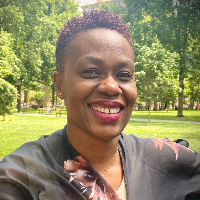
Oklahoma · 7 yrs exp
Compassionate counselor focused on practical progress
Stress, Anxiety · Relationship · Grief · Depression · +8 more
Read profile
Missouri · 16 yrs exp
Empathic social worker guiding practical change
Stress, Anxiety · Trauma and abuse · Self esteem · Bipolar · +12 more
Read profile
North Carolina · 10 yrs exp
Faith-informed social worker focused on whole-person healing
Stress, Anxiety · Relationship · Family · Bipolar · +16 more
Read profile
New York · 11 yrs exp
Practical, values‑focused therapy with steady support
Stress, Anxiety · Grief · Self esteem · Relationship · +8 more
Read profile
New York · 35 yrs exp
Experienced LCSW focused on practical care
Stress, Anxiety · Self esteem · Career · ADHD · +10 more
Read profile
Louisiana · 10 yrs exp
Relationship-centered counselor focusing on real-life change
Stress, Anxiety · Relationship · Family · Depression · +12 more
Read profile
Oregon · 32 yrs exp
Calm guidance for lasting emotional change
Stress, Anxiety · Relationship · Trauma and abuse · Grief · +9 more
Read profile
Texas · 10 yrs exp
Practical, compassionate counseling for life transitions
Stress, Anxiety · Relationship · Family · Depression · +14 more
Read profile
Ohio · 18 yrs exp
Warm, practical counseling with coaching elements
Stress, Anxiety · Trauma and abuse · Grief · Anger · +11 more
Read profile
Illinois · 10 yrs exp
Collaborative counseling focused on multicultural concerns
Stress, Anxiety · LGBT · Relationship · Trauma and abuse · +10 more
Read profile
Florida · 10 yrs exp
Therapist focused on practical change
Stress, Anxiety · Addictions · Family · Grief · +8 more
Read profile
Colorado · 11 yrs exp
Supportive counseling for identity and life change
Stress, Anxiety · LGBT · Trauma and abuse · Anger · +15 more
Read profileGuilt and shame are emotions that can feel very personal, yet they often reflect broader cultural expectations and social norms. In many communities, ideas about honor, duty, modesty, or filial responsibility shape how people interpret mistakes, failures, or interpersonal conflicts. When you explore profiles here, consider how a therapist describes working with cultural values and how they frame guilt and shame - as individual emotions, relational responses, or culturally informed experiences. That framing can affect what happens in sessions and which topics get prioritized. For example, you may be wrestling with shame tied to family expectations, or guilt linked to migration decisions and new cultural norms. Not every therapist will emphasize the same influences, so looking at how they talk about culture, identity, and social pressures can help you find someone whose perspective feels intelligible to you.
It is helpful to remember that listing cultural concerns on a profile is not evidence of a clinician’s background or specific training. Profiles are a starting point for conversation. When you read descriptions, pay attention to language about listening, learning, and collaboratively exploring the sources of shame or guilt. Those signals can indicate whether a therapist frames these emotions with attention to cultural meaning rather than treating them as purely individual symptoms.
Guilt and shame often intersect with experiences of migration, acculturation, and intergenerational pressure. If you or your family moved across borders, you may be navigating conflicting value systems - what your family expects versus what the broader society rewards. Acculturation can produce feelings of guilt for perceived cultural loss or failure to meet family standards, and shame may arise from real or anticipated judgment by others. Discrimination stress - whether overt or subtle - can compound these emotions by making you question belonging or self-worth. In addition, intergenerational tensions about education, work, relationships, or expression of identity frequently center on honor, duty, or reputation in ways that feed shame dynamics.
When you review profiles, look for language that acknowledges these themes explicitly. Some therapists will mention migration or acculturation among the issues they address; others may reference work with families, elders, or youth facing generational conflict. None of these phrases guarantees a specific outcome, but they can be useful indicators of clinicians who are attuned to the cultural layers that shape guilt and shame. You might want to prioritize profiles that list experience with the particular migration pathways, languages, or cultural communities that matter to you, and then raise concrete questions about those experiences in an initial conversation.
When you contact a therapist from the listings, you can prepare clear, concrete questions that make it easier to compare approaches. Ask how they typically explore the cultural meanings behind guilt and shame, and whether they work in ways that include family history, community context, or spiritual belief if those are relevant to you. You can ask whether they have experience discussing acculturation and identity with clients from migration backgrounds, and how they adapt their approach when family expectations are a central concern. If certain therapeutic approaches matter to you - for example cognitive-behavioral strategies to address self-critical thinking, narrative approaches that reframe personal stories, or somatic techniques to address body-based shame sensations - ask whether they list those approaches on their profile and how they integrate them in practice. Remember that a profile listing an approach is not proof of certification; it is a prompt for discussion.
Also ask about practical questions tied to cultural fit. You might inquire about the clinician’s experience with specific faith or cultural practices that are important to you, whether they have worked with families across generations, or how they handle conversations about discrimination and identity-based stress. Concrete queries such as "Have you worked with people who experienced migration-related guilt about leaving family behind?" or "How do you involve family members when intergenerational expectations cause distress?" will yield more useful information than general requests for credentials alone. Use the answers to these questions to assess whether you feel heard and understood by the clinician’s way of describing their work.
If you are considering remote or online sessions, there are several practical and cultural topics to cover before beginning. Talk about where the clinician is practicing from and whether their listed location aligns with your legal and regulatory context, since licensing, registration, or membership rules vary by country and region. In the United States this often involves state licenses, while clinicians in the United Kingdom or Australia may be registered or hold professional memberships. Degrees such as PhD, PsyD, MD, MA, or MSW are academic qualifications and are distinct from professional licenses or registrations; you can ask how a clinician’s degree relates to their current authorization to practice in your area.
Also discuss expectations for privacy and comfort during online sessions, how to handle emergencies or urgent concerns given geographic distance, and what technology platforms are used. If language is important, confirm which languages are offered and whether an interpreter might be used or recommended. Ask how cultural topics can be integrated into virtual sessions, for example whether family meetings or extended household conversations are feasible online. Clarify session structure - whether you will focus on emotion processing, skills practice, family communication, or cultural meaning-making - so you can decide whether the clinician’s approach fits your needs.
When you compare profiles, pay attention to how each profile balances focus areas and descriptors. Look for overlap between guilt and shame and related concerns such as cultural identity, intergenerational conflict, migration stress, or discrimination. You can compare which clinicians list specific languages, which helps if you prefer therapy in a language other than the majority language in your area. Credentials and degrees should be read with nuance: a PhD, PsyD, MD, MA, or MSW tells you about education, while licensing, registration, or professional membership indicates permission to practice in certain jurisdictions. Profiles that name both degrees and professional credentials may give you a clearer picture of academic background and regulatory status, but always follow up with direct questions if those details matter to you.
Therapeutic style is another comparison point. Some profiles emphasize collaborative exploration of cultural narratives, others highlight concrete skills to reduce shame-driven behaviors, and still others describe ways of involving family or community contexts. Consider what style feels most likely to help you address guilt and shame - whether you want to explore deeper cultural meanings, learn strategies to manage self-critical thoughts, practice communication with family members, or focus on factors like discrimination-related stress. Use the profile language to shortlist clinicians, then reach out with the specific questions described earlier to understand how they would tailor their work to your cultural needs. That conversation will help you assess whether the clinician’s approach and style align with your goals and personal circumstances.
Choosing a therapist is a personal process that benefits from practical comparisons and direct questions. By focusing on cultural context, migration and acculturation concerns, intergenerational expectations, and experiences of discrimination, you can use the listings and profile details on this site to find clinicians who describe working with these themes and then start a conversation to see whether their approach matches what you need.
Alabama
73 therapists
Alaska
11 therapists
Arizona
62 therapists
Arkansas
24 therapists
Australia
192 therapists
California
483 therapists
Colorado
101 therapists
Connecticut
40 therapists
Delaware
16 therapists
District of Columbia
20 therapists
Florida
595 therapists
Georgia
252 therapists
Hawaii
25 therapists
Idaho
24 therapists
Illinois
197 therapists
Indiana
61 therapists
Iowa
16 therapists
Kansas
27 therapists
Kentucky
54 therapists
Louisiana
110 therapists
Maine
14 therapists
Maryland
83 therapists
Massachusetts
59 therapists
Michigan
171 therapists
Minnesota
52 therapists
Mississippi
53 therapists
Missouri
112 therapists
Montana
23 therapists
Nebraska
23 therapists
Nevada
40 therapists
New Hampshire
13 therapists
New Jersey
126 therapists
New Mexico
18 therapists
New York
277 therapists
North Carolina
242 therapists
North Dakota
5 therapists
Ohio
104 therapists
Oklahoma
84 therapists
Oregon
48 therapists
Pennsylvania
131 therapists
Rhode Island
9 therapists
South Carolina
87 therapists
South Dakota
5 therapists
Tennessee
80 therapists
Texas
640 therapists
United Kingdom
1141 therapists
Utah
42 therapists
Vermont
4 therapists
Virginia
94 therapists
Washington
68 therapists
West Virginia
6 therapists
Wisconsin
67 therapists
Wyoming
9 therapists