
Anne Douglas
LMFTNorth Carolina · 25 yrs exp
Compassionate therapist for complex life challenges
Stress, Anxiety · Relationship · Family · Grief · +15 more
Read profileTherapist listings are provided by BetterHelp. We will earn a commission at no additional cost to you if you use our links to purchase.
Use these profiles to compare focus areas, therapeutic approaches, languages, credentials, and listed location as you look for a therapist who might understand your cultural background and life transition. Browse profiles to learn how individual practitioners describe their experience and approach, then reach out to discuss your needs directly.
North Carolina · 25 yrs exp
Compassionate therapist for complex life challenges
Stress, Anxiety · Relationship · Family · Grief · +15 more
Read profile
Georgia · 20 yrs exp
Compassionate, culturally aware therapy for real life
Stress, Anxiety · Addictions · Relationship · Self esteem · +12 more
Read profile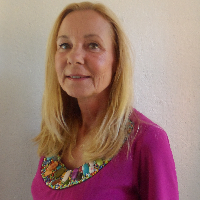
North Carolina · 30 yrs exp
Practical, trauma-informed therapy with warmth
Relationship · Parenting · Anger · Stress, Anxiety · +5 more
Read profile
Texas · 13 yrs exp
Practical, relationship-centered therapy for real life
Stress, Anxiety · Relationship · Trauma and abuse · Anger · +11 more
Read profile
Florida · 20 yrs exp
Experienced counselor focusing on addiction and life changes
Stress, Anxiety · Addictions · Relationship · Self esteem · +16 more
Read profile
Missouri · 23 yrs exp
Compassionate counselor guiding practical change
Stress, Anxiety · Addictions · Trauma and abuse · Career · +10 more
Read profile
Georgia · 10 yrs exp
Compassionate counselor for life transitions
Stress, Anxiety · Grief · Self esteem · Depression · +10 more
Read profile
New York · 13 yrs exp
Calm, practical support for life’s difficult moments
Relationship · Trauma and abuse · Grief · Self esteem · +9 more
Read profile
Mississippi · 16 yrs exp
Relationship-focused counselor for practical change
Stress, Anxiety · Relationship · Family · Parenting · +6 more
Read profile
Oregon · 26 yrs exp
Experienced LCSW for life transitions and trauma
Stress, Anxiety · Trauma and abuse · Grief · Depression · +10 more
Read profile
Georgia · 8 yrs exp
Compassionate, culturally aware counseling
Stress, Anxiety · Relationship · Family · Grief · +11 more
Read profile
Kentucky · 18 yrs exp
Compassionate therapist for identity and relationships
LGBT · Relationship · Family · Self esteem · +14 more
Read profile
Louisiana · 7 yrs exp
Compassionate, practical counseling for life transitions
Stress, Anxiety · Family · Trauma and abuse · Parenting · +15 more
Read profile
Florida · 25 yrs exp
Compassionate counselor for trauma and relationships
Relationship · Trauma and abuse · Grief · Anger · +12 more
Read profile
Oklahoma · 7 yrs exp
Compassionate counselor focused on practical progress
Stress, Anxiety · Relationship · Grief · Depression · +8 more
Read profile
New York · 5 yrs exp
Culturally aware, action-focused counseling
Stress, Anxiety · LGBT · Trauma and abuse · Bipolar · +12 more
Read profile
Missouri · 16 yrs exp
Empathic social worker guiding practical change
Stress, Anxiety · Trauma and abuse · Self esteem · Bipolar · +12 more
Read profile
North Carolina · 10 yrs exp
Faith-informed social worker focused on whole-person healing
Stress, Anxiety · Relationship · Family · Bipolar · +16 more
Read profile
New York · 11 yrs exp
Practical, values‑focused therapy with steady support
Stress, Anxiety · Grief · Self esteem · Relationship · +8 more
Read profile
New York · 35 yrs exp
Experienced LCSW focused on practical care
Stress, Anxiety · Self esteem · Career · ADHD · +10 more
Read profile
Louisiana · 10 yrs exp
Relationship-centered counselor focusing on real-life change
Stress, Anxiety · Relationship · Family · Depression · +12 more
Read profile
Oregon · 32 yrs exp
Calm guidance for lasting emotional change
Stress, Anxiety · Relationship · Trauma and abuse · Grief · +9 more
Read profile
Texas · 10 yrs exp
Practical, compassionate counseling for life transitions
Stress, Anxiety · Relationship · Family · Depression · +14 more
Read profile
Ohio · 18 yrs exp
Warm, practical counseling with coaching elements
Stress, Anxiety · Trauma and abuse · Grief · Anger · +11 more
Read profileWhen you face a major transition - a move, a change in relationship or work, a shift in family roles, or a change in immigration status - your cultural identity can influence what feels at stake and how you cope. Cultural values shape expectations about grief, independence, decision making, and emotional expression. If you come from a family where interdependence is emphasized, a step toward autonomy may create tension with parents or elders. If you are newly arrived in a country or are navigating multiple cultural frames, acculturation can add routine strain as you learn new norms while preserving ones that matter to you.
Discrimination and everyday bias can intensify the stress of life transitions. When you worry about being misunderstood or judged, you may hold back from seeking support, or you may need a different kind of conversation that explicitly recognizes those pressures. Feeling understood about cultural identity - not assumed about it - matters for how you and a therapist frame the goals of your work. You do not need a therapist who shares your background to be listened to carefully, but you may want someone who names culture and discrimination as part of the context for your change.
This page groups profiles that list Coping with Life Changes among their specialties or additional focus areas. Many profiles on this site also list Multicultural concerns among their additional focus areas, which signals an interest in culturally informed work but is not evidence of specialist certification, specific training, or permission to practice. The overlap can be helpful if you want a clinician who explicitly acknowledges cultural identity, migration, acculturation, intergenerational expectations, or discrimination stress as part of life transitions.
Keep in mind that the directory includes professionals from the United States, the United Kingdom, and Australia. In the United States you will often see state licensing mentioned, while in the United Kingdom and Australia you may see references to professional registration or membership. Degrees such as PhD, PsyD, MD, MA, or MSW appear in profiles as academic credentials. A degree describes academic preparation but does not by itself mean the clinician currently holds a license or registration to practice. Profiles are snapshots of what each clinician lists; use them to compare how practitioners describe their focus rather than to assume a scope of practice.
When you contact someone whose profile resonates, prepare concise questions that help you compare approach and fit. You might ask how they typically work with people navigating migration and acculturation, what kinds of intergenerational or family expectations they have helped clients explore, and how they address the emotional impact of discrimination. Ask whether they have experience discussing cultural identity without assuming that identity determines every reaction. A useful phrasing is to request examples of the kinds of conversations they have in early sessions when coping with life changes is the central concern.
It is also practical to ask about the therapeutic approaches they use and how those approaches are adapted for cultural context. For example, you could say - I saw you list cognitive-behavioral approaches and narrative work; how do you tailor those when migration or intergenerational dynamics are central? You can also ask about approaches listed on a profile in cautious terms, as in therapists who list EMDR among their approaches, and request clarification about what that might mean in your case. Remember that a listed approach is an area to discuss, not a guarantee of training or outcome.
If you are considering remote sessions, bring up practical and cultural topics before you begin. Ask how the clinician manages language preferences and interpretation if you prefer to work in a language other than English. Inquire about how they maintain privacy and the steps you can take to ensure your conversations are held with appropriate privacy on both ends. If you will attend from a household where others are present, discuss options for finding a quiet, uninterrupted place to meet. If you prefer in-person meetings, check the listed location on the profile and ask about the setting - some people find it meaningful to know whether sessions are held in a clinic, a community-based practice, or another kind of office space.
Also talk about boundaries around communication, how they handle urgent concerns, and whether they collaborate with other providers if you have medical or legal matters to coordinate. You should not expect profiles to include emergency procedures, so clarify with the clinician what steps they recommend if you need immediate help between sessions. Discussing these practicalities in advance helps you evaluate whether the format and logistics will fit your life changes and cultural needs.
When you are comparing profiles, focus on concrete signals that matter to you. Look at the stated focus areas to see whether Coping with Life Changes appears alongside terms that reflect your context - migration, acculturation, intergenerational issues, or discrimination. Check the languages listed so you can match communication needs, and note whether a clinician mentions experience working with particular communities as part of their practice descriptions.
Pay attention to how credentials are presented. Degrees such as PhD, PsyD, MD, MA, and MSW are academic qualifications that indicate study in a field. Licenses, registrations, or professional memberships indicate the regulatory or membership frameworks in which the clinician practices in different countries. In the United States you will often see license information in a profile; in the United Kingdom and Australia you may see registration or membership noted. A degree does not automatically indicate permission to practice in a jurisdiction, and a jurisdictional license or registration is distinct from academic credentials.
Style and language in a profile also give clues about fit. Some clinicians emphasize structured problem-solving and short-term goals, while others describe exploratory, relational, or culturally reflective work. Read the tone of their descriptions to see whether it aligns with how you like to engage - for example, whether they frame sessions as collaborative, educational, directive, or reflective. You can compare these cues across profiles to narrow the list of clinicians you want to contact. Above all, use profiles as a starting point for direct conversation about your specific circumstances, because a listed specialty does not establish whether a clinician treats children, couples, or families unless they state that scope explicitly.
This directory is designed to help you compare profiles and identify clinicians who explicitly list Coping with Life Changes and multicultural concerns among their focus areas. Use listed location, languages, focus areas, approaches, and credentials to guide your questions, then reach out to clinicians to discuss how they would approach the particular life changes you face. Clear, direct questions about cultural context, migration, intergenerational expectations, and discrimination stress will help you find a match for the kind of conversation and support you are seeking.
Alabama
73 therapists
Alaska
11 therapists
Arizona
62 therapists
Arkansas
24 therapists
Australia
192 therapists
California
483 therapists
Colorado
101 therapists
Connecticut
40 therapists
Delaware
16 therapists
District of Columbia
20 therapists
Florida
595 therapists
Georgia
252 therapists
Hawaii
25 therapists
Idaho
24 therapists
Illinois
197 therapists
Indiana
61 therapists
Iowa
16 therapists
Kansas
27 therapists
Kentucky
54 therapists
Louisiana
110 therapists
Maine
14 therapists
Maryland
83 therapists
Massachusetts
59 therapists
Michigan
171 therapists
Minnesota
52 therapists
Mississippi
53 therapists
Missouri
112 therapists
Montana
23 therapists
Nebraska
23 therapists
Nevada
40 therapists
New Hampshire
13 therapists
New Jersey
126 therapists
New Mexico
18 therapists
New York
277 therapists
North Carolina
242 therapists
North Dakota
5 therapists
Ohio
104 therapists
Oklahoma
84 therapists
Oregon
48 therapists
Pennsylvania
131 therapists
Rhode Island
9 therapists
South Carolina
87 therapists
South Dakota
5 therapists
Tennessee
80 therapists
Texas
640 therapists
United Kingdom
1141 therapists
Utah
42 therapists
Vermont
4 therapists
Virginia
94 therapists
Washington
68 therapists
West Virginia
6 therapists
Wisconsin
67 therapists
Wyoming
9 therapists