
Velma Jones
LCSWNew York · 29 yrs exp
Compassionate therapist who focuses on real-life change
Stress, Anxiety · Relationship · Trauma and abuse · Depression · +10 more
Read profileTherapist listings are provided by BetterHelp. We will earn a commission at no additional cost to you if you use our links to purchase.
This page gathers profiles of professionals who list Communication Problems along with multicultural concerns so you can compare how practitioners describe their focus and experience. Use the filters to review listed location, languages, credentials, and approach, and browse profiles that seem like a fit for your needs.
When you find profiles that interest you, read each practitioner summary and reach out directly to discuss whether their experience and style match what you are looking for.
New York · 29 yrs exp
Compassionate therapist who focuses on real-life change
Stress, Anxiety · Relationship · Trauma and abuse · Depression · +10 more
Read profile
North Carolina · 25 yrs exp
Compassionate therapist for complex life challenges
Stress, Anxiety · Relationship · Family · Grief · +15 more
Read profile
North Carolina · 30 yrs exp
Practical, trauma-informed therapy with warmth
Relationship · Parenting · Anger · Stress, Anxiety · +5 more
Read profile
Colorado · 19 yrs exp
Practical, culturally aware therapy for life challenges
Stress, Anxiety · Relationship · Trauma and abuse · Grief · +12 more
Read profile
Texas · 13 yrs exp
Practical, relationship-centered therapy for real life
Stress, Anxiety · Relationship · Trauma and abuse · Anger · +11 more
Read profile
Florida · 20 yrs exp
Experienced counselor focusing on addiction and life changes
Stress, Anxiety · Addictions · Relationship · Self esteem · +16 more
Read profile
Missouri · 23 yrs exp
Compassionate counselor guiding practical change
Stress, Anxiety · Addictions · Trauma and abuse · Career · +10 more
Read profile
Georgia · 10 yrs exp
Compassionate counselor for life transitions
Stress, Anxiety · Grief · Self esteem · Depression · +10 more
Read profile
New York · 13 yrs exp
Calm, practical support for life’s difficult moments
Relationship · Trauma and abuse · Grief · Self esteem · +9 more
Read profile
Mississippi · 16 yrs exp
Relationship-focused counselor for practical change
Stress, Anxiety · Relationship · Family · Parenting · +6 more
Read profile
Oregon · 26 yrs exp
Experienced LCSW for life transitions and trauma
Stress, Anxiety · Trauma and abuse · Grief · Depression · +10 more
Read profile
Kentucky · 18 yrs exp
Compassionate therapist for identity and relationships
LGBT · Relationship · Family · Self esteem · +14 more
Read profile
Colorado · 15 yrs exp
Direct, goal-focused counselor
Stress, Anxiety · Relationship · Intimacy-related issues · Self esteem · +10 more
Read profile
Florida · 25 yrs exp
Compassionate counselor for trauma and relationships
Relationship · Trauma and abuse · Grief · Anger · +12 more
Read profile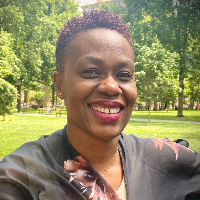
Oklahoma · 7 yrs exp
Compassionate counselor focused on practical progress
Stress, Anxiety · Relationship · Grief · Depression · +8 more
Read profile
New York · 5 yrs exp
Culturally aware, action-focused counseling
Stress, Anxiety · LGBT · Trauma and abuse · Bipolar · +12 more
Read profile
Missouri · 16 yrs exp
Empathic social worker guiding practical change
Stress, Anxiety · Trauma and abuse · Self esteem · Bipolar · +12 more
Read profile
North Carolina · 10 yrs exp
Faith-informed social worker focused on whole-person healing
Stress, Anxiety · Relationship · Family · Bipolar · +16 more
Read profile
New York · 11 yrs exp
Practical, values‑focused therapy with steady support
Stress, Anxiety · Grief · Self esteem · Relationship · +8 more
Read profile
Louisiana · 10 yrs exp
Relationship-centered counselor focusing on real-life change
Stress, Anxiety · Relationship · Family · Depression · +12 more
Read profile
Oregon · 32 yrs exp
Calm guidance for lasting emotional change
Stress, Anxiety · Relationship · Trauma and abuse · Grief · +9 more
Read profile
Texas · 10 yrs exp
Practical, compassionate counseling for life transitions
Stress, Anxiety · Relationship · Family · Depression · +14 more
Read profile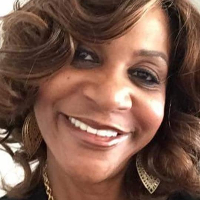
Ohio · 18 yrs exp
Warm, practical counseling with coaching elements
Stress, Anxiety · Trauma and abuse · Grief · Anger · +11 more
Read profile
Illinois · 10 yrs exp
Collaborative counseling focused on multicultural concerns
Stress, Anxiety · LGBT · Relationship · Trauma and abuse · +10 more
Read profileCommunication challenges can appear in many parts of life - at home, at work, in friendships or across generations - and culture often shapes how those challenges feel and how people try to resolve them. You may notice differences in conversational style, expectations about directness, or assumptions about emotional expression that trace back to language background, migration history, or family norms. When you look for a practitioner on this page you are choosing from profiles where Communication Problems are a listed focus and where cultural identity and multicultural concerns are also part of what practitioners report working with. That combination can matter because it helps you find profiles that explicitly name the kinds of cultural dynamics you want to discuss, whether that is negotiating bilingual households, adjusting to new norms after migration, or handling intergenerational tensions tied to heritage and expectations.
Remember that a listed focus does not establish a clinician's personal background or special certification. Profiles indicate what a professional says they work with, and it is helpful to think of those listings as prompts for the conversations you will have when you contact someone. You can expect to explore both the surface problem - say, repeated misunderstandings with a parent - and the cultural context that gives those misunderstandings meaning for you.
You may be navigating a recent move, long-term acculturation, or a family history that spans countries and languages. Those experiences often shape how you communicate and how others interpret your words. Migration can bring changes in role expectations and language dominance that alter who speaks up, who defers, and how conflict is managed. Intergenerational expectations can be especially fraught when older family members keep ways of speaking and younger members adopt different social norms. That gap often looks like a communication breakdown but can reflect different cultural scripts about respect, independence, or decision-making.
Discrimination and feeling misunderstood add another layer. When you have experienced prejudice, you may be more cautious about expressing vulnerability or you may have learned to mask parts of your identity. That history affects not only what you say but how you read responses from others. On this page you will find profiles where practitioners list both Communication Problems and multicultural concerns so you can compare who highlights experience with cultural identity, migration and acculturation, intergenerational dynamics, or the stress of discrimination. Use those profile notes as a starting point to ask specific questions about how a clinician addresses these interconnected themes.
When you review profiles, prepare questions that help you evaluate fit. You might ask: "How do you approach conversations about cultural values and communication styles?" or "Can you describe how you work with clients navigating language shift or intergenerational differences?" You can also ask: "Which approaches do you use when communication patterns are linked to family expectations, and how do you adapt them for different cultural contexts?" and "Do you have experience working with people who have experienced discrimination or identity-related stress?" These questions invite concrete examples rather than broad statements.
It is also useful to ask about session style and goals in practical terms. For example, you might ask: "How do you help people practice new ways of expressing needs or setting boundaries across cultural expectations?" or "Can you explain how you help family members translate values into everyday conversation?" Asking for examples of techniques or conversational practices gives you a clearer sense of whether a practitioner's style will match your preferences. Keep in mind that profiles list approaches and focus areas; asking about how those approaches are applied in culturally informed ways helps reveal a practitioner's working style.
If you are considering online care or meeting in person, there are practical topics to cover before you begin. You will want to understand how the clinician handles language needs - whether they work with interpreters, whether they use materials in multiple languages, or whether they offer sessions in your preferred language. You should also discuss how they plan to address family members who prefer different formats or who have different expectations about formality and disclosure.
Technology and logistics matter too. Ask about the typical session structure and how they adapt conversational practice to an online setting if that is relevant to you. Discuss how they approach safety planning and emergency contacts when you are connecting from a different location than their listed location. If you prefer to role-play difficult conversations, ask whether they include practical exercises and how homework or practice is handled between sessions. These conversations help set mutual expectations and give you a sense of whether the practitioner’s pacing and methods fit your needs.
When you compare profiles, look beyond a single phrase and notice how practitioners describe their focus areas in context. Some profiles emphasize work with migration and acculturation, others foreground intergenerational family dynamics, and some highlight responding to discrimination stress and feeling understood. You can compare how specifically each profile mentions the populations or issues they engage with and whether they describe particular conversational or relational goals.
Pay attention to languages listed on a profile if speaking or being addressed in a particular language matters to you. Language ability can affect nuance and comfort in sessions, and profiles that list multiple languages may note whether a practitioner conducts therapy directly in those languages or works with interpretation. Review educational credentials separately from permission to practice. Degrees such as PhD, PsyD, MD, MA, or MSW describe academic qualifications, while permission to practice in the United States typically comes from a state license, and in the United Kingdom or Australia that permission is described through registration or professional membership. A degree does not by itself indicate current registration or permission to practice, so check profiles and ask about professional standing in the practitioner’s listed location.
Finally, style matters. Some profiles describe a directive approach focused on skill-building for conversations, while others emphasize reflective exploration of identity and meaning. Therapists who list particular techniques or schools of thought among their approaches may or may not use those approaches with every client; use profile language as an invitation to ask how those ideas would be adapted to your cultural context. By comparing focus areas, language capabilities, credentials, and described style you can narrow your options to profiles that invite the conversations you want to have about communication within your cultural world.
Alabama
73 therapists
Alaska
11 therapists
Arizona
62 therapists
Arkansas
24 therapists
Australia
192 therapists
California
483 therapists
Colorado
101 therapists
Connecticut
40 therapists
Delaware
16 therapists
District of Columbia
20 therapists
Florida
595 therapists
Georgia
252 therapists
Hawaii
25 therapists
Idaho
24 therapists
Illinois
197 therapists
Indiana
61 therapists
Iowa
16 therapists
Kansas
27 therapists
Kentucky
54 therapists
Louisiana
110 therapists
Maine
14 therapists
Maryland
83 therapists
Massachusetts
59 therapists
Michigan
171 therapists
Minnesota
52 therapists
Mississippi
53 therapists
Missouri
112 therapists
Montana
23 therapists
Nebraska
23 therapists
Nevada
40 therapists
New Hampshire
13 therapists
New Jersey
126 therapists
New Mexico
18 therapists
New York
277 therapists
North Carolina
242 therapists
North Dakota
5 therapists
Ohio
104 therapists
Oklahoma
84 therapists
Oregon
48 therapists
Pennsylvania
131 therapists
Rhode Island
9 therapists
South Carolina
87 therapists
South Dakota
5 therapists
Tennessee
80 therapists
Texas
640 therapists
United Kingdom
1141 therapists
Utah
42 therapists
Vermont
4 therapists
Virginia
94 therapists
Washington
68 therapists
West Virginia
6 therapists
Wisconsin
67 therapists
Wyoming
9 therapists