
Velma Jones
LCSWNew York · 29 yrs exp
Compassionate therapist who focuses on real-life change
Stress, Anxiety · Relationship · Trauma and abuse · Depression · +10 more
Read profileTherapist listings are provided by BetterHelp. We will earn a commission at no additional cost to you if you use our links to purchase.
Compare profiles of professionals who list Blended Family Issues alongside multicultural concerns to find practitioners whose focus areas, languages and approaches reflect what matters to you. Use listed location, language, credentials and approach details to narrow your search and browse profiles that match your needs.
New York · 29 yrs exp
Compassionate therapist who focuses on real-life change
Stress, Anxiety · Relationship · Trauma and abuse · Depression · +10 more
Read profile
North Carolina · 25 yrs exp
Compassionate therapist for complex life challenges
Stress, Anxiety · Relationship · Family · Grief · +15 more
Read profile
Colorado · 19 yrs exp
Practical, culturally aware therapy for life challenges
Stress, Anxiety · Relationship · Trauma and abuse · Grief · +12 more
Read profile
Florida · 20 yrs exp
Experienced counselor focusing on addiction and life changes
Stress, Anxiety · Addictions · Relationship · Self esteem · +16 more
Read profile
Mississippi · 16 yrs exp
Relationship-focused counselor for practical change
Stress, Anxiety · Relationship · Family · Parenting · +6 more
Read profile
Oregon · 26 yrs exp
Experienced LCSW for life transitions and trauma
Stress, Anxiety · Trauma and abuse · Grief · Depression · +10 more
Read profile
Kentucky · 18 yrs exp
Compassionate therapist for identity and relationships
LGBT · Relationship · Family · Self esteem · +14 more
Read profile
Colorado · 15 yrs exp
Direct, goal-focused counselor
Stress, Anxiety · Relationship · Intimacy-related issues · Self esteem · +10 more
Read profile
Louisiana · 7 yrs exp
Compassionate, practical counseling for life transitions
Stress, Anxiety · Family · Trauma and abuse · Parenting · +15 more
Read profile
Oklahoma · 7 yrs exp
Compassionate counselor focused on practical progress
Stress, Anxiety · Relationship · Grief · Depression · +8 more
Read profile
North Carolina · 10 yrs exp
Faith-informed social worker focused on whole-person healing
Stress, Anxiety · Relationship · Family · Bipolar · +16 more
Read profile
New York · 11 yrs exp
Practical, values‑focused therapy with steady support
Stress, Anxiety · Grief · Self esteem · Relationship · +8 more
Read profile
New York · 35 yrs exp
Experienced LCSW focused on practical care
Stress, Anxiety · Self esteem · Career · ADHD · +10 more
Read profile
Louisiana · 10 yrs exp
Relationship-centered counselor focusing on real-life change
Stress, Anxiety · Relationship · Family · Depression · +12 more
Read profile
Oregon · 32 yrs exp
Calm guidance for lasting emotional change
Stress, Anxiety · Relationship · Trauma and abuse · Grief · +9 more
Read profile
Texas · 10 yrs exp
Practical, compassionate counseling for life transitions
Stress, Anxiety · Relationship · Family · Depression · +14 more
Read profile
Ohio · 18 yrs exp
Warm, practical counseling with coaching elements
Stress, Anxiety · Trauma and abuse · Grief · Anger · +11 more
Read profile
Illinois · 10 yrs exp
Collaborative counseling focused on multicultural concerns
Stress, Anxiety · LGBT · Relationship · Trauma and abuse · +10 more
Read profile
Florida · 10 yrs exp
Compassionate counselor for life transitions
Relationship · Family · Self esteem · Depression · +4 more
Read profile
Florida · 10 yrs exp
Therapist focused on practical change
Stress, Anxiety · Addictions · Family · Grief · +8 more
Read profile
Colorado · 11 yrs exp
Supportive counseling for identity and life change
Stress, Anxiety · LGBT · Trauma and abuse · Anger · +15 more
Read profile
Texas · 21 yrs exp
Practical, culturally aware therapy for life changes
Stress, Anxiety · Relationship · Trauma and abuse · Intimacy-related issues · +15 more
Read profile
Missouri · 14 yrs exp
Compassionate counselor and practical coach
Stress, Anxiety · Self esteem · Career · Depression · +13 more
Read profile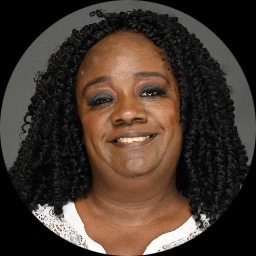
Pennsylvania · 10 yrs exp
Compassionate, culturally aware counseling for change
Stress, Anxiety · Relationship · Grief · Self esteem · +8 more
Read profileWhen you are part of a blended family you may be juggling relationships, roles and routines that were formed in different cultural contexts. You might be navigating a stepparent role that conflicts with intergenerational expectations, or trying to establish household norms while honoring different cultural traditions. Migration and acculturation can add layers of change - you may be adapting to a new country while also trying to preserve cultural practices that matter to you. Those experiences affect daily logistics as well as deeper questions about identity and belonging.
Discrimination stress and experiences of marginalization can change how family members relate to one another, sometimes creating heightened protectiveness or mistrust. You may find that children, extended family or in-laws have different expectations about gender roles, caregiving, or language use, and these differences can cause confusion or hurt. In these conversations you are likely seeking practical ways to share responsibilities and establish respectful boundaries while also feeling understood about your cultural background and personal history.
Therapy conversations in this area often address communication patterns, decision-making about parenting, and how rituals or holidays are observed. If your concerns touch on legal, educational or immigration questions, remember those are separate areas to raise with the appropriate professionals. In most profiles you will see focus areas and approaches listed that can guide your initial conversations with a clinician about whether their experience is a fit for what you need.
It can be helpful to think of cultural identity as one thread in the tapestry of family life rather than as a single cause of conflict. CulturalPractitioners in the directory list concerns such as multicultural identity, migration and acculturation, and intergenerational expectations so you can find someone who mentions these topics among their areas of focus. That listing is an invitation to ask questions about how they work with cultural difference, not a guarantee of shared background or specific training.
For someone who has moved between countries or who is raising children across cultures, blended family decisions may carry more weight. You may worry that different parenting styles come from different cultural values, or that extended family members will react strongly to new family arrangements. Therapists who list multicultural concerns among their focus areas may be more accustomed to exploring how cultural narratives shape roles and expectations, and to helping family members articulate what matters to them in ways that respect multiple heritages.
At the same time, cultural identity intersects with other concerns such as socioeconomic status, faith, language use and experiences of discrimination. When you review profiles, look for language that reflects an interest in these intersections so you can bring a fuller picture of your life to early conversations. That will help you and the clinician decide together whether their focus areas and approach can address the layered aspects of your blended family experience.
When you contact someone whose profile interests you, plan to ask concrete questions that let you compare approach and scope. You might ask which populations they tend to work with and whether they have experience supporting families who are negotiating multiple cultural expectations. Ask how they describe their therapeutic approach in their own words, and whether they often work with the kinds of issues you face such as parenting negotiations, stepfamily boundaries or intergenerational conflict.
It is important to differentiate academic degrees from professional permission to practice. Degrees such as PhD, PsyD, MD, MA and MSW indicate academic study, while a license, registration or membership indicates professional authorization in a particular jurisdiction. In the United States many profiles will list a state license. In the United Kingdom clinicians may list professional registration or membership, and in Australia you may see registration or membership listed. A degree alone does not establish current permission to practice, so ask directly about the clinician's jurisdictional standing if that matters to you.
You can also ask about whether the clinician regularly addresses discrimination stress, migration and acculturation, or language-related concerns. If certain therapeutic approaches are important to you, frame them as options to discuss - for example, ask how therapists who list cognitive behavioral therapy among their approaches or who list family therapy among their approaches typically integrate cultural factors. Remember that a listed approach is an indication to discuss, not proof of a particular credential.
If you plan to meet remotely, there are practical topics worth clarifying before you begin. Ask about how sessions are scheduled across time zones and what the clinician's listed location represents for licensure or professional regulation. Discuss whether they work with clients who live in the same jurisdiction as their listed location or who reside elsewhere, and whether they can practice with clients in your country or region under their current registration or license. These jurisdictional matters differ across the United States, the United Kingdom and Australia, so bring up your location early in the conversation.
Talk about privacy preferences and about establishing boundaries in an online setting. You might discuss whether the clinician has experience helping families set up agreements about who joins sessions, how children are involved, and how to manage interruptions during remote meetings. If language access is important, ask whether the clinician works in your preferred language or uses interpreters. Clarify the clinician's scope of practice so you understand whether they commonly support family-level work or whether you would need referrals for other services, such as legal or educational advice.
Before committing to a path, make sure you and the clinician have a shared understanding of goals for your time together. You do not need to have all the answers up front, but a clear initial conversation about logistics, jurisdictional practice, language and intended focus will help you judge whether a profile aligns with your needs.
When you review profiles on CulturalTherapists.com, compare the ways clinicians describe their focus areas and approaches to see who aligns with your priorities. Look beyond single labels to the specific issues they name - for example whether a profile mentions intergenerational expectations, migration and acculturation, or discrimination stress. Those details help you predict whether a clinician is likely to be comfortable exploring the cultural dimensions of blended family life.
Language information on profiles can be especially important when cultural identity and communication preferences are central to your needs. If you prefer to work in a particular language, focus on clinicians who list that language and ask how they manage interpretation or bilingual sessions if needed. Compare degrees such as PhD, PsyD, MD, MA and MSW separately from any listed license, registration or membership and ask about current standing in the relevant jurisdiction. Finally, read how clinicians describe their therapeutic style - some may emphasize collaborative problem-solving while others focus on narrative work - and consider which tone feels most workable for your family.
Deciding who to contact is a personal process. Use listed location, languages, stated areas of focus and the wording of profiles to narrow your search, and bring specific questions to your initial conversations. That pragmatic approach will help you find a clinician whose profile suggests a good match for the particular cultural and blending challenges you want to explore.
Alabama
73 therapists
Alaska
11 therapists
Arizona
62 therapists
Arkansas
24 therapists
Australia
192 therapists
California
483 therapists
Colorado
101 therapists
Connecticut
40 therapists
Delaware
16 therapists
District of Columbia
20 therapists
Florida
595 therapists
Georgia
252 therapists
Hawaii
25 therapists
Idaho
24 therapists
Illinois
197 therapists
Indiana
61 therapists
Iowa
16 therapists
Kansas
27 therapists
Kentucky
54 therapists
Louisiana
110 therapists
Maine
14 therapists
Maryland
83 therapists
Massachusetts
59 therapists
Michigan
171 therapists
Minnesota
52 therapists
Mississippi
53 therapists
Missouri
112 therapists
Montana
23 therapists
Nebraska
23 therapists
Nevada
40 therapists
New Hampshire
13 therapists
New Jersey
126 therapists
New Mexico
18 therapists
New York
277 therapists
North Carolina
242 therapists
North Dakota
5 therapists
Ohio
104 therapists
Oklahoma
84 therapists
Oregon
48 therapists
Pennsylvania
131 therapists
Rhode Island
9 therapists
South Carolina
87 therapists
South Dakota
5 therapists
Tennessee
80 therapists
Texas
640 therapists
United Kingdom
1141 therapists
Utah
42 therapists
Vermont
4 therapists
Virginia
94 therapists
Washington
68 therapists
West Virginia
6 therapists
Wisconsin
67 therapists
Wyoming
9 therapists