- Client-centered approach
- Practical skill building
- Trauma-informed perspective
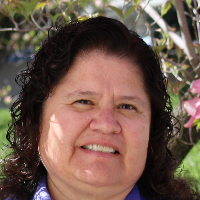
About Marion
Marion Saulque is a licensed mental health counselor (LMHC) practicing in Washington. She brings three years of counseling experience and a background that includes work with people facing addiction, depression, anxiety, bipolar disorder, and post-traumatic stress. Marion describes a down-to-earth approach and aims to meet clients where they are.
She changed careers later in life, moving from automotive mechanics into mental health. That path shaped a practical style that values everyday language and straightforward tools. Marion draws on client-centered methods and mixes in techniques from cognitive behavioral work, dialectical behavior approaches, EMDR, and mindfulness when they fit.
Her early work included supporting women affected by domestic violence and people in substance use treatment. Those roles deepened her understanding of trauma, survival, and recovery. Marion also notes a Native American background and a spiritual view that informs her respect for individual experience and cultural context.
In sessions she aims to be nonjudgmental and approachable, sometimes using light humor to ease difficult conversations. She often introduces two practical skills per week that clients can try between meetings. Marion emphasizes practice - skills tend to help when they are used regularly.
She lists multicultural concerns among her focus areas and tries to be culturally aware in her work. Marion encourages steady commitment to change and offers collaborative support for people working toward a more satisfying life.
Therapeutic approaches and online support
Client-centered therapy focuses on listening and following the person's lead. The therapist creates space for clients to tell their story and helps them find their own goals and solutions. This approach is useful for people who want a collaborative, respectful relationship with a therapist.Cognitive Behavioral Therapy, or CBT, looks at how thoughts, feelings, and behaviors interact. Sessions teach practical skills and small experiments to test new ways of reacting. CBT is often used for anxiety, depression, panic, and patterns that keep problems going.
DBT, or Dialectical Behavior Therapy, teaches emotion regulation and coping skills for intense feelings and relationship stress. It offers concrete strategies for handling strong emotions and reducing impulsive behavior.
Finding the right approach is a team effort. Marion will work with each person to decide which methods fit their needs, goals, and preferences. She combines approaches as needed and checks in to refine the plan together.
If you are considering online therapy, confirm which session formats are currently offered before booking. Many people find online sessions make it easier to fit therapy into a busy life, whether by avoiding travel, having shorter check-ins, or scheduling around work and family demands. Ask about scheduling and format options so you can pick what works best for your routine.
Areas of focus
Frequently asked questions
What kinds of concerns does Marion help with?
She works with stress, anxiety, depression, addictions, bipolar disorder, grief, trauma and related issues such as codependency, domestic violence, and parenting strain.
What is her general counseling style?
Marion uses a client-centered and eclectic style with plain language and occasional humor. She emphasizes practical skills and gives about two techniques per week to try between sessions.
What experience does she bring?
She has three years of professional counseling experience, including work in substance use treatment and supporting women affected by domestic violence.
What are her credentials and where is she located?
She holds the LMHC credential and is licensed in Washington. She practices in Washington state.
Which languages are sessions offered in?
Sessions are offered in English.
Does she work with international clients?
She does not accept international clients at this time.
How are sessions scheduled and what do they cost?
Cost varies with location and therapist availability and sessions use a subscription that can be canceled at any time.
How do I begin working with her?
Select the Start Therapy button, complete a short matching questionnaire, and then schedule according to the therapist's availability.