- Client-centered approach
- Trauma and grief focus
- Practical coping skills
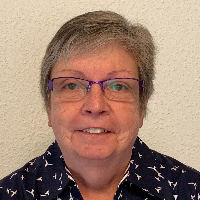
About Jeanette
Jeanette "Jan" Kaschmitter is a Licensed Mental Health Counselor with 25 years of experience in Washington. She draws on practical, evidence-informed methods to help people manage stress, anxiety, depression, grief, and trauma. Jan keeps language straightforward and focuses on what people can do between sessions to feel steadier and more able to cope.
Her background includes work in community mental health, inpatient psychiatry, and a tribal clinic. She spent many years in integrated mental health and substance use settings, and she has led individual, couples, and group sessions for mostly adult clients. Jan says she is eclectic and pulls techniques from several approaches to match each person's needs.
Clinically, she uses ideas from Cognitive Behavioral Therapy, Dialectical Behavior Therapy, Client-Centered Therapy, Mindfulness Therapy, Motivational Interviewing, and Solution-Focused Therapy. She also has focused training in grief and loss, trauma including sexual abuse, and co-occurring disorders. Jan does note she is not credentialed in substance use.
People who come to her work on life transitions, relationship and intimacy concerns, parenting stress, career strain, compassion fatigue, and issues around aging or caregiving. She also helps with anger, self-esteem, codependency, and patterns tied to family of origin.
Jan frames therapy as a collaborative process. She aims to help people find balance and make practical changes that fit everyday life.
How Jan’s Approaches Translate to Online Work
Client-Centered Therapy focuses on listening and responding to what matters most to the person. In sessions the therapist follows the client's lead, reflects what is said, and helps people clarify their goals and values. This approach is useful for people who want a collaborative, respectful space to sort things out.Cognitive Behavioral Therapy (CBT) looks at the links between thoughts, feelings, and actions. Sessions often include practical exercises, simple skill-building, and plans to test new behaviors between meetings. CBT is commonly used for anxiety, depression, and stress-related problems.
Dialectical Behavior Therapy (DBT) brings skills for managing strong emotions and improving relationships. It teaches emotion regulation, distress tolerance, and communication techniques that help during overwhelming moments.
Finding the right approach is part of the work together. The therapist will discuss goals, try methods that fit the person's needs, and adjust the plan based on what helps. This is a collaborative process, so feedback and experimentation guide the choice of techniques.
Session formats are not listed in the biography, so confirm current online options before booking. Online therapy can make it easier to fit sessions into a busy schedule, reduce travel time, allow quicker check-ins, and let people join from a calmer environment. Licensed professionals can adapt CBT, DBT, and client-centered methods to work well over distance while focusing on realistic skills and step-by-step progress.
Areas of focus
Frequently asked questions
What concerns does this therapist help with?
This therapist helps people with stress, anxiety, trauma and abuse, grief, depression, addictions, relationship and intimacy issues, parenting stress, anger, self-esteem, bipolar concerns, and compassion fatigue, among other life problems.
What is the therapy style like?
The approach is practical and person-centered. Jan draws from Cognitive Behavioral Therapy, Dialectical Behavior Therapy, Mindfulness, Motivational Interviewing, and Solution-Focused ideas to tailor sessions to each person.
How much clinical experience does she have?
She has 25 years of experience working in settings such as community mental health, inpatient psychiatric care, and a tribal clinic, including time in integrated mental health and substance use programs.
What are her credentials and where is she based?
She is a Licensed Mental Health Counselor (LMHC) licensed in Washington and practices with that state licensure on record.
Which languages are supported for sessions?
Sessions are offered in English.
Can international clients work with this therapist?
International clients are not currently accepted.
How are fees and payment handled?
Cost varies with location and therapist availability; sessions use a subscription that can be canceled at any time.
How do I begin if I want to work with her?
Start by selecting the Start Therapy button, completing a short matching questionnaire, and then scheduling according to therapist availability.