- Empowerment focused
- Practical skill building
- Trauma and addiction
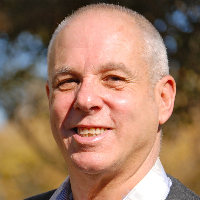
About Gary
Gary Zarchy is a Licensed Professional Counselor (LPC) with 25 years of clinical experience. He believes the answers people need are already inside them, and he guides and advocates while they find their path. His approach aims to empower people so they can meet goals and move on from counseling when they are ready.
He has long experience helping people facing substance use and addiction concerns, anxiety, depression, trauma, and relationship and communication problems. He also supports people dealing with grief, career stress, compassion fatigue, and challenges related to sexual orientation and gender identity. His work includes help with intimacy, self-esteem, anger, and coping with life changes.
Gary earned a master's degree from the University of Phoenix and has taught in that school's counseling department for the past eighteen years, both in person and online. He draws on a mix of therapeutic styles to suit what a person needs at the time.
In sessions he listens closely and uses straightforward methods to set goals and track progress. He describes his role as guide, educator, cheerleader, and advocate while clients build skills and insight.
People who choose him often want practical tools and a collaborative partner. He aims to help clients grow, meet goals, and ultimately step away from counseling when they feel ready to move forward.
How therapeutic approaches translate to online care
Client-Centered Therapy focuses on listening and responding to what a person says, so sessions concentrate on the client's concerns and pace. This approach helps people feel heard and helps the therapist tailor support to their goals.Cognitive Behavioral Therapy (CBT) teaches practical skills for changing unhelpful thoughts and behaviors. CBT is often used for anxiety, depression, and stress by setting clear goals and practicing techniques between meetings.
EMDR, or Eye Movement Desensitization and Reprocessing, is used to work with trauma memories and the distress they cause. It involves structured processing to reduce the emotional impact of those memories.
Finding the right approach is part of the work together. The therapist will talk with each person about their needs, goals, and preferences, and will suggest methods that fit. The choice of approach is collaborative and can change as progress is made.
Practical benefits of online therapy include easier scheduling and the ability to fit sessions into a busy day. Online work can reduce travel time and make it simpler to attend regular meetings. Because this listing does not specify which session formats are offered, confirm the exact options before booking to make sure they fit your routine.
Areas of focus
Frequently asked questions
What concerns does Gary help with?
He works with stress, anxiety, addiction, depression, trauma and relationship and communication problems, among other concerns listed in his specialties.
What is his therapeutic style like?
He uses a client-centered stance and combines practical therapies such as cognitive behavioral and mindfulness approaches to set goals and teach coping skills.
How much clinical experience does he have?
He has 25 years of experience in counseling, including long-term work with substance use and trauma-related issues.
What are his credentials and where is he based?
He holds the LPC credential and practices in Arizona.
In which language are sessions offered?
Sessions are offered in English and international clients are not currently accepted.
What session formats are available?
The original biography does not list specific session formats; please confirm current session options before booking.
How is cost handled for sessions?
Cost varies with location and therapist availability, and sessions use a subscription that can be canceled at any time.
How do I begin working with him?
Select the Start Therapy button, complete a short matching questionnaire, and schedule according to therapist availability.