- 17 years experience
- Multicultural concerns
- Evidence-based techniques
About Michelle
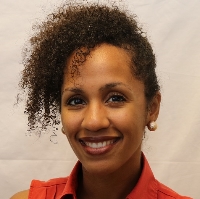
Michelle Owusu is a Licensed Clinical Professional Counselor who focuses on practical, evidence-based care. She brings 17 years of experience to therapy and aims to create a calm place to talk through stress, anxiety, relationship concerns, grief, and other life challenges.
Clients can expect straightforward sessions where concerns are named and workable strategies are offered. Michelle uses techniques drawn from evidence-based therapeutic methods to help people manage mood symptoms, cope with change, and address things like addiction, compassion fatigue, and parenting strain.
Her approach emphasizes trust, empathy, and acceptance. Conversations move at the client’s pace while also including concrete skills to try between sessions. Michelle pays attention to cultural background and sees multicultural concerns as an important part of understanding each person’s story.
She has supported people with a wide range of issues such as bipolar symptoms, trauma and abuse, intimacy and sexual concerns, social anxiety, and challenges related to blended families or non-monogamous relationships. Michelle also helps with career stress, self-esteem, and life-stage transitions.
Sessions are tailored to what a person needs most, whether that is short-term coaching around a specific problem or longer work on attachment and coping. Michelle welcomes clear conversations about goals and adjusts methods to match each person’s situation and preferences.
How evidence-based approaches translate to online care
Michelle uses evidence-based therapeutic techniques that focus on clear skills and real-life changes. One common approach involves teaching coping and emotion-regulation skills to manage anxiety, depression, and mood swings; sessions break these skills into small steps to practice between meetings. Another approach centers on attachment and relationship work, helping people improve communication, address commitment or intimacy concerns, and untangle patterns that cause repeated conflict.Finding the right approach is part of the work. The therapist will collaborate with each person to choose methods that match their goals, needs, and preferences, and adjust the plan as progress is made. This collaborative process helps make sure sessions feel useful and relevant.
If you are considering online therapy, confirm the current session options before booking because formats were not specified in the biography. Online work can make it easier to fit sessions into a busy life, shorten travel time, and allow focused check-ins during a break at work or between errands. Licensed professionals can use these formats to deliver the same practical skill building and problem-focused work they do in person, while keeping scheduling flexible to suit everyday demands.
Areas of focus
Frequently asked questions
What kinds of problems does this therapist help with?
She works with stress, anxiety, depression, relationship and family concerns, addictions, trauma, grief, parenting issues, and related topics listed in her specialties.
How would you describe her therapeutic style?
Her style is evidence-based and practical, combining supportive listening with tools people can use between sessions to manage moods, communication, and coping.
What relevant experience does she bring?
Michelle has 17 years of therapy experience and has worked with a broad range of presenting concerns across cultural backgrounds.
What are her credentials and where is she based?
She holds LCPC and LPC credentials and operates out of Arizona while maintaining licensure details as LCPC in Illinois and LPC in Arizona.
Which languages are supported in sessions?
Sessions are offered in English.
Are international clients accepted?
International clients are not currently accepted.
How does pricing work for sessions?
Cost varies with location and therapist availability; sessions use a subscription that can be canceled at any time.
What do I do to get started with therapy?
Click the Start Therapy button, complete a short matching questionnaire, and then schedule according to the therapist's availability.