- Client-centered care
- Trauma-informed tools
- Relationship focus
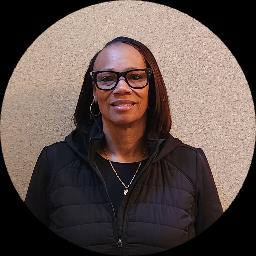
About Betty
Betty Hull-Williams is a Licensed Professional Counselor with 18 years in the field. She works with people facing stress, anxiety, depression, addiction, relationship and intimacy concerns, trauma and grief. She also supports clients dealing with LGBT and gender dysphoria questions and other life changes.
Betty approaches sessions with warmth and plain talk. She listens without judgment and focuses on practical steps people can try between sessions. She aims to help clients build skills for managing mood swings, cravings, or upsetting memories so daily life feels more stable.
Her background includes a Master of Science in Community Counseling from Oklahoma State University and bachelor degrees in Psychology and Criminal Justice. She has worked in many settings, from correctional facilities to drug court programs and methadone clinics, including roles as clinical supervisor and program director. That variety informs how she tailors support to each person.
In clinical work she uses Client-Centered methods alongside cognitive behavioral techniques and trauma-focused tools such as EMDR. She also draws from dialectical behavior therapy and emotionally focused ideas when relationships or strong emotions are central concerns. Sessions focus on clear goals, coping skills, and improving communication.
Betty practices in Oklahoma and conducts sessions in English. Her approach is collaborative - she helps people decide what to try next and adjusts methods as needs change.
How her approaches translate to online care
Client-Centered Therapy focuses on listening and building trust so people feel heard and can set their own goals. Online sessions use that same plain talking approach to help clients name priorities and try small changes between meetings.Cognitive Behavioral Therapy, or CBT, breaks problems into thoughts, feelings, and actions. In remote sessions she and the client work on specific ways to change thinking patterns and practice new behaviors that reduce anxiety or depression.
Eye Movement Desensitization and Reprocessing, EMDR, addresses painful memories and trauma. When appropriate she adapts trauma-focused work to fit the online setting and helps people pace processing to match their comfort and needs.
Finding the right method is part of the work together. She will collaboratively review goals, try approaches, and refine the plan based on how a client responds and what fits their life and preferences.
The main practical benefit of online care is flexibility - it can make scheduling easier and cut travel time so therapy fits into busy days. If you are considering online sessions, confirm the exact formats available when you book so you know whether video, phone, or another option is offered.
Areas of focus
Frequently asked questions
What concerns does she address?
She helps people with stress, anxiety, depression, addictions, trauma and relationship or intimacy issues, among other concerns listed in her specialties.
What is her therapy style like?
She uses a warm, nonjudgmental listening style and emphasizes practical steps and skills people can try between sessions.
What experience does she bring?
She has 18 years of experience working in correctional settings, drug court programs, methadone clinics, and private practice, including supervisory and program director roles.
What are her credentials and location?
She is an LPC - Licensed Professional Counselor - practicing in Oklahoma and holds a Master of Science in Community Counseling from Oklahoma State University.
Which languages are offered and can international clients join?
Sessions are offered in English and she is not accepting international clients at this time.
What session formats are available?
The original biography does not specify session formats, so confirm current session options with the service before booking.
How are sessions billed?
Cost varies with location and therapist availability; sessions use a subscription that can be canceled at any time.
How do I begin working with her?
Click the Start Therapy button, complete a short matching questionnaire, and schedule sessions according to therapist availability.