- Mindfulness supported
- Narrative focused
- Addiction recovery
About Bruce
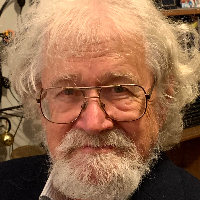
Bruce Barrett is a Licensed Mental Health Counselor who helps people facing stress, anxiety, addiction, trauma, and low self-esteem. He also supports those coping with grief, anger, career changes, and the everyday strain of life transitions. He brings four decades of experience to conversations about mental health and life direction.
Barrett prefers a flexible, person-centered way of working rather than a one-size-fits-all method. He draws on narrative ideas to help clients tell and reshape the stories they live by. Mindfulness practices are offered as practical tools for managing stress and staying present.
His background includes long experience in addiction work and a history as a Certified Alcoholism Counselor in Massachusetts. He also describes himself as a recovering alcoholic, which informs his understanding of long-term recovery and daily sobriety. Barrett has worked in both inpatient and outpatient settings earlier in his career.
He has a particular interest in helping people on the Autism spectrum and those with military-related developmental histories, including adults who grew up in military families or spent childhood years overseas. Barrett notes personal and family connections to these experiences and uses that perspective in therapy.
Barrett holds an MA and practices as an LMHC in Massachusetts. He sees therapy as a collaborative process that combines practical coping skills, story work, and mindfulness to help people move toward clearer choices and greater balance.
Approaches that translate to online work
Jungian-informed narrative work helps people look at recurring life themes and symbolic material that shape their choices; this style is useful for exploring identity, dreams, and long-standing patterns. Mindfulness therapy teaches simple attention and breathing strategies to reduce reactivity and manage stress, and it can be useful for anxiety, cravings, and emotional ups and downs.Finding the right approach is part of the process. The therapist will talk with each person about goals, life circumstances, and preferences, and will tailor methods accordingly. That collaboration means the work can shift toward story work, mindfulness exercises, or trauma-focused steps as needed.
Session logistics should be confirmed before booking since formats were not specified in the original biography. Online therapy can make it easier to fit sessions into a busy day, allow shorter check-ins when time is limited, and remove travel time so people can keep regular appointments. Ask about current session options when you schedule to learn which formats are available.
Areas of focus
Frequently asked questions
What kinds of problems does Bruce help with?
He works with stress, anxiety, addictions, trauma and abuse, self-esteem, depression, relationship strain, grief, anger, career concerns, ADHD, and life changes.
How would you describe his therapy style?
He uses a flexible, person-centered style that combines narrative approaches and mindfulness to help people change unhelpful stories and manage stress.
What is his professional background?
He has 40 years of experience, including work as a Certified Alcoholism Counselor and many years as an associate psychologist before licensure as an LMHC.
What are his credentials and where does he practice?
He holds an MA and is a Licensed Mental Health Counselor (LMHC) practicing in Massachusetts.
Which languages are available for sessions?
Sessions are offered in English and German.
Can he work with people outside the U.S.?
International clients are not currently accepted.
How much do sessions cost?
Cost varies with location and therapist availability; sessions use a subscription that can be canceled at any time.
What is the first step to begin therapy?
Select the Start Therapy button, complete a short matching questionnaire, and then schedule according to therapist availability.