- 36 years experience
- Multicultural concerns
- Practical coaching focus
About Scott
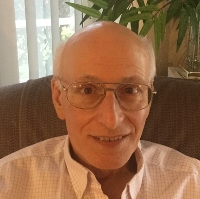
Dr. Scott Anstadt offers practical, straightforward help for people feeling overwhelmed by worry, loss, relationship strain, or life change. He writes plainly and meets people where they are. With 36 years of clinical work, he focuses on everyday problems like anxiety, depression, stress, addiction, grief, sleep and eating concerns, and issues around intimacy and self-esteem.
He favors direct, useful strategies rather than long theory talks. Sessions tend to combine coaching, skill practice, and space to reflect. He often ties therapeutic work to a person’s daily routines and priorities so changes fit real life.
Scott describes his orientation as eclectic and evidence-informed. He draws from cognitive behavioral techniques, acceptance and commitment work, attachment ideas, existential questions, and a client-centered stance. That mix is meant to match different needs rather than follow a single formula.
He has experience teaching clinical courses at the university level and has worked with individuals, groups, and families over his career. He also pays attention to multicultural concerns and how culture shapes choices, identity, and relationships.
Scott offers flexible contacts and coaching-style touches when helpful. He uses a whole-life approach that considers routines, roles, and the practical constraints people face. To begin, readers should confirm current session options and scheduling before booking.
How his approaches shape online therapy
Acceptance and Commitment Therapy, or ACT, helps people notice difficult thoughts and feelings while taking steps toward a more meaningful life. It is useful for anxiety, depression, and coping with painful experiences. Attachment-Based Therapy looks at how early and current relationships shape trust, closeness, and worry about others, which can help with intimacy, grief, and relationship patterns. Client-Centered Therapy emphasizes a respectful, nonjudgmental listening stance where the person’s own goals guide the work.Finding the right approach is part of the work together. He will discuss options and tailor strategies to fit the client’s needs, goals, and day-to-day life. That collaborative plan can mix approaches so sessions feel focused and practical.
The therapist notes that online work offers flexibility for scheduling, session length, and follow-up contacts, which can make it easier to fit therapy into a busy life. Because formats and scheduling can vary, confirm which session options are currently offered before booking. Online sessions can support skill practice, short coaching contacts between sessions, and reflections tied to real-life routines without requiring travel.
Areas of focus
Frequently asked questions
What problems does he commonly address?
He works with stress, anxiety, depression, addictions, grief, relationship and intimacy issues, sleep and eating concerns, and life transition challenges.
What is his therapeutic style like?
He uses a direct, practical style that blends coaching, skills practice, and reflective conversation to make changes usable in daily life.
How long has he practiced clinically?
He has 36 years of clinical and academic experience, including teaching clinical courses at the university level.
What credentials and location are listed?
He holds LCSW and LSCSW credentials and is located in Kansas with licensure noted as AZ LCSW and KS LSCSW.
Which languages are supported for sessions?
Sessions are offered in English and he accepts international clients.
What session formats are available?
The original biography emphasizes online work and flexibility, but current session formats can change; confirm the specific session options before booking.
How does billing and cost work?
Cost varies with location and therapist availability, and sessions use a subscription that can be canceled at any time.
How do I begin working with him?
Select the Start Therapy button, complete a short matching questionnaire, and schedule according to therapist availability.