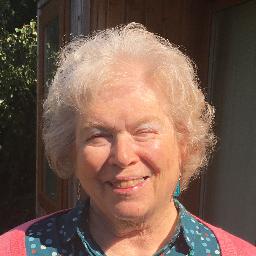
- 40 years experience
- BACP member
- Intercultural couples focus
About Ruth
Dr. Ruth Alice Morgan-Jones brings four decades of experience to her counselling practice. She trained as a social worker and holds a PhD from the London School of Economics. She is a BACP member and has worked extensively with relationship and family issues throughout her career.
Her early work included founding and leading a charity supporting people with special needs and their families. She also trained with Relate and holds a diploma in Family Therapy. These roles shaped her focus on practical relationship support and communication skills.
Ruth uses an eclectic mix of approaches drawn from attachment theory, client-centred ideas, Jungian thinking, narrative work and psychodynamic understanding. Sessions aim to help people feel heard, make sense of their experiences and find realistic steps forward. She pays close attention to how past relationships affect present difficulties.
She has particular interest in intercultural couples and has researched that area; she is also writing a book on the topic. Over the last decade she has delivered diversity training for charities and agencies and brings that awareness into the therapy room.
Ruth often supports people dealing with grief, parenting strain, anxiety, trauma and identity concerns. She also works with issues such as eating and sleeping problems, career stress, bipolar and depression, and ADHD. Her priority is practical help so clients can move on to the next chapter of their lives.
Approaches that guide online conversations
Attachment-Based Therapy focuses on how early relationships shape current patterns. It helps people understand how they relate to others and can be useful for intimacy, trust and communication problems.Client-Centred Therapy places listening and the person's own goals at the centre. The therapist offers empathy and supports clients to find their own solutions, which helps with self esteem, anxiety and life transitions.
Finding the right approach is part of the work together. The therapist will discuss goals, preferences and practical needs and recommend ways of working that suit the person. This is a collaborative process and can change as therapy progresses.
If you are considering online sessions, confirm the specific session formats available before booking. Online work can make it easier to fit therapy into a busy life, reduce travel time and allow shorter check-ins when needed. It can also let people attend from different locations, which helps those living abroad or with complex schedules. Registered or accredited professionals can adapt the same therapeutic approaches used in face-to-face work to an online setting, aiming to keep the focus on clear communication and achievable steps.
Areas of focus
Frequently asked questions
What concerns does she help with?
She supports people with relationship and family difficulties, grief, parenting, anxiety and stress. Additional areas include trauma, LGBT issues, eating and sleeping problems, bipolar and depression.
What is her therapeutic style?
Her style is eclectic and collaborative, mixing attachment-informed work, client-centred listening, Jungian and psychodynamic ideas, and narrative techniques. She aims to help people make sense of their history and find practical next steps.
How long has she been practising?
She has around 40 years of experience counselling and providing clinical leadership in charities and private practice.
What are her credentials and where is she based?
She is a BACP member and works from the United Kingdom.
Which languages are supported for sessions?
Sessions are offered in English, and she accepts international clients.
What session formats are available?
The original biography does not specify session formats; please confirm current session options with the service before booking.
How are session costs handled?
Costs vary with location and therapist availability; sessions use a subscription that can be cancelled at any time.
How do I get started?
Select the Start Therapy button, complete the short matching questionnaire, and schedule according to the therapist's availability.