- Warm and direct
- Strengths focused
- Goal oriented
About Pamela
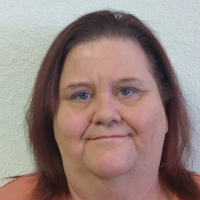
Pamela Rowell is a Licensed Professional Counselor (LPC) in Texas who helps people facing stress, anxiety, depression, grief, relationship strain, substance concerns, ADHD, and life transitions. She writes in a direct and caring way and aims to meet people where they are. Pamela emphasizes respect and sensitivity while working to build confidence and practical skills.
Her counseling tone is warm, empathetic, and straightforward. She avoids labels and prefers to focus on each person’s strengths and goals. Pamela draws on several therapy approaches to tailor conversations and plans to an individual’s needs rather than using one fixed method.
With nine years of experience, Pamela has supported people through trauma and abuse, addiction and recovery, anger and conflict, and chronic health or caregiving stress. She also addresses concerns such as attachment issues, body image, parenting strain, career questions, and compassion fatigue. Her background includes work with both relationship and individual struggles.
Pamela uses methods that emphasize how thoughts, feelings, and connections shape behavior. She includes practical tools for coping, communication strategies, and ways to reduce unhelpful patterns. Sessions aim to leave people with clear steps they can try between meetings.
People who choose Pamela can expect a collaborative process. She works to build a plan with each person and to adjust it as needs change. Those interested in beginning therapy are invited to use the Start Therapy button to complete a short matching questionnaire and schedule sessions based on availability.
How Pamela’s approaches work online
Attachment-Based Therapy looks at how early and current relationships shape how people connect and trust others. Online sessions can be used to notice patterns in relationships and practice new ways of relating. Cognitive Behavioral Therapy (CBT) focuses on the link between thoughts, feelings, and actions and gives concrete exercises to change unhelpful thinking and behavior. CBT is often used for anxiety, depression, and stress. Client-Centered Therapy emphasizes a respectful, nonjudgmental conversation where the person leads the pace and topics and the therapist follows with support and reflection.Finding the right approach is part of the work. Pamela will collaborate with each person to decide which methods fit their goals, needs, and preferences. That plan can be adjusted as progress is made or new concerns come up.
The original profile does not specify which online session formats are offered, so confirm current options before booking. Online sessions can make it easier to fit appointments into a busy life, reduce travel time, and allow shorter check-ins when schedules are tight. Licensed professionals can use the same therapeutic tools online as in-person, and Pamela will discuss how to use exercises and between-session tasks in whatever format you choose.
Areas of focus
Frequently asked questions
What kinds of concerns does Pamela address?
She works with stress, anxiety, depression, grief, trauma and abuse, addictions, relationship and family conflicts, parenting strain, ADHD, bipolar concerns, and coping with life changes.
What is her therapeutic style like?
Her style is warm, empathetic, and direct. She focuses on empowerment, practical skills, and working together on clear goals.
How much clinical experience does she have?
She has nine years of experience working with individuals and on relationship concerns in Texas.
What credentials and region should I know about?
She holds the LPC credential, listed as a Texas LPC, and practices from Texas.
Which languages and international arrangements are supported?
Sessions are offered in English and she accepts international clients.
What session formats are offered?
The original profile does not list specific session formats; please confirm current session options before booking.
How does payment and cost work?
Cost varies with location and therapist availability; sessions use a subscription that can be canceled at any time.
How do I get started with therapy?
Select the Start Therapy button, complete a short matching questionnaire, and schedule sessions according to therapist availability.