- 30 years experience
- Faith-informed approach
- Bilingual English Japanese
About Edward
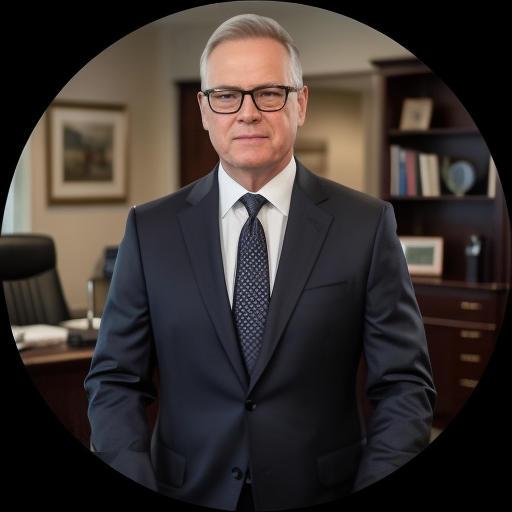
Dr. Edward Varner is a licensed counselor who brings 30 years of experience to his work in Tennessee. He focuses on helping people who are coping with depression, anxiety, relationship problems, trauma, and self-esteem struggles. He uses a direct, steady approach and aims to help clients find practical ways to manage daily life and regain balance.
Dr. Varner blends several therapeutic methods to fit each person’s needs. He draws on Acceptance and Commitment Therapy and Cognitive Behavioral Therapy to help clients notice unhelpful patterns and build new habits. Attachment-based ideas and client-centered listening shape how he addresses relationship and attachment concerns.
He often works with people dealing with grief, intimacy-related issues, bipolar mood challenges, eating and body-image concerns, and parenting stress. He also supports people navigating multicultural experiences, codependency, addiction, dissociation, and family-of-origin problems. Sessions emphasize clear goals, skill-building, and recovering a sense of agency.
Dr. Varner’s style reflects his faith-informed, conservative outlook while keeping the focus on the client’s needs and values. He speaks English and Japanese and accepts international clients. His credential is LPC-MHSP, which is listed as his professional designation.
To begin, people are asked to use the site’s Start Therapy button, complete a short matching questionnaire, and then schedule according to therapist availability. Fees vary by location and may use a subscription model that can be canceled at any time.
How his approaches translate to online work
Acceptance and Commitment Therapy (ACT) helps people clarify what matters to them and practice small actions that reflect those values. It’s useful for anxiety, depression, and coping with life changes because it focuses on taking meaningful steps rather than getting stuck in thoughts. Cognitive Behavioral Therapy (CBT) looks at how thoughts, feelings, and actions connect and teaches concrete skills to change unhelpful patterns. It can help with mood concerns, stress, and some anxiety problems. Attachment-Based Therapy pays attention to relationship patterns and how early bonds affect current connections, which can help when intimacy or communication is a major concern.Finding the right approach is part of the work together. The therapist will collaborate with each person to choose and adjust methods based on goals, values, and what feels most effective. That way sessions stay practical and relevant to daily life.
Session formats are not specified in the biography, so confirm current options before booking. Online therapy can make it easier to fit sessions into a busy schedule, reduce travel time, and allow shorter check-ins when needed. It also lets clients try strategies between meetings and bring real-life situations into conversation so skills can be practiced and refined.
Areas of focus
Frequently asked questions
What kinds of concerns does he help with?
He supports people dealing with depression, anxiety, relationship difficulties, trauma, grief, and self-esteem issues, among other concerns listed in his profile.
What is his general approach in sessions?
Sessions combine active listening with practical strategies. He uses methods that focus on values, behavior changes, and improving communication.
How much clinical experience does he have?
He has three decades of experience working as a counselor in Tennessee and has spent that time addressing a wide range of life challenges.
What credential does he hold and where is he based?
His listed credential is LPC-MHSP and his practice is based in Tennessee.
Which languages can I use in sessions?
Sessions are offered in English and Japanese.
Are international clients accepted?
Yes, he accepts international clients according to the profile.
How are fees handled?
Cost varies with location and therapist availability; sessions use a subscription that can be canceled at any time.
How do I begin working with him?
Use the Start Therapy button, complete a short matching questionnaire, and then schedule according to therapist availability.