- Person-centered listening
- Practical coping skills
- Trauma-informed care
About Chana
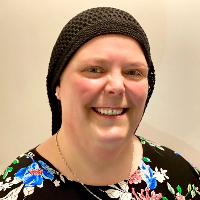
Chana Rivka Hersh is a Licensed Professional Counselor (LPC) based in Texas who helps people manage stress, anxiety, relationship strain, trauma and abuse, grief, depression, and related concerns. She brings 25 years of counseling experience and aims to help people make steady progress toward clearer goals and better day-to-day functioning.
Her style starts with listening. Early sessions focus on understanding the person and building a trusting space without judgment. From there she and the client set specific outcomes and map steps to reach them. Sessions often mix practical skills with deeper exploration of patterns that get in the way.
She draws on clients' strengths and uses tools from cognitive behavioral approaches, attachment-based work, dialectical behavior ideas, and client-centered conversations. That mix is used to address problems such as addiction, eating and sleeping struggles, intimacy issues, anger, low self-esteem, ADHD, and coping with life changes. She also supports people facing caregiver stress, chronic illness, body image concerns, and issues related to aging.
Her background includes long-term work with people in severe and persistent mental health settings and focused practice with survivors of abuse and neglect. That history informs how she balances safety, practical coping skills, and moving toward meaningful life goals.
Chana emphasizes collaboration and clear steps. For someone looking for steady, experienced guidance in Texas, she combines practical techniques with an attentive, person-centered approach.
How her approaches translate to online therapy
Chana commonly uses attachment-based and client-centered approaches alongside cognitive behavioral techniques. Attachment-based work looks at how early relationship patterns shape current feelings and reactions, helping people change how they relate to others and themselves. Client-centered therapy focuses on listening, reflecting, and following the person's pace so they feel seen and understood. Cognitive behavioral techniques teach concrete skills to notice unhelpful thoughts, test them, and try different behaviors to reduce anxiety or improve mood.Choosing the right approach is a collaborative process. She will talk with each person about goals, preferences, and what feels most useful, then tailor methods over time based on progress and feedback. Clients and therapist work together to adjust techniques as needs change.
The biography does not specify which online session formats are offered, so confirm the available options before booking. In general, online work makes it easier to fit therapy into a busy life by cutting commute time, allowing sessions during a lunch break, or reducing the need to travel for routine check-ins. It can also let people practice skills in their daily environment and return to sessions with concrete situations to discuss.
Areas of focus
Frequently asked questions
What concerns can Chana help with?
She works with stress, anxiety, relationship and intimacy issues, trauma and abuse, grief, depression, addictions, LGBT concerns, family and parenting challenges, eating and sleeping problems, anger, self-esteem, ADHD, and related areas.
How would she describe her approach in sessions?
Her work begins with person-centered listening to build trust and then uses a blend of approaches - cognitive tools, attachment-based perspectives, and dialectical behavior ideas - to set goals and practice new skills.
What is her background and experience?
She has 25 years of counseling experience, including work with people in severe and persistent mental health settings and focused practice supporting survivors of abuse and neglect.
What credentials and location are listed?
She is a Licensed Professional Counselor, LPC, licensed in Texas and practices from that state.
In which language are sessions offered and are international clients accepted?
Sessions are offered in English. International clients are not currently accepted.
What session formats are available?
The original biography does not list specific session formats. Confirm current session options before booking to know how sessions are offered.
How are fees and billing handled?
Cost varies with location and therapist availability; sessions use a subscription model that can be canceled at any time.
How do I begin the matching and scheduling process?
Click the Start Therapy button, complete the short matching questionnaire, and schedule sessions according to the therapist's availability.