- Practical steps
- Relationship work
- Client-centered
About Randolph
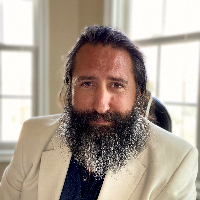
Prof. Randolph (Randy) Beasley is a Licensed Marriage and Family Therapist (LMFT) based in California. He brings five years of clinical experience and a background that includes pastoral work and program leadership. Randy aims to help people get unstuck and make practical changes that fit their daily lives.
He trained in marriage and family therapy after working in ministry and educational roles. That path led him to community clinics, substance use treatment programs, a state hospital, and jail settings where he supported people facing addiction, trauma, and relationship strain.
Randy uses straightforward, goal-focused sessions. He helps people notice patterns in thinking and behavior and then practices new ways of responding. He often combines client-centered listening with Cognitive Behavioral Therapy and solution-focused strategies to build workable tools.
He also draws on Dialectical Behavior Therapy skills, existential ideas about meaning, and the Gottman Method for relationship work when appropriate. Sessions emphasize concrete steps and small experiments that can be tried between meetings.
Randy works with concerns such as stress, anxiety, depression, bipolar disorder, addiction, grief, parenting and relationship issues. He also addresses caregiver stress, body image, communication problems, and career or life transitions. He accepts international clients and conducts sessions in English.
To begin, clients complete a short matching questionnaire and schedule sessions based on his availability. Randy describes therapy as a collaborative journey toward responsibility, growth, and clearer choices.
Approaches that shape online sessions
Client-Centered Therapy focuses on listening closely and helping people name what matters to them; this approach supports people who need a steady, understanding presence while they sort through choices and feelings. Cognitive Behavioral Therapy, or CBT, looks at thoughts and behaviors together and uses short exercises to test new ways of thinking and acting; it is often useful for anxiety, depression, and stress-related problems.Finding the right approach is part of the work. The therapist will collaborate with clients to pick methods that match their goals and daily life. That means trying tools, checking what helps, and adjusting the plan as needs shift.
Practical benefits of online therapy include fitting sessions into a busy week and reducing time spent traveling to appointments. Online work can make it easier to schedule follow-ups, try brief check-ins, and use digital worksheets or between-session exercises. Because the biography does not list specific session formats, confirm the available options before booking so you know what will fit your routine.
Areas of focus
Frequently asked questions
What kinds of concerns does this therapist help with?
He works with many issues including stress, anxiety, depression, bipolar disorder, addiction, grief, relationship and parenting concerns, and coping with life changes.
How would you describe his therapeutic style?
The approach is goal-focused and client-centered, combining listening with practical tools from Cognitive Behavioral Therapy and solution-focused work to change thinking and behavior patterns.
What is his professional background?
He has five years of experience as an LMFT and previously worked in pastoral roles and program leadership, with experience in community clinics and substance use and hospital settings.
What credentials and location are listed for this therapist?
He is an LMFT licensed in Alaska and California and practices from California.
In which languages can sessions be held and are international clients supported?
Sessions are offered in English and he accepts international clients.
Which session formats are available?
Please confirm current session options before booking since the biography does not list specific session formats.
How are sessions paid for and what does cost look like?
Cost varies with location and therapist availability; sessions use a subscription that can be canceled at any time.
How do I start working with this therapist?
Click the Start Therapy button, complete a short matching questionnaire, and schedule sessions according to the therapist's availability.