- Person-centred approach
- Practical coping skills
- Support for trauma
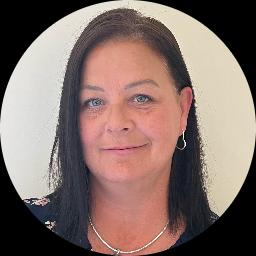
About Michelle
Michelle Rutter is a person-centred counsellor based in the United Kingdom. She works with people facing stress, anxiety, depression, grief and trauma. She also supports those dealing with addiction, ADHD and relationship or intimacy-related concerns.
Her style is warm and non-judgemental. Sessions focus on listening, building trust and helping people name what matters to them. She treats each person as an individual and adapts the work to their needs.
Michelle blends person-centred practice with cognitive behavioural techniques and elements of psychodynamic thinking. That mix helps with practical coping skills and understanding patterns that keep problems repeating. Plans and conversations are tailored to the person, not a fixed protocol.
She brings six years of experience to her work and holds BACP registration, which is recorded as BACP. Michelle aims to create a calm space where people can feel heard and explore next steps at their own pace.
People often come for help with life transitions, sleep or eating difficulties, parenting challenges, or career strain. She also addresses grief, compassion fatigue and long-term health concerns such as chronic pain. The focus is on useful steps clients can try between sessions.
If someone wants to explore working together, Michelle encourages an initial match process to see if her approach feels right and to agree how to move forward.
How therapeutic approaches guide online work
Michelle often uses Acceptance and Commitment Therapy to help people notice unhelpful thoughts without getting caught up in them, and to clarify values that guide small, practical steps. ACT can help when people feel stuck and want direction for everyday choices.She also draws on Cognitive Behavioural Therapy to identify thinking and behaviour patterns that keep anxiety, low mood or sleep problems going. CBT provides straightforward tools to test beliefs and try new actions between sessions.
Finding the right approach is part of the work. The therapist will talk with each person about goals and preferences, then pick or blend methods that fit. That choice is collaborative and can change as needs evolve.
The practical benefits of online work are that therapy can fit around busy schedules, reduce travel time and make it easier to have a shorter check-in when needed. The biography does not list specific session formats, so confirm current options before booking. Registered or accredited professionals can run sessions to help with coping skills, emotional processing and planning next steps without needing to adjust daily routines as much.
Areas of focus
Frequently asked questions
What kinds of problems does Michelle help with?
She supports people with stress, anxiety, depression, grief, trauma, addictions and relationship or intimacy-related issues, among other concerns.
How would you describe her therapeutic style?
Her style is person-centred and compassionate, with an emphasis on listening, respect and tailoring sessions to each person's needs.
What experience does she have?
She has six years of experience working with a wide range of mental health and life concerns, including ADHD, OCD and trauma-related issues.
Where is she based and what credential does she hold?
She is based in the United Kingdom and her listed credential is BACP.
Which languages are sessions offered in?
Sessions are offered in English and international clients are accepted.
What session formats are available?
Session formats were not specified in the biography; please confirm current session options before booking.
How are fees and payment handled?
Cost varies with location and therapist availability; sessions use a subscription that can be cancelled at any time.
How do I begin working with her?
Start by selecting the Start Therapy button, completing a short matching questionnaire, and scheduling according to therapist availability.