- Faith‑integrated options
- Trauma informed approach
- Works in English Yoruba
About Khafayah
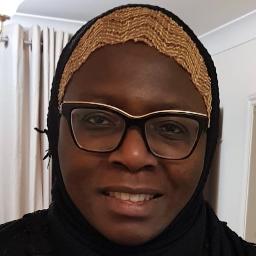
Khafayah Abdulsalam is a Muslim counsellor and psychotherapist who supports people dealing with stress, anxiety, relationship problems, trauma and abuse, grief, depression and addictive patterns. She works with concerns around family and intimacy, parenting, self-esteem and career pressure. Khafayah also helps those facing cultural or religious conflicts and compassion fatigue, and she communicates in English and Yoruba.
Her style is trauma-informed and integrative. She draws on person‑centred counselling and Cognitive Behavioural Therapy, alongside emotionally focused work and Acceptance and Commitment Therapy tools. Clients might use reflective journaling, emotion regulation strategies or values-based exercises in sessions.
Khafayah offers the option to include Islamic counselling elements when asked, such as Qur’anic reflections, du'a, and spiritually grounded discussion, to honour faith as part of the healing process. This is offered alongside conventional therapeutic techniques rather than as a replacement.
She is an Accredited Member of the British Association for Counselling and Psychotherapy, abbreviated as BACP, and an Accredited Registrant of the National Counselling and Psychotherapy Society, NCPS. Khafayah practises from the United Kingdom and has five years of experience in counselling and psychotherapy.
Her work often focuses on attachment and abandonment issues, codependency, communication problems and blended family concerns. People may find her approach calm and respectful, aimed at helping them rebuild a sense of self and practical ways to cope and move forward.
To begin, prospective clients follow the site’s Start Therapy flow, complete a short matching questionnaire, and schedule according to therapist availability.
How Khafayah uses evidence‑based approaches online
Acceptance and Commitment Therapy, or ACT, focuses on clarifying what matters to you and taking small, values‑based steps even when feelings are hard. It helps with anxiety, low mood and getting unstuck from patterns that limit daily life.Attachment‑Based Therapy looks at how early relationships shape current patterns in intimacy and trust. It can be useful for people coping with abandonment, codependency or recurring relationship struggles.
Client‑Centred Therapy gives space for a person to be heard without judgement, helping them find their own solutions through empathic listening and reflection. This can help people rebuild self‑worth and make clearer life choices.
Finding the right mix of these approaches is a collaborative process. The therapist will talk through goals and preferences and adapt methods so they fit each person’s needs. Clients are encouraged to give feedback and try different techniques until something feels helpful.
Online work can make it easier to fit therapy into a busy life, for example by cutting travel time or allowing shorter check‑ins during work breaks. Confirm current session options before booking so you know what formats are available. Registered and accredited professionals can use online sessions to teach emotion regulation skills, run exposure exercises, guide journaling, and practise new communication patterns in real time.
Areas of focus
Frequently asked questions
What kinds of problems does this counsellor help with?
She supports people with stress, anxiety, relationships, trauma and abuse, grief, depression, addictions, family and intimacy issues, parenting strain, self‑esteem and career concerns.
How would you describe the therapeutic style?
The approach is trauma‑informed and integrative, using person‑centred listening, CBT techniques, emotionally focused methods and ACT ideas to help with feelings and behaviour.
What is her professional background?
Khafayah has five years of experience as a counsellor and psychotherapist and offers an approach shaped by clinical practice and supervision.
Which credentials and region are listed?
She is an Accredited Member of the British Association for Counselling and Psychotherapy (BACP) and an Accredited Registrant of the National Counselling and Psychotherapy Society (NCPS), practising in the United Kingdom.
Which languages are supported for sessions?
Sessions are offered in English and Yoruba.
Can people outside the UK work with her?
International clients are accepted; check scheduling and time differences when arranging appointments.
How are fees and payments handled?
Cost varies with location and therapist availability; sessions use a subscription model that can be cancelled at any time.
What do I need to do to start working together?
Press the Start Therapy button, complete a short matching questionnaire, and then schedule sessions according to the therapist's availability.