- Ten years experience
- Focus on multicultural concerns
- Practical skill building
About Cheryl
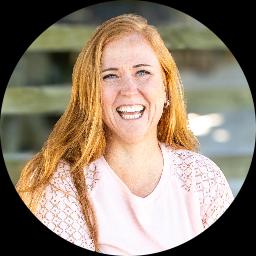
Cheryl Hann is a Licensed Professional Counselor, LPC, and a Licensed Clinical Mental Health Counselor, LCMHC, practicing in North Carolina. She has spent over ten years working in the mental health field and focuses on practical support for stress, anxiety, low self-esteem, and depression. Cheryl aims to make first steps feel achievable for people who are ready for change.
Her approach centers on straightforward conversation and collaborative planning. She tailors discussions and goals to each person’s needs, helping them build confidence and motivation. Cheryl brings experience with career-related stress and life transitions, and she helps people develop skills to cope with everyday pressures.
Cheryl also has experience related to military contexts and veteran services, and she has studied Hispanic and Chicano cultural topics. She reports university-level Spanish testing and education in religious trauma and recovery after involvement in high-demand religions. These perspectives inform her work with multicultural concerns and identity-related issues.
In sessions she focuses on what the person wants to change and practical ways to get there. That can include addressing relationships, intimacy-related issues, grief, addictive patterns, body image and eating concerns, or attentional challenges like ADHD. Cheryl emphasizes respect, sensitivity, and compassion while supporting people through difficult moments.
She encourages people to take manageable steps toward a fuller life. Cheryl offers coaching-style help alongside therapy techniques to improve sleeping, communication, and coping during caregiver stress or other demanding circumstances.
Therapeutic approaches applied to online care
Client-Centered Therapy focuses on listening and responding to what matters most to the person. The therapist reflects concerns, follows the client's priorities, and helps the person set concrete goals. Cognitive Behavioral Therapy, or CBT, looks at the links between thoughts, feelings, and behaviors and teaches skills to change unhelpful patterns; it is often used for anxiety, depression, and stress-related problems. Dialectical Behavior Therapy, DBT, emphasizes practical skills for managing intense emotions, improving interpersonal effectiveness, and tolerating distress during difficult moments.Choosing the right approach happens together. Cheryl will work collaboratively to figure out which methods fit a person’s needs and preferences. That decision can change over time as goals shift and progress is made, and the therapist will explain options and adjust the plan based on what the client finds most helpful.
Confirm current session options before booking so you know how therapy will be delivered. Online work can make it easier to fit appointments into a busy schedule, reduce time spent commuting, and allow shorter check-ins when needed. It can also let people join from different locations, which is useful for international clients, though exact formats and scheduling will be clarified during the matching and booking process.
Areas of focus
Frequently asked questions
What kinds of concerns can Cheryl address?
She helps people with stress, anxiety, depression, self-esteem, career difficulties, coping with life changes, addictions, LGBT concerns, relationship and family issues, trauma and abuse, grief, intimacy-related issues, eating and sleeping problems, coaching needs, compassion fatigue, and ADHD.
What is Cheryl's therapeutic style?
She uses client-centered methods and mixes practical approaches such as Cognitive Behavioral Therapy and Dialectical Behavior Therapy when helpful. Motivational Interviewing and Narrative Therapy also inform her work to support motivation and personal meaning.
What experience does she bring to sessions?
Cheryl has over ten years of professional experience in the mental health field, including work with people facing career stress, life transitions, and challenges that affect daily functioning.
What credentials and region apply to her practice?
She holds LPC and LCMHC credentials and practices in North Carolina as noted by SC LPC and NC LCMHC credentials listed in her profile.
Which languages are supported for therapy?
Sessions are offered in English.
Can she work with clients outside the United States?
International clients are accepted according to the profile, though practical details and scheduling should be confirmed before booking.
How are fees and session costs handled?
Cost varies with location and therapist availability; sessions use a subscription that can be canceled at any time. Exact pricing should be checked when arranging sessions.
How do I get started with therapy?
Begin by selecting the Start Therapy button, completing a short matching questionnaire, and then scheduling sessions according to the therapist's availability.