- Anxiety and depression
- Multicultural concerns
- Relationship communication
About Po
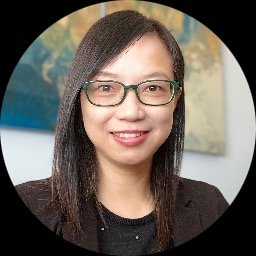
Po Yee Fung is a licensed therapist who uses practical, person-centered methods to help people manage anxiety, depression, relationship strain, and trauma. She combines clear skills training with a warm, culturally aware way of working. Po Yee speaks English, Mandarin, and Cantonese and practices in California as an LMHC and LPCC with ten years of experience.
Her sessions focus on building self-compassion and better communication. She helps people learn tools for handling stress, managing strong emotions, and improving self-esteem. The work often centers on understanding patterns that come from family history, attachment wounds, or experiences of loss and abandonment.
Po Yee draws on approaches such as Acceptance and Commitment Therapy, Cognitive Behavioral Therapy, and Emotionally-Focused methods to tailor the work to each person. She also uses elements from Dialectical Behavior Therapy and client-centered care when helpful. These methods are applied in straightforward, step-by-step ways so clients can practice skills between sessions.
Her background includes a focus on multicultural concerns and offering guidance that respects cultural and faith-based values. This lens is woven into discussions about identity, belonging, and life purpose. The aim is to help people build resilience and make choices that fit their values.
People usually begin by identifying a few clear goals, learning coping skills, and then practicing new ways of relating to themselves and others. Po Yee emphasizes small, steady changes that add up to longer-term improvements in mood and relationships.
How therapeutic approaches translate to online work
Acceptance and Commitment Therapy (ACT) focuses on clarifying personal values and taking small actions that move a person toward those values while learning to accept difficult thoughts and feelings. It can help with anxiety, depression, and a sense of aimlessness. Cognitive Behavioral Therapy (CBT) looks at how thoughts, feelings, and behaviors interact and teaches specific techniques to reduce worry, challenge unhelpful thoughts, and build healthier habits. Emotionally-Focused Therapy (EFT) concentrates on identifying and shifting emotional responses that shape close relationships and personal patterns.Choosing the right approach is a collaborative process. The therapist will talk with the person about goals, preferences, and what has or hasn't helped before. Together they decide which methods to prioritize and adjust the plan as progress is made.
Confirm available session options before booking, as formats are set by the therapist's practice. Online work can make it easier to fit therapy into a busy life by reducing travel time, allowing shorter check-in meetings when needed, and letting people use quieter surroundings or lower bandwidth options. These practical benefits often help people maintain consistency and apply skills between sessions.
Areas of focus
Frequently asked questions
What kinds of problems does Po Yee address?
She works with stress, anxiety, depression, relationship difficulties, trauma and self-esteem concerns. Additional areas include attachment issues, codependency, loneliness, and life purpose questions.
What is Po Yee's therapeutic style?
The approach blends acceptance and commitment ideas with client-centered care and practical cognitive-behavioral tools. Sessions focus on skill-building, values work, and improving communication.
How long has she practiced?
Po Yee has ten years of clinical experience working with a range of emotional and relationship concerns.
Where is she licensed and located?
She holds LMHC and LPCC credentials and practices in California. The credentials appear as NY LMHC and CA LPCC in her documentation.
Which languages are offered in sessions?
Sessions are offered in English, Mandarin, and Cantonese.
Can international clients work with her?
She does not accept international clients at this time.
How are fees and payment handled?
Cost varies with location and therapist arrangements; sessions use a subscription model that can be canceled at any time.
What are the first steps to begin?
Click the Start Therapy button, complete a short matching questionnaire, and then schedule sessions based on therapist availability.